Follow Me On Social Media!

3-Ingredient Salmon Patties (Crispy, Golden, 15 Minutes)
These 3-ingredient salmon patties come together in 15 minutes with canned salmon, eggs, and Parmesan. Crispy edges, tender middles, no breadcrumbs needed.

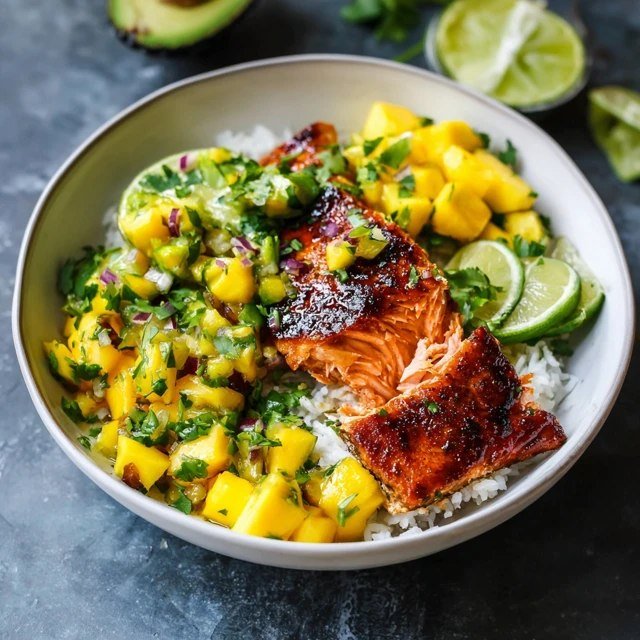
Some nights I just need dinner to happen, and these 3-ingredient salmon patties are the recipe I come back to again and again when the fridge looks bare and the clock is not on my side. A can of salmon, two eggs, and a handful of Parmesan turn into golden, crispy little patties in about fifteen minutes flat, and they honestly taste like I spent way more effort than I actually did.
Fun fact: canned salmon is often more sustainable and nutrient-dense than the fresh fillets at the counter, because it’s typically wild-caught Alaskan salmon packed shortly after being caught, and the soft edible bones inside are a natural source of calcium.
Why this recipe works
- Just three pantry-friendly ingredients you probably already have on hand.
- Naturally low-carb and gluten-free, with no breadcrumbs or flour anywhere in sight.
- The Parmesan does double duty, adding savory flavor and creating those irresistible lacy, crispy edges.
- High in protein and easy on the grocery budget, which makes it a weekly rotation win.
- Meal-prep friendly and just as good reheated the next day for lunch.
Ingredients
- 1 can (14–15 ounces) salmon, drained really well
- 2 large eggs
- ½ cup finely grated Parmesan cheese
- 1–2 tablespoons olive oil or avocado oil, for cooking
- Optional: ½ teaspoon garlic powder, ½ teaspoon onion powder, 1 tablespoon chopped fresh parsley, 1 tablespoon sliced green onion, ½ teaspoon dried dill, ¼ teaspoon paprika, freshly cracked black pepper, a little lemon zest, or a squeeze of fresh lemon juice
Instructions
Step 1: Drain the salmon really well
Pop open the can and press out as much liquid as you possibly can, either with the lid or a small fine-mesh strainer. This is the single most important step, because any extra moisture will loosen the mixture and make the patties want to crumble in the pan. If you’d rather not eat the soft little bones or the bits of skin, feel free to pick them out, though they are perfectly edible and full of calcium.
Step 2: Mix everything in one bowl
Tip the drained salmon into a medium bowl and add the eggs and Parmesan. Use a fork to flake the salmon and stir until the mixture looks evenly combined. You want it to feel moist but sturdy enough to hold together when you squeeze a scoop in your palm. This is also the moment to fold in any of the optional seasonings if you feel like dressing things up.
Step 3: Shape into patties
Divide the mixture into 6 to 8 even portions and gently press each one into a compact patty about half an inch thick. Smooth the edges with your fingers so nothing is hanging loose. If the mixture feels a little soft or slippery, tuck the shaped patties in the fridge for 10 to 15 minutes to firm up before they hit the skillet.
Step 4: Heat the skillet
Set a large nonstick or cast-iron skillet over medium heat and add your oil. Give it a minute to shimmer, and test the temperature by touching a tiny corner of a patty to the pan; it should sizzle right away. A properly preheated pan is what gives you that beautiful golden crust instead of a soggy exterior.
Step 5: Pan-fry until golden
Lay the patties into the skillet with a little space between each one so you can flip them easily. Cook undisturbed for 3 to 4 minutes on the first side, then carefully turn them with a wide spatula and cook for another 3 to 4 minutes on the second side. Resist the urge to poke or flip early; that first crust is what holds everything together.
Step 6: Serve them hot
Transfer the patties to a plate and serve right away while the edges are still crackly. I love them with lemon wedges, a spoonful of lemon-dill yogurt sauce, and a big pile of greens or roasted veggies on the side. They taste their absolute best when they’re fresh out of the pan.
Nutrition information
- Calories: 165 per patty
- Protein: 18 g
- Fat: 10 g
- Carbohydrates: 1 g
- Fiber: 0 g
- Sugar: 0 g
- Sodium: 380 mg
Pro tips for the best 3-ingredient salmon patties
- Drain, drain, drain the salmon. Extra liquid is the number one reason patties fall apart in the pan.
- Keep the patties on the thicker side, around half an inch, so the outside gets crisp while the inside stays tender.
- Let the first side develop a real golden crust before flipping; a nudge test with the spatula will tell you it’s ready when it releases cleanly.
- Use finely grated Parmesan (the powdery kind), not the shredded strands, so it melts smoothly into the mix.
- Chill the shaped patties for 10 to 15 minutes if the mixture ever feels too soft to handle.
Frequently asked questions
Can I use fresh salmon instead of canned?
Absolutely. Cook a salmon fillet first (baked or pan-seared works great), let it cool slightly, then flake it into small pieces and remove any skin or bones you don’t want. Because fresh salmon holds more moisture than canned, blot it with a paper towel before mixing so the patties still hold together nicely.
How do I store and reheat leftovers?
Store cooled patties in an airtight container in the fridge for up to 3 days. Reheat them in a skillet over medium heat for a couple of minutes per side to bring back the crispy edges, or warm them in an air fryer at 350°F for about 4 minutes. Microwaving works in a pinch but softens the crust.
Can I freeze these salmon patties?
Yes. Freeze cooked patties in a single layer on a tray, then transfer to a freezer bag for up to 2 months. Reheat straight from frozen in a skillet or a 375°F oven until warmed through and crisp on the outside.
What if my mixture is too wet or too dry?
If it feels too wet to shape, add a tablespoon of extra Parmesan (or a spoonful of almond flour for a grain-free binder) and chill briefly. If it feels too dry or crumbly, whisk in one more egg yolk to bring it back together.
Are these salmon patties keto and gluten-free?
Yes, they’re naturally both. With no breadcrumbs or flour, they’re around 1 gram of carbs per patty, making them a great fit for keto, low-carb, and gluten-free eaters. Just double-check that your Parmesan is labeled gluten-free if you’re strictly sensitive.