
Follow Me On Social Media!

Classic Beef Pot Roast with Root Vegetables (Cozy Sunday Dinner, 3-4 Hours)
Make a classic beef pot roast with root vegetables that turns out fork-tender every time. Simple Dutch oven or slow cooker method the whole family loves.

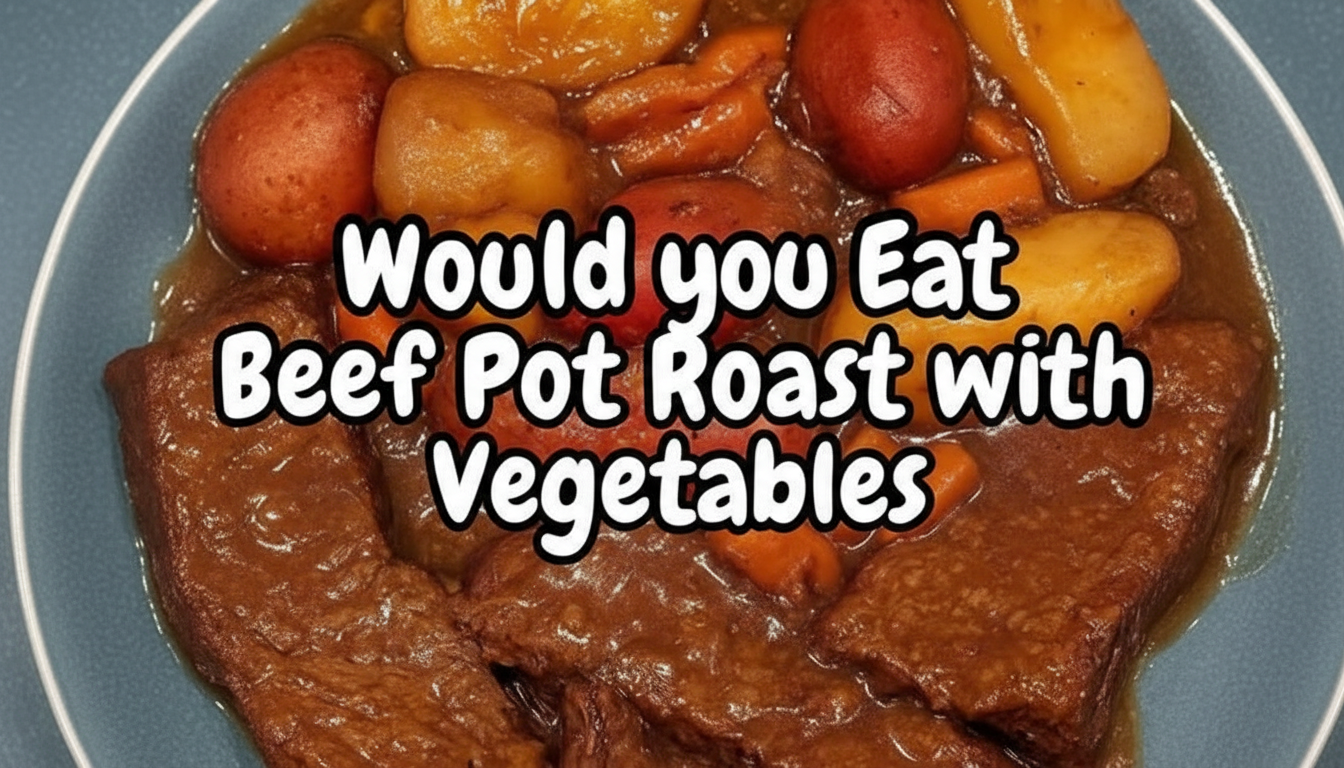
There is something almost magical about a classic beef pot roast with root vegetables bubbling away in my kitchen on a slow weekend afternoon. The scent alone pulls everyone toward the stove, and by the time I lift the lid, the beef is falling apart and the potatoes have soaked up every drop of that rich, wine-kissed gravy.
Fun fact: pot roast as we know it was actually inspired by French braising techniques, but it became a true American home-cooking staple in the early 1900s, when tougher, more affordable cuts of beef needed a long, gentle cook to become dinner-table worthy.
Why this recipe works
- A well-marbled chuck roast slowly melts into tender, shreddable meat because the connective tissue breaks down over hours of low, moist heat.
- Searing the beef first builds a deep, caramelized crust that flavors the entire pot, not just the meat.
- Red wine, tomatoes, and Worcestershire create a savory, slightly tangy braising liquid that turns into an unforgettable gravy.
- Adding the vegetables later keeps the potatoes and carrots perfectly cooked instead of mushy.
- It works beautifully in either a Dutch oven or a slow cooker, so you can match the method to your schedule.
Ingredients
- 3 to 4-pound beef chuck roast (or shoulder roast)
- 2 tablespoons olive oil or vegetable oil
- 1 large yellow onion, cut into quarters
- 3 celery stalks, chopped
- 3 garlic cloves, minced
- 2 cups beef broth
- 1 cup dry red wine (or substitute an extra cup of beef broth)
- 1 can (14.5 ounces) diced tomatoes, undrained
- 1 tablespoon Worcestershire sauce
- 1 teaspoon dried thyme
- 1 bay leaf
- Salt and freshly ground black pepper, to taste
- 1.5 pounds small red or russet potatoes, halved or quartered
- 1 pound carrots, cut into 1-inch chunks
Instructions
Step 1: Season and sear the beef
Pat the chuck roast dry with paper towels so it browns instead of steams. Season generously all over with salt and pepper. Warm the oil in a heavy Dutch oven over medium-high heat, then lower the roast into the pot and sear for about 3 to 4 minutes per side, until every side is a deep golden brown. Move the roast to a plate.
Step 2: Soften the aromatics
Turn the heat down to medium. Add the quartered onion and chopped celery to the drippings and cook, stirring now and then, for about 5 minutes until they start to soften and pick up color. Stir in the minced garlic and let it cook for just 1 minute more, watching so it does not burn.
Step 3: Build the braising liquid
Pour in the beef broth and red wine, using a wooden spoon to loosen the flavorful browned bits on the bottom of the pot. Stir in the diced tomatoes with their juices, the Worcestershire, thyme, and the bay leaf. Nestle the seared roast back into the liquid and bring everything to a gentle simmer.
Step 4: Slow braise the beef
Cover the pot tightly with the lid and slide it into an oven preheated to 325°F (163°C). You can also keep it on the stovetop over very low heat if you prefer, as long as it stays at a barely-there simmer. Let it cook, undisturbed, for about 2 hours.
Step 5: Add the root vegetables
Carefully lift the lid and tuck the potatoes and carrots around the roast, pushing them partly into the liquid. Cover the pot again and continue cooking for another 1 to 1.5 hours, until the beef pulls apart easily with a fork and the vegetables are completely tender.
Step 6: Rest, slice, and serve
Remove the pot from the oven and fish out the bay leaf. Let the roast rest for a few minutes, then slice it or shred it into big, juicy chunks with two forks. Pile the beef and vegetables on a warm platter and spoon plenty of the tomato-rich pan juices over everything.
Nutrition information
- Calories: 485 per serving
- Protein: 42 g
- Carbohydrates: 28 g
- Fat: 22 g
- Fiber: 4 g
- Sodium: 620 mg
Pro tips for the best classic beef pot roast with root vegetables
- Do not skip the sear. Those crusty brown edges are pure flavor and give the finished gravy its rich, roasted taste.
- Keep the simmer very low. A furious boil actually toughens the beef, while a slow, gentle bubble is what turns it silky.
- Cut the vegetables into chunky pieces. If they are too small, they will fall apart before the meat is finished cooking.
- If your gravy feels thin at the end, remove the roast and vegetables, then reduce the liquid on the stovetop for 5 to 10 minutes.
- Leftovers taste even better the next day, once the flavors have had a chance to mingle in the fridge overnight.
Frequently asked questions
Can I make this classic beef pot roast in a slow cooker?
Absolutely. Sear the beef and sauté the aromatics on the stovetop first, then transfer everything to the slow cooker along with the remaining ingredients and the vegetables. Cover and cook on low for about 8 hours.
What is the best cut of beef for pot roast?
Chuck roast is my go-to because it has just the right amount of marbling and connective tissue. Shoulder roast also works beautifully. Both cuts become meltingly tender after a long, slow braise.
Can I leave out the red wine?
Yes. If you would rather cook without alcohol, simply swap the wine for an extra cup of beef broth. A splash of balsamic vinegar can add a similar depth if you have it on hand.
Why is my pot roast tough?
Tough pot roast usually means it needs more time, not less. Chuck roast has to cook long enough for the collagen to break down. Keep the heat low, cover the pot, and let it braise until a fork slides in easily.
How do I store and reheat leftovers?
Store the beef, vegetables, and gravy together in an airtight container in the fridge for up to 4 days. Reheat gently on the stovetop or in a 300°F oven, adding a splash of broth if the sauce has thickened too much.