Follow Me On Social Media!

Gluten-Free Potato Flatbread (Soft, Skillet-Cooked, 25 Minutes)
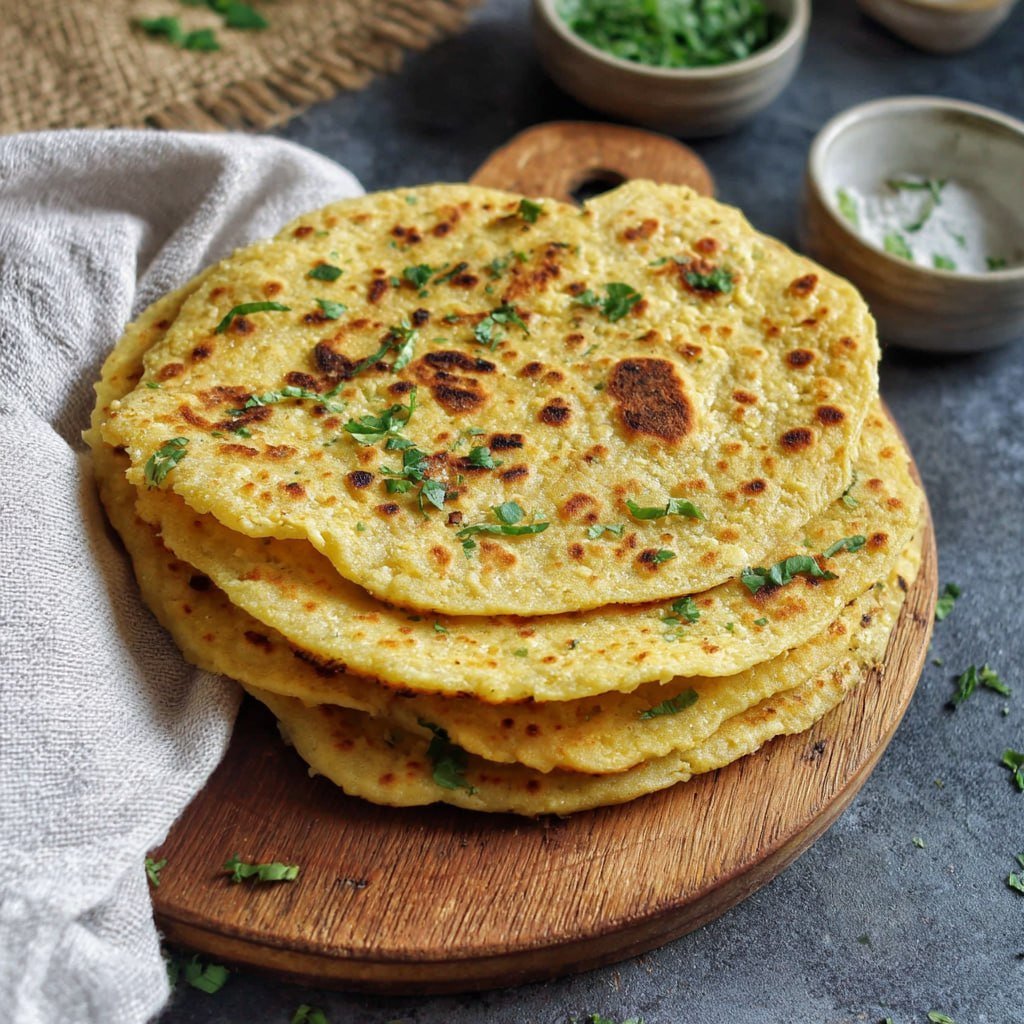
This gluten-free potato flatbread is soft, pliable, and skillet-cooked in minutes. No yeast, no oven, no kneading — just 5 pantry-simple ingredients.

If you’ve been chasing a truly bendy, tear-free flatbread that just happens to be wheat-free, this gluten-free potato flatbread is the one I make on repeat in my kitchen. It’s soft, blistered, and folds like a dream around anything from saucy curries to grilled veggies.
Fun fact: mashed potato has been used as a flatbread base for centuries in Ireland and Scandinavia — think Irish boxty and Norwegian lefse. The starch in cooked potato behaves a lot like gluten, giving these breads their unmistakable stretchy chew without a single grain of wheat.
Why this recipe works
- Cold mashed potatoes act as a natural binder, so the dough stays supple and never cracks when you roll it.
- No yeast, no rising time, and no oven — a single hot skillet does all the heavy lifting in under 10 minutes.
- The short ingredient list is forgiving, budget-friendly, and easy to riff on with herbs, cheese, or spices.
- They stay flexible for days, which makes them perfect for wraps, dippers, and lunchbox roll-ups.
Ingredients
- 2 cups cold mashed potatoes
- 1 cup gluten-free all-purpose flour
- 1/2 teaspoon fine sea salt
- 1/2 teaspoon garlic powder
- 1 tablespoon avocado oil or olive oil
- 2–3 tablespoons cold water, only if needed
Instructions
Step 1: Start with chilled mashed potatoes
Pull your mashed potatoes straight from the fridge. Cold potatoes hold their shape and give you a dough you can actually work with — warm mash turns everything gluey.
Step 2: Bring the dry ingredients together
Add the gluten-free flour, sea salt, and garlic powder right on top of the potatoes. Use your hands to gently press and fold until a shaggy dough starts to come together.
Step 3: Add the oil and finish the dough
Drizzle in the oil and knead for a minute or two, just until smooth. If it feels dry or cracked at the edges, splash in cold water one tablespoon at a time until it feels soft but not sticky.
Step 4: Divide and roll
Portion the dough into 6 to 8 even balls. On a lightly floured surface, roll each ball out to roughly 1/8 inch thick. Keep the flour dusting minimal — too much and you’ll lose that lovely flexibility.
Step 5: Blister in a hot skillet
Set a dry cast iron pan over medium-high heat and let it get really hot before the first flatbread hits the surface. Cook each round for 2 to 3 minutes per side, until you see beautiful golden and charred spots blooming across the top.
Step 6: Wrap them warm
As each flatbread comes off the pan, stack it inside a clean kitchen towel and fold the towel over. The trapped steam softens the breads and keeps them fold-friendly all the way to the table.
Nutrition information
- Calories: 145 per flatbread
- Carbohydrates: 27 g
- Protein: 3 g
- Fat: 3 g
- Fiber: 2 g
- Sodium: 180 mg
Pro tips for the best gluten-free potato flatbread
- Let your skillet preheat longer than you think — a properly ripping-hot pan is what gives you those signature blistered spots without drying the bread out.
- Refrigerate your mashed potatoes overnight if you can. Really cold, set mash binds so much better than freshly whipped potatoes.
- Resist the urge to over-flour your work surface. Extra flour toughens the dough and takes away the bendability you’re after.
- Stack and wrap the flatbreads the moment they leave the pan — they gently steam each other, which is the secret to that pillowy, foldable finish.
- For a restaurant-style touch, brush each hot flatbread with garlic-infused butter or a swipe of olive oil and flaky salt.
Frequently asked questions
Why did my flatbreads turn out stiff instead of flexible?
Nine times out of ten, it’s either too much flour worked into the dough or forgetting to wrap them hot. Use only enough flour to keep things from sticking, and always tuck the finished breads into a towel right away.
Can I prep the dough ahead of time?
Absolutely. Mix the dough, wrap it tightly in plastic, and stash it in the fridge for up to 24 hours. You can also cook the whole batch and reheat individual flatbreads in a dry skillet for about 30 seconds a side.
What can I use if I don’t have mashed potatoes?
Mashed sweet potato or a well-drained cauliflower mash both work beautifully as swaps. Expect a slightly different flavor and a touch more color, but the texture stays lovely and pliable.
Are these flatbreads keto-friendly?
No, they’re not — both the potatoes and the gluten-free flour bring meaningful carbs to the table. If you’re eating low-carb, an almond flour or coconut flour flatbread will suit you much better.
How thin should I roll each flatbread?
Aim for about 1/8 inch thick. That’s thin enough to cook quickly and fold without cracking, but sturdy enough to hold up when you pile on fillings or scoop through a saucy dip.