Follow Me On Social Media!

Fluffy Peanut Butter Sheet Cake: The “Lunch Lady” Classic

Introduction
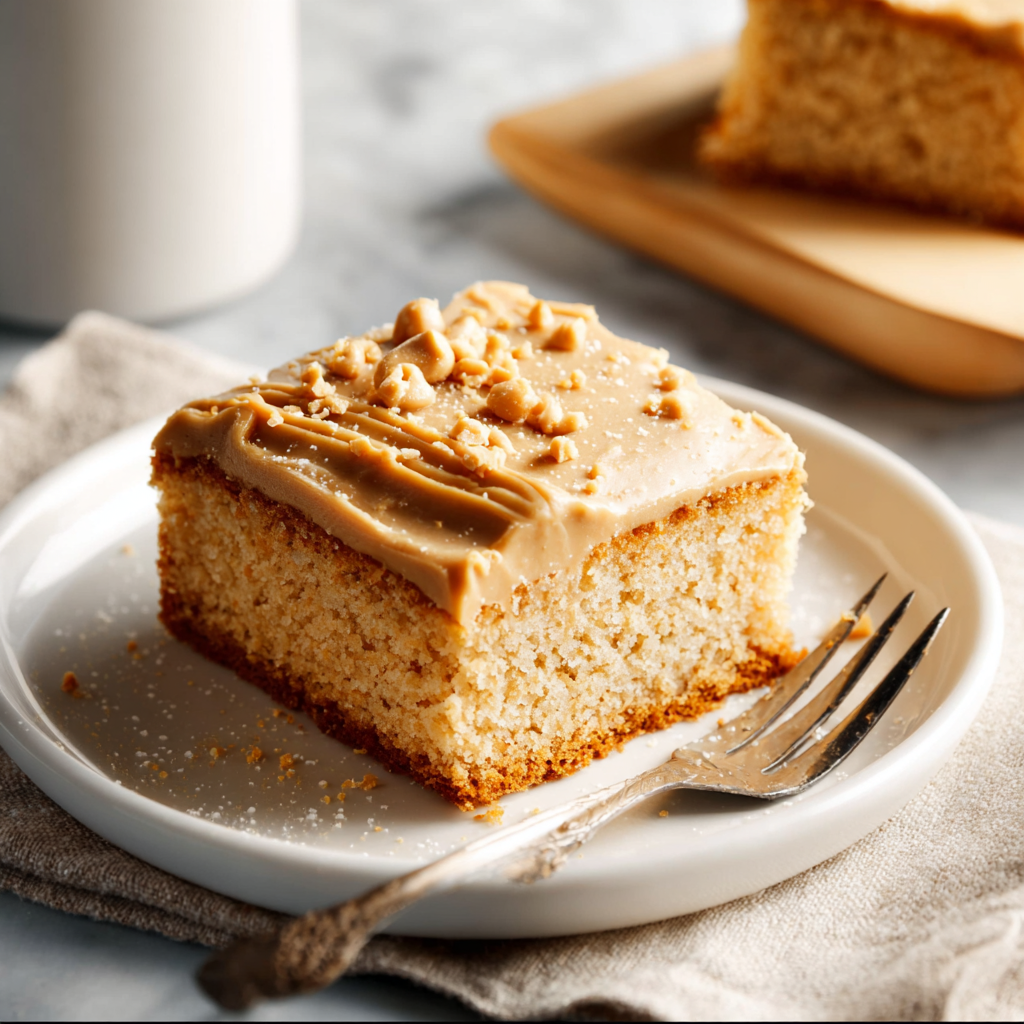
Did you know that Peanut Butter Sheet Cake is often affectionately called “School Cafeteria Cake” or “Lunch Lady Cake” in the American South? For decades, this dessert was a staple because it is economical, feeds a crowd, and stays incredibly moist due to the high fat content of the peanut butter.
This recipe for Fluffy Peanut Butter Sheet Cake revives that nostalgia but upgrades the texture. While many sheet cakes can be heavy or greasy, this version utilizes buttermilk and the “creaming method” to aerate the batter, resulting in a crumb that is light, tender, and distinctly fluffy. Topped with a warm, fudgy chocolate frosting that sets into a crackly glaze, this cake is the ultimate comfort food. It requires no layering, no leveling, and no fancy piping—just a single pan of pure peanut butter bliss.
Ingredients List
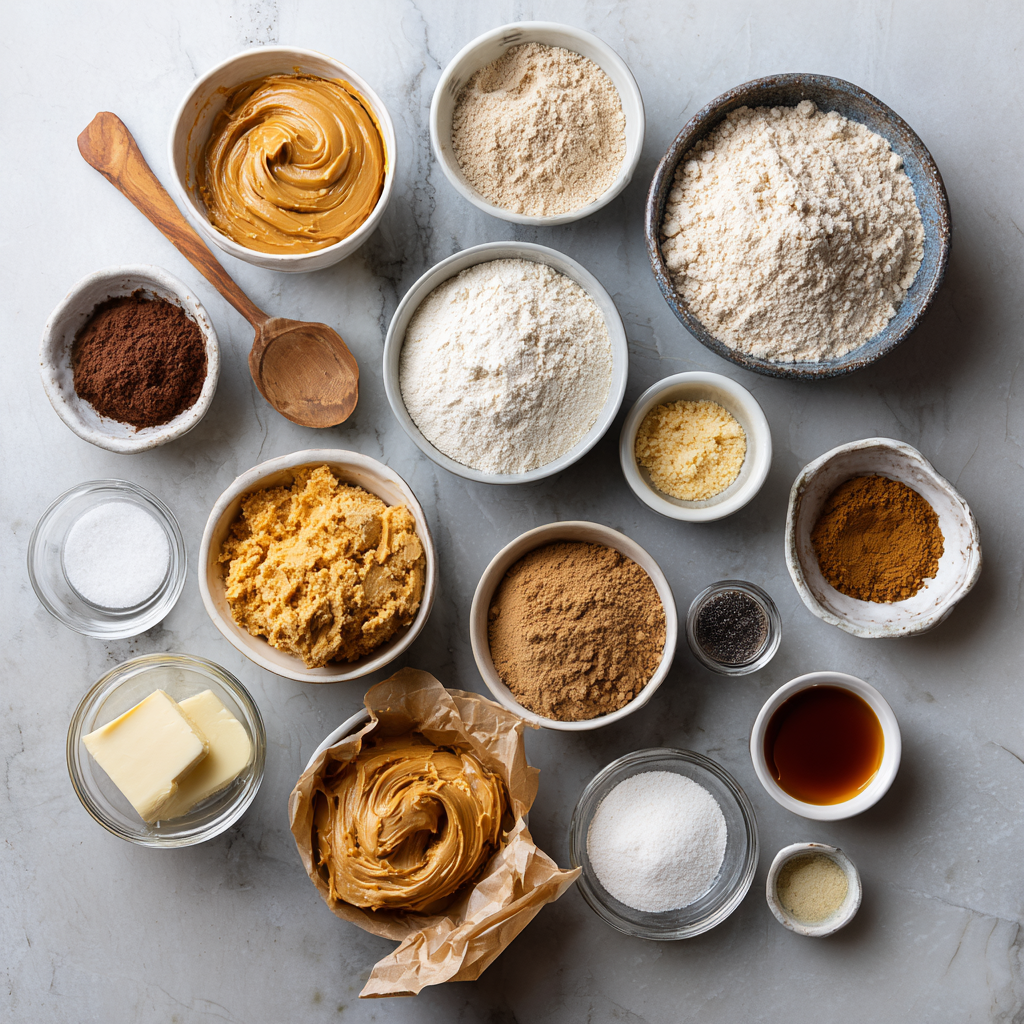
To ensure the cake rises high and doesn’t fall flat, the temperature of your dairy and eggs is the critical variable. Here is your curated shopping list.
The Fluffy Cake Base:
- 2 Cups All-Purpose Flour: Spooned and leveled.
- 2 Cups Granulated Sugar.
- 1 Cup (2 sticks) Unsalted Butter: Softened.
- 1 Cup Creamy Peanut Butter:
- Critical Spec: Use a standard commercial brand like Jif or Skippy. Do not use natural peanut butter (the kind with oil on top); the separated oil structure will make the cake greasy and dense.
- 1 Cup Buttermilk: Room temperature.
- The Science: The acid in buttermilk reacts with the baking soda to create carbon dioxide, which is essential for the “fluffy” lift.
- 2 Large Eggs: Room temperature.
- 1 Teaspoon Baking Soda & ½ Teaspoon Salt.
- 1 Teaspoon Vanilla Extract.
The Fudgy Chocolate Frosting:
- ½ Cup (1 stick) Unsalted Butter.
- 1/3 Cup Milk: Whole milk is best.
- 1/4 Cup Unsweetened Cocoa Powder.
- 2 ½ Cups Confectioners’ Sugar (Powdered Sugar): Sifted.
- 1 Teaspoon Vanilla Extract.
Substitutions:
- Nut-Free: Use Cookie Butter (Speculoos) or Sunflower Seed Butter. The texture will be identical, though the flavor will change.
- Buttermilk: Mix 1 cup whole milk with 1 tablespoon lemon juice and let sit for 10 minutes.
- Frosting Variation: If you are a peanut butter purist, replace the cocoa powder in the frosting with ¼ cup extra peanut butter for a “Double PB” cake.
Timing
This cake comes together quickly, and the frosting is made while the cake bakes.
- Preparation Time: 20 minutes.
- Baking Time: 20–25 minutes.
- Frosting Time: 5 minutes.
- Total Time: Approx. 50 minutes.
Data Insight: Sheet cakes bake 40% faster than round layer cakes because of the increased surface area. This minimizes the risk of the edges drying out before the center is cooked, ensuring a uniform moistness throughout.
Step-by-Step Instructions
Step 1: The Creaming Phase
Preheat your oven to 350°F (175°C). Grease a 13×9 inch baking pan (or a jelly roll pan for a thinner cake).
- Action: In a large bowl or stand mixer, beat the softened butter, peanut butter, and granulated sugar on medium-high speed for 3–4 minutes.
- Visual Cue: The mixture should look pale, fluffy, and aerated. This mechanical air incorporation is step one of “fluffiness.”
Step 2: The Wet Ingredients
Add the eggs one at a time, beating well after each. Stir in the vanilla extract.
- Technique: Scrape down the sides of the bowl to ensure no heavy butter streaks remain.
Step 3: The Dry & Liquid Alternate
In a separate bowl, whisk the flour, baking soda, and salt.
- Mix: Reduce mixer speed to low. Add the flour mixture in three parts, alternating with the buttermilk in two parts (Flour -> Milk -> Flour -> Milk -> Flour).
- Stop: Mix only until the white flour streaks disappear. Do not overmix, or the gluten will develop and make the cake tough (bread-like) instead of fluffy.
Step 4: The Bake
Spread the batter evenly into the prepared pan.
- Bake: Bake for 20–25 minutes.
- Doneness: A toothpick inserted into the center should come out clean, and the cake should spring back when gently pressed.
Step 5: The Boiled Frosting
Start this 5 minutes before the cake comes out.
In a saucepan, combine the ½ cup butter, milk, and cocoa powder.
- Boil: Bring to a boil over medium heat, stirring constantly. Remove from heat immediately once boiling.
- Whisk: Whisk in the powdered sugar and vanilla until smooth and glossy.
Step 6: The Pour
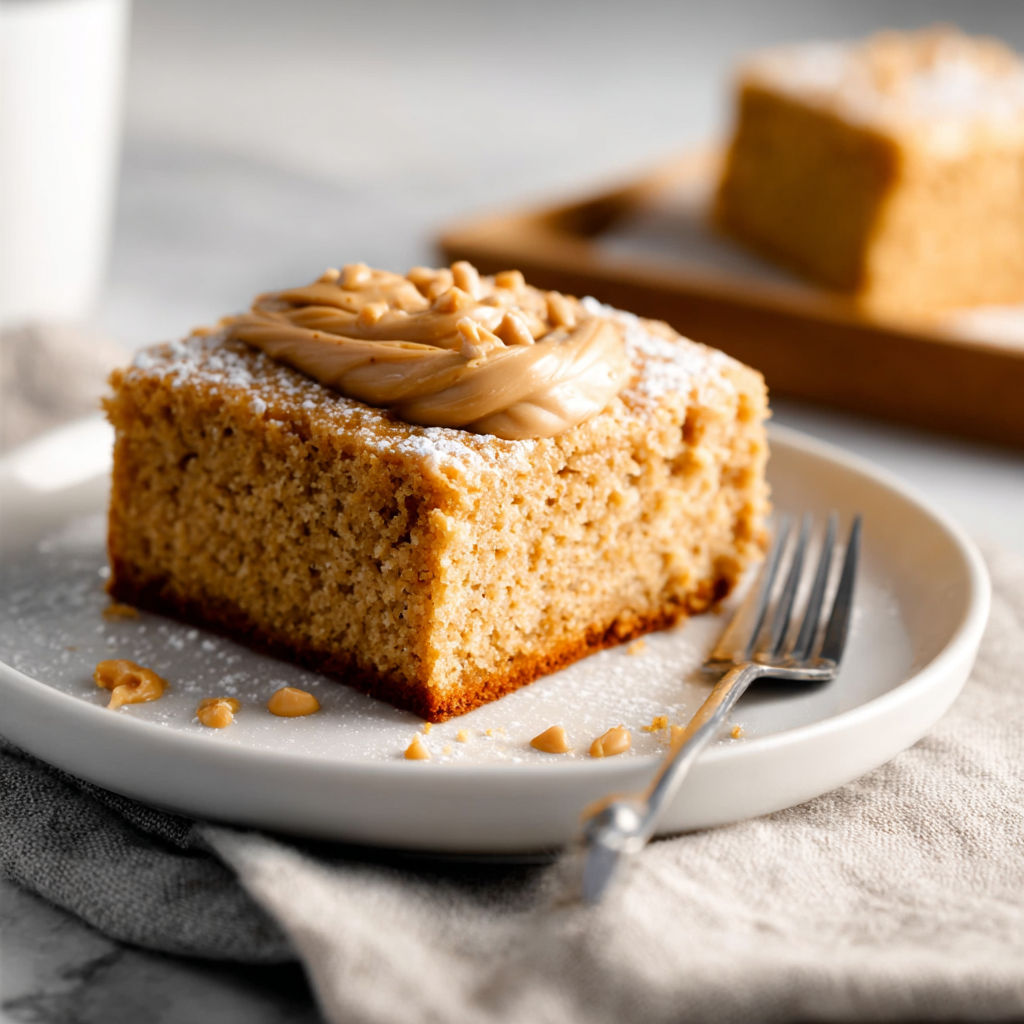
Pour the warm frosting directly over the warm cake.
- Spread: Use a spatula to push the frosting to the edges gently.
- Cool: Let the cake cool for at least 30 minutes. The frosting will set into a soft, fudge-like shell.
Nutritional Information
This is a high-energy dessert. Estimated breakdown per square (based on 20 servings):
| Nutrient | Amount | % Daily Value |
| Calories | 380 kcal | – |
| Total Fat | 22g | 33% |
| Saturated Fat | 10g | 50% |
| Carbohydrates | 42g | 14% |
| Sugars | 30g | – |
| Protein | 6g | 12% |
Data Insight: Peanut butter provides a significant amount of Monounsaturated Fat and protein (approx. 4g per serving in this cake), which helps slightly blunt the blood sugar spike compared to a standard vanilla sheet cake.
Healthier Alternatives for the Recipe
Customize your Sheet Cake for dietary needs:
- Whole Grain:
- Use White Whole Wheat Flour. It has the nutrition of whole wheat but a lighter texture that works well with the strong peanut butter flavor.
- Lower Sugar:
- Reduce the sugar in the cake to 1 ½ cups.
- Use a Monk Fruit powdered sweetener for the frosting.
- Gluten-Free:
- Use a 1:1 Gluten-Free Baking Flour (King Arthur Measure for Measure). The peanut butter helps structure the cake, making it one of the best candidates for GF conversion.
Serving Suggestions
- The Lunchroom Classic: Serve a square on a napkin with a carton of cold milk.
- A La Mode: Warm the slice slightly and top with vanilla ice cream.
- Garnish: Sprinkle chopped roasted peanuts or mini chocolate chips over the frosting while it is still wet for extra crunch.
Common Mistakes to Avoid
Peanut butter baking has specific rules.
- Using Natural PB:
- The Error: Using the gritty, oily organic stuff.
- The Result: The oil separates during baking, leaving the cake heavy and greasy.
- The Fix: Stick to Jif or Skippy for baking.
- Cold Buttermilk:
- The Error: Adding cold milk to creamed butter.
- The Result: The butter seizes up into little clumps (curdling).
- The Fix: Room temp ingredients only.
- Waiting to Frost:
- The Error: Letting the cake cool completely before making frosting.
- The Result: The frosting thickens in the pan and becomes hard to spread.
- The Fix: Pour warm frosting on warm cake.
Storing Tips for the Recipe
This cake stays moist for days.
- Room Temperature: Cover the pan tightly with foil or a lid. Store on the counter for up to 3 days.
- Refrigeration: Up to 1 week. Eat cold or bring to room temp.
- Freezing:
- Method: Cut into squares. Wrap individual squares in plastic wrap and freeze for up to 3 months. Thaw on the counter for 30 minutes.
Conclusion
Fluffy Peanut Butter Sheet Cake is the definition of a crowd-pleaser. It offers the perfect ratio of salty, nutty cake to sweet, fudgy frosting in every bite. By using buttermilk and proper mixing techniques, you transform dense ingredients into a light, airy sponge that melts in your mouth.
Summary: A moist, buttermilk-based peanut butter sheet cake topped with a warm boiled chocolate fudge frosting.
Ready to bake?
Grab that jar of Jif! Rate this recipe 5 stars if you loved the fluffy texture, and leave a comment below: creamy or crunchy PB? Subscribe for more nostalgic dessert recipes!
FAQs
Can I use crunchy peanut butter?
Yes! If you like texture in your cake, crunchy peanut butter works perfectly. The base measurements remain the same.
Why is my cake dry?
Overbaking is the usual culprit. Sheet cakes are thin and dry out fast. Start checking at the 18-minute mark. Also, ensure you didn’t pack your flour into the measuring cup (spoon and level it).
Can I make vanilla frosting instead?
Absolutely. Omit the cocoa powder in the frosting recipe and increase the powdered sugar to 3 cups (or add a little less milk).