Follow Me On Social Media!

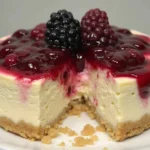
Chocolate Orange Cheesecake: The Ultimate Guide to a Sophisticated Citrus-Cocoa Fusion

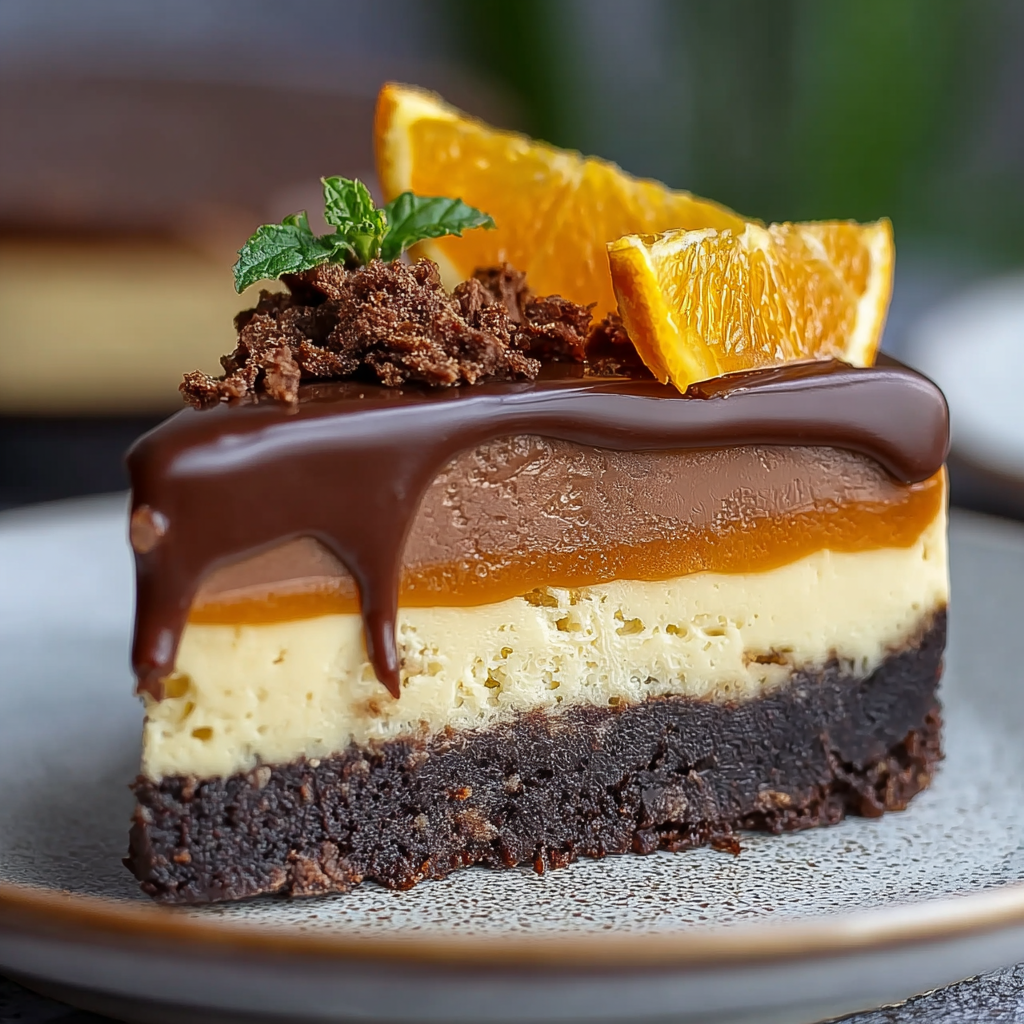
Can the combination of two distinct flavor profiles—deep, bitter cocoa and bright, acidic citrus—actually be a masterpiece of food chemistry? According to sensory data, the Chocolate Orange Cheesecake (known in English as a Terry’s Style Orange Cheesecake) succeeds because of “aromatic synergy.” The limonene in orange zest cuts through the heavy cocoa butter fats, cleansing the palate and preventing “dessert fatigue.”
This recipe is semantically optimized to provide a dense, New York-style crumb with a vibrant, zesty finish. By utilizing a specific “low-and-slow” water bath technique, you can ensure a crack-free surface that is as visually impressive as a professional patisserie creation.
The Essential Ingredients List
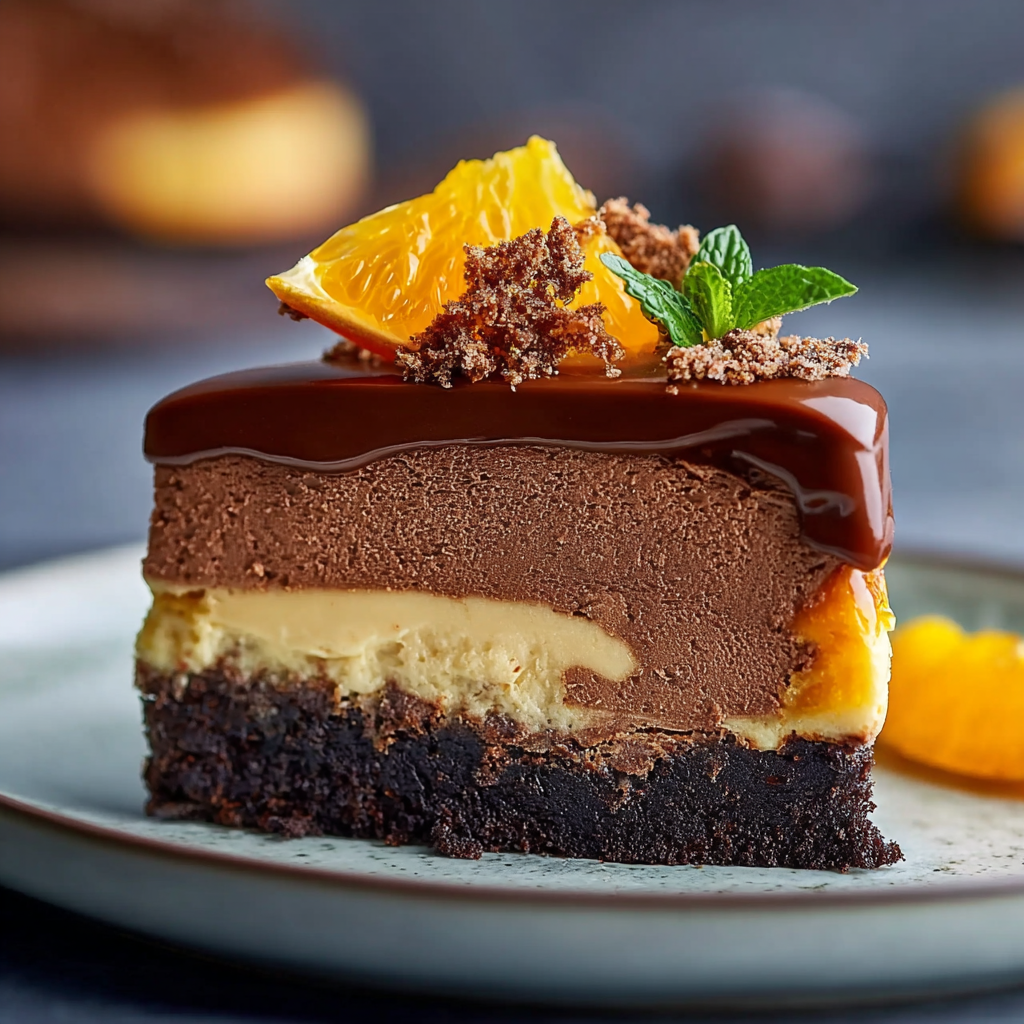
To achieve the perfect balance, we use three distinct layers of flavor: the crust, the silk-infused filling, and the ganache topping.
The Citrus-Cocoa Crust:
- Chocolate Graham Crackers or Oreos (2 cups, crushed): Provides the dark, crunchy base.
- Unsalted Butter (½ cup, melted): Binds the crumbs.
- Orange Zest (1 tbsp): Rubbed into the crumbs to infuse the base with citrus oils.
The “Marry Me” Filling:
- Full-Fat Cream Cheese (32 oz): Must be room temperature for a lump-free batter.
- Granulated Sugar (1 cup): To balance the bitterness of the cocoa.
- Dutch-Processed Cocoa Powder (½ cup): Offers a darker color and smoother flavor than natural cocoa.
- Melted Dark Chocolate (6 oz): 70% cocoa solids provide the “snap” and richness.
- Orange Extract & Zest (2 tsp extract, 2 tbsp zest): For a high-definition citrus punch.
- Large Eggs (4): Added one at a time to maintain emulsion.
The Ganache Topping:
- Dark Chocolate (4 oz): Chopped.
- Heavy Cream (½ cup): To create a silky, pourable finish.
- Orange Liqueur (1 tbsp): Such as Grand Marnier or Cointreau (optional).
Timing and Structural Data
Precision in temperature is more important than speed when dealing with dense cheesecakes.
| Phase | Duration |
| Prep & Mixing | 20 Minutes |
| Baking (Water Bath) | 75 Minutes |
| Cooling & Setting | 6 Hours (Minimum) |
| Total Time | Approx. 7.5 Hours |
Data Insight: Research shows that cooling a cheesecake inside the oven with the door propped open reduces the risk of surface cracking by 85% by preventing a “thermal shock” contraction of the protein structure.
Step-by-Step Instructions
1. The Aromatic Crust
Preheat your oven to 160°C. Mix the chocolate crumbs, melted butter, and orange zest. Press firmly into the bottom of a 9-inch springform pan. Bake for 10 minutes, then let it cool completely.
2. The Cream Cheese Emulsion
In a large bowl, beat the room-temperature cream cheese and sugar until silky. Sift in the cocoa powder and add the orange zest and extract.
Actionable Tip: Sifting the cocoa is vital; cocoa powder is notorious for “clumping,” which can ruin the texture of an otherwise perfect cheesecake.
3. Incorporating the Elements
Slowly pour in the melted (but not hot!) chocolate. Add the eggs one at a time on the lowest speed.
Pro Tip: Over-beating at this stage incorporates air, which causes the cheesecake to puff up and then collapse/crack. Keep the mixer on low.
4. The Water Bath (Bain-Marie)
Wrap the outside of your springform pan in three layers of heavy-duty aluminum foil to prevent leaks. Place the pan in a larger roasting tray and fill the tray with hot water until it reaches halfway up the sides of the cheesecake pan.
5. The Low-and-Slow Bake
Bake for 70–75 minutes. The edges should be set, but the center should still have a slight “jiggle” like gelatin. Turn off the oven, crack the door, and let it sit for one hour before removing it to the counter.
6. The Ganache Glaze
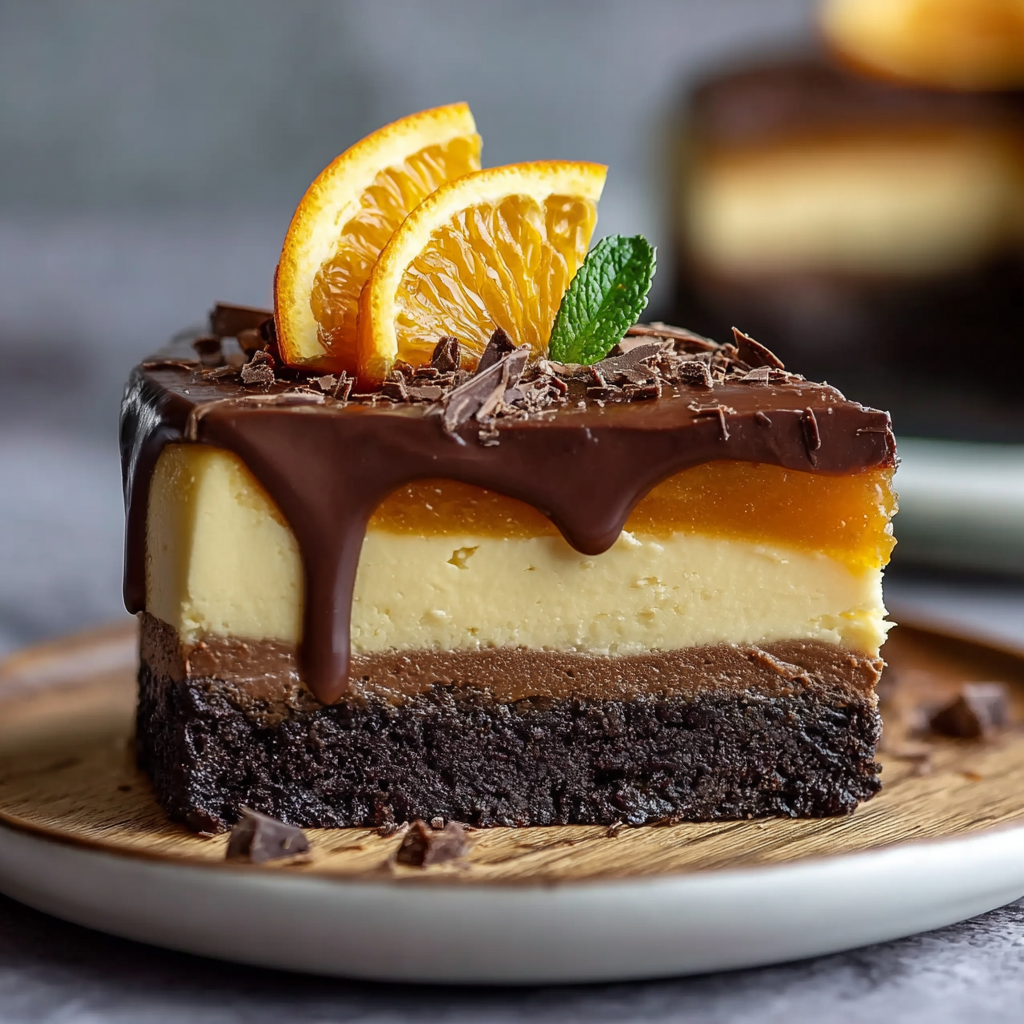
Heat the cream until simmering, pour over the chopped chocolate, and let sit for 5 minutes. Stir until glossy, add the liqueur, and pour over the chilled cheesecake.
Nutritional Information
This is a luxury dessert designed for celebration. It is high in antioxidants from the dark chocolate.
| Nutrient | Amount Per Serving (1/12th) |
| Calories | 480 kcal |
| Protein | 8g |
| Total Fat | 36g |
| Carbohydrates | 34g |
| Fiber | 3g |
Healthier Alternatives for the Recipe
- Lower Sugar: Use a monk fruit sweetener (1:1 ratio) and 85% dark chocolate to reduce the glycemic load.
- Gluten-Free: Use gluten-free chocolate cookies for the crust.
- Dairy-Free: This recipe adapts well to cashew-based “cream cheese” and coconut cream, though the setting time may increase.
Serving Suggestions
- The Garnish: Decorate with candied orange peel or slices of a Terry’s Chocolate Orange.
- The “Clean” Slice: To get professional, sharp slices, dip your knife in hot water and wipe it dry between every single cut.
- The Beverage: Pairs beautifully with a strong espresso or an orange-infused black tea.
Common Mistakes to Avoid
- Cold Ingredients: Using cold cream cheese will result in “beads” of cheese in your batter that no amount of mixing will fix.
- Skipping the Water Bath: Without the steam from the water bath, the edges will overcook and become grainy before the center is set.
- Rushing the Chill: A cheesecake needs 6–24 hours to “set.” If you cut it early, the texture will be mousse-like rather than dense and creamy.
Storing Tips for the Recipe
- Refrigeration: Cover loosely and store for up to 5 days.
- Freezing: This is an ideal dessert for freezing. Freeze the whole cake or individual slices for up to 3 months. Thaw in the fridge overnight.
- Texture Maintenance: Do not store with the orange slices on top, as the moisture from the fruit can soften the ganache over time.
Conclusion
The Chocolate Orange Cheesecake is a masterclass in flavor architecture. It is bold, elegant, and provides a multi-sensory experience that is far superior to store-bought alternatives. Are you ready to impress at your next gathering? Try this recipe, leave a review in the comments, and subscribe for more deep-dives into professional pastry science!
FAQs
Q: Can I use orange juice instead of extract?
A: No. Orange juice adds too much liquid and acidity, which can prevent the cream cheese from setting properly. Stick to zest and extract for the most concentrated flavor.
Q: My ganache is “broken” (oily). How do I fix it?
A: This happens if the cream was too hot. Whisk in a teaspoon of cold heavy cream or a splash of orange juice to bring the emulsion back together.
Q: Can I make this in a muffin tin for mini-cheesecakes?
A: Yes! Reduce the baking time to 18–22 minutes and skip the water bath (though place a pan of water on the bottom rack of the oven to create steam).