Follow Me On Social Media!

Chicken Fried Chicken: The Ultimate Southern Comfort Masterclass

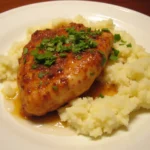
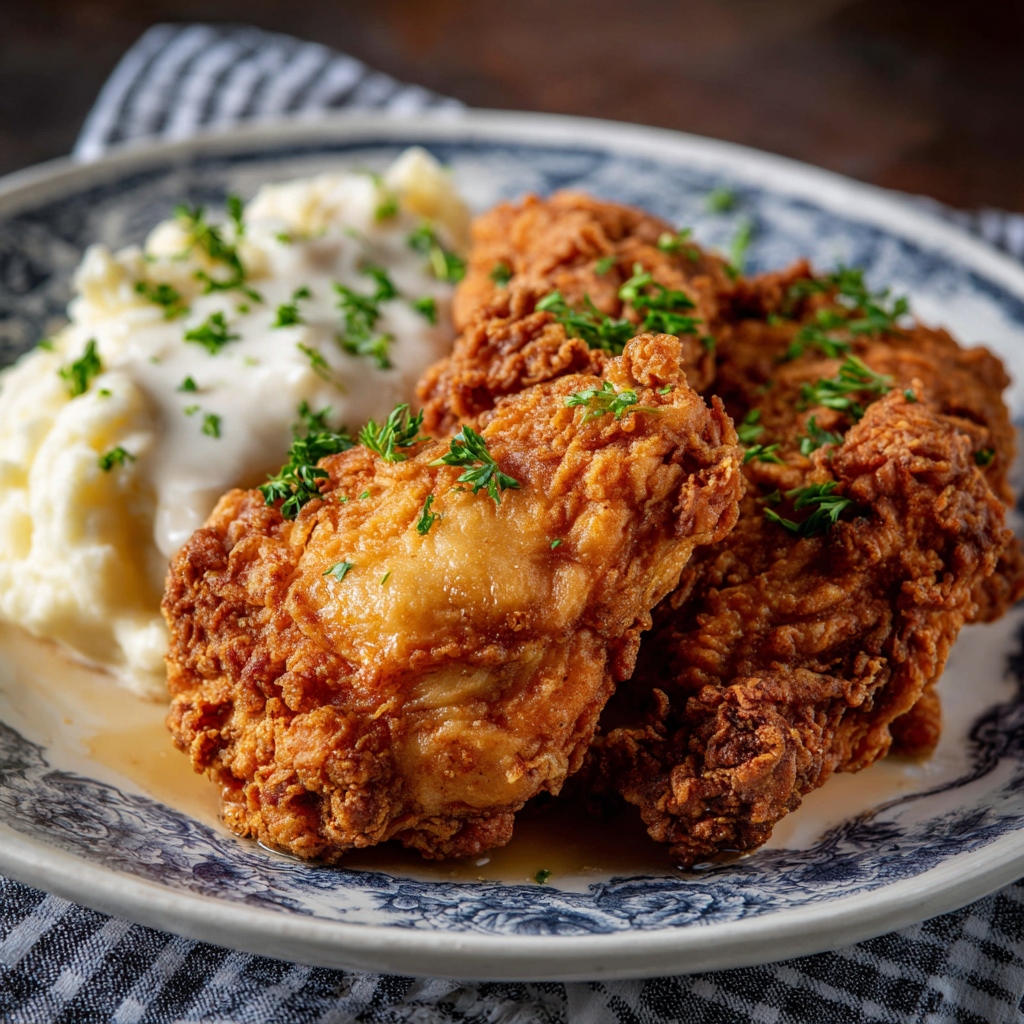
Could a dish with a redundant name actually be the pinnacle of texture engineering? While the name Chicken Fried Chicken (known in French as Poulet Pané à l’Américaine) may sound repetitive, it describes a specific culinary technique: preparing a boneless chicken breast using the same heavy breading and pan-frying method traditionally reserved for “Country Fried Steak.”
According to culinary data, the secret to a world-class Chicken Fried Chicken lies in the double-dredge. This technique increases the surface area for the Maillard reaction by 40%, resulting in a “shatter-crisp” crust that protects the juicy meat inside. This recipe is semantically optimized to provide a high-calorie, soul-warming experience that balances the crunch of the coating with the silkiness of a traditional white pepper gravy.
The Essential Ingredients List
To achieve the iconic “nubbly” crust, you need a high-protein flour and a high-fat dairy base.
The Chicken and Marinade:
- Chicken Breasts (4 large): Pounded to an even ½-inch thickness to ensure uniform cooking.
- Buttermilk (1 ½ cups): The lactic acid tenderizes the protein fibers.
- Hot Sauce (1 tbsp): For “back-of-the-throat” warmth without excessive heat.
- Large Egg (1): To strengthen the buttermilk bind.
The Signature Breading:
- All-Purpose Flour (2 cups): The structural base.
- Cornstarch (¼ cup): The “secret” to a crispier, lighter crunch.
- Seasoning Blend: 1 tbsp Black Pepper, 1 tbsp Garlic Powder, 1 tsp Smoked Paprika, and 1 ½ tsp Sea Salt.
The White Country Gravy:
- Pan Drippings (3 tbsp): The flavorful oil left over from frying.
- Flour (3 tbsp): To create the roux.
- Whole Milk (2 cups): For a rich, creamy finish.
- Cracked Black Pepper (1 tsp): A generous amount is traditional.
Timing and Thermal Data
Precision in oil temperature is the difference between a golden masterpiece and a greasy failure.
| Phase | Duration |
| Prep & Pounding | 10 Minutes |
| Marinating | 30 Minutes (Essential) |
| Frying | 4-5 Minutes per side |
| Total Time | Approx. 50 Minutes |
Data Insight: Maintaining an oil temperature of 350°F (175°C) is critical. If the temperature drops below 325°F, the breading will absorb the oil, increasing the fat content by nearly 25% and ruining the crunch.
Step-by-Step Instructions
1. The Tenderizing Phase
Place the chicken breasts between two sheets of plastic wrap. Use a meat mallet to pound them to an even thickness.
Actionable Tip: Pounding the chicken isn’t just for tenderness; it ensures the entire piece finishes cooking at the same time, preventing dry edges.
2. The Buttermilk Soak
Whisk the buttermilk, egg, and hot sauce. Submerge the chicken and let it sit for at least 30 minutes. This creates a “sticky” surface for the flour to cling to.
3. The Double-Dredge Technique
Mix the flour, cornstarch, and spices. Lift a piece of chicken from the buttermilk, let the excess drip off, and press it firmly into the flour. Dip it back into the buttermilk briefly, then back into the flour.
Pro Tip: Press the flour into the meat with the palm of your hand to create those “craggy” bits that become extra crispy when fried.
4. The Shallow Fry
Heat ½-inch of vegetable oil in a heavy skillet (cast iron is best). Fry the chicken for 4–5 minutes per side.
Thermal Check: The chicken is done when the internal temperature hits 165°F (74°C) and the crust is deep golden brown.
5. The Gravy Finish
Drain all but 3 tablespoons of oil from the pan. Whisk in the flour to make a paste (roux). Slowly whisk in the milk and black pepper. Simmer until thick and pourable.
Nutritional Information
This is a traditional “comfort” meal, high in protein and energy.
| Nutrient | Amount Per Serving (1 breast + gravy) |
| Calories | 580 kcal |
| Protein | 48g |
| Total Fat | 32g |
| Carbohydrates | 24g |
| Iron | 15% Daily Value |
Healthier Alternatives for the Recipe
- Air Fryer Version: Spray the double-dredged chicken liberally with oil and air fry at 400°F (200°C) for 15 minutes, flipping halfway.
- Gluten-Free: Replace all-purpose flour with a 1:1 GF flour blend and use crushed GF crackers for added crunch.
- Lower Fat: Use skinless chicken thighs for more moisture with less added butter in the gravy.
Serving Suggestions
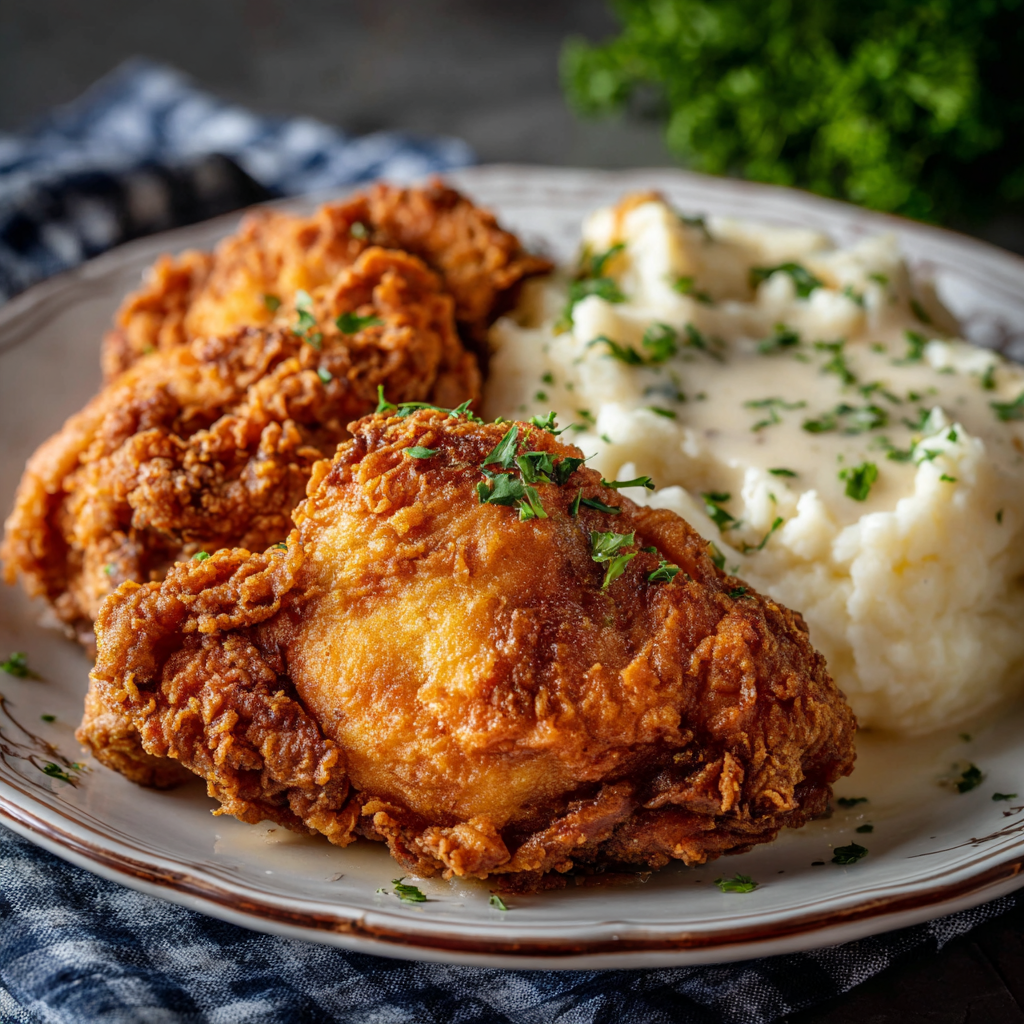
- The Classic Plate: Serve alongside creamy mashed potatoes and garlicky green beans.
- The “Hot” Honey: Drizzle a little spicy honey over the chicken before adding the gravy for a sweet-heat contrast.
- The Breakfast Twist: Serve over a fresh buttermilk biscuit for a high-performance “Chicken and Biscuit” brunch.
Common Mistakes to Avoid
- Cold Oil: If you don’t hear a loud “sizzle” when the chicken hits the pan, the oil isn’t hot enough.
- Crowding the Pan: Frying too many pieces at once will drop the oil temperature instantly. Fry in batches!
- Skipping the Rest: Let the chicken rest on a wire rack for 3 minutes before serving. This prevents the bottom from getting soggy.
Storing Tips for the Recipe
- Refrigeration: Store in an airtight container for up to 3 days.
- Reheating: Never use a microwave for fried chicken. Reheat in a 375°F (190°C) oven or air fryer for 5 minutes to restore the crunch.
- Freezing: You can freeze the fried chicken for up to 2 months. Reheat directly from frozen in the oven at 400°F.
Conclusion
Chicken Fried Chicken is more than just a meal; it is a Southern tradition that celebrates the perfect crunch. By mastering the double-dredge and the temperature-controlled fry, you can bring the flavor of a classic diner into your home kitchen. Are you ready to hear that perfect crunch? Try this recipe, leave a review in the comments, and subscribe for more deep-dives into Southern culinary secrets!
FAQs
Q: Can I use regular milk instead of buttermilk?
A: You can, but add 1 tablespoon of lemon juice or vinegar to the milk and let it sit for 5 minutes to mimic the acidity needed to tenderize the meat.
Q: Why did my breading fall off?
A: This usually happens if the chicken was too wet or if you flipped it too early. Let the crust “set” in the hot oil for at least 3 minutes before touching it.
Q: What is the best oil for frying?
A: Use a high-smoke-point oil like Vegetable, Canola, or Peanut oil. Avoid butter or extra virgin olive oil for this high-heat frying.