Follow Me On Social Media!

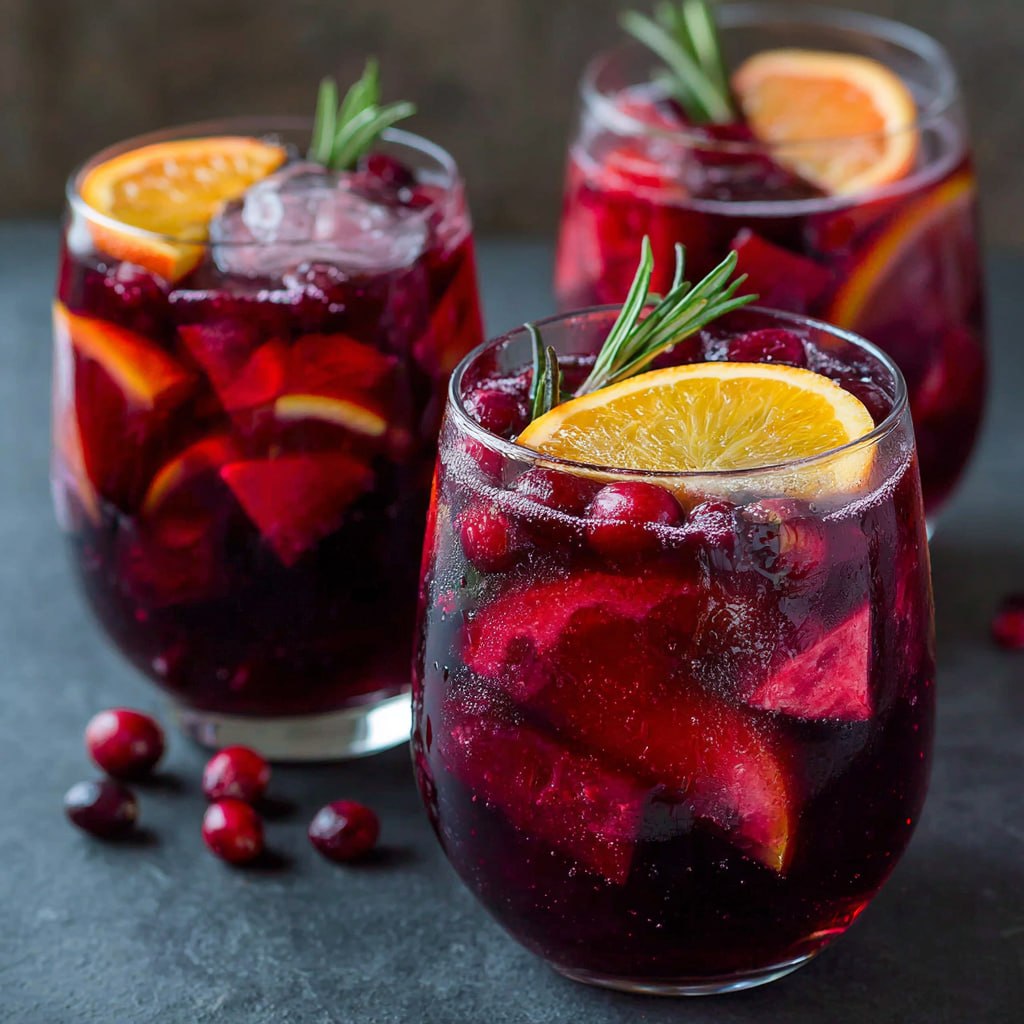
Big-Batch Costco Budget Sangria
This healthy low-sugar sangria uses red wine, fresh fruit, and minimal added sweetener — a smarter party drink that still tastes amazing.

Introduction
Sangria gets a bad reputation in healthy-eating circles because commercial versions are loaded with added sugar, artificial fruit flavors, and mystery sweeteners. But made correctly — and made at home with real ingredients — sangria can actually be a surprisingly reasonable choice. This healthy low-sugar sangria uses a quality Costco red wine packed with resveratrol and polyphenols, loads of fresh and frozen fruit full of vitamins and antioxidants, and minimal added sweetener. The result is a bright, fruity party drink that feels indulgent but is made with real food.
Why Red Wine in Sangria Has Benefits
Red wine contains resveratrol, quercetin, and anthocyanins — powerful antioxidants associated with cardiovascular health and anti-inflammatory effects. These polyphenols are particularly concentrated in Spanish Rioja and Cabernet Sauvignon grapes, which are exactly the affordable wines Costco carries in abundance. Diluting the wine with fruit juice and fresh fruit actually lowers the per-glass alcohol content, making it a more moderate-strength beverage than a straight glass of wine.
Ingredients (Serves 8, Lower Sugar Version)
- 1 bottle Kirkland Rioja or another dry red wine
- ¼ cup brandy (reduced from traditional amount)
- ½ cup 100% pomegranate juice (antioxidant-rich, no added sugar)
- ½ cup 100% orange juice
- 1 tablespoon honey (or skip entirely for extra-low sugar)
- 1 orange, 1 lemon, sliced
- 1 cup frozen mixed berries (blueberries, raspberries, strawberries)
- ½ cup pomegranate seeds
- Sparkling water to top (instead of ginger ale — no added sugar)
- Fresh mint leaves
Why These Swaps Work
Pomegranate juice instead of sugary mixers: Pomegranate juice is naturally sweet, deeply flavored, and loaded with antioxidants (three times the polyphenol content of red wine). It makes sangria incredibly rich and fruity without added sugar syrups.
Sparkling water instead of ginger ale: Traditional sangria topped with ginger ale adds 20–25g of extra sugar per pitcher. Sparkling water adds the same pleasant fizz with zero sugar.
Less brandy: Cutting brandy from ½ cup to ¼ cup reduces alcohol and sugar while the pomegranate juice fills the flavor gap.
Frozen berries as ice: Chills without diluting and adds nutritional value — berries are among the most antioxidant-dense foods available.
Instructions
- Add citrus slices and frozen berries to a large pitcher.
- Add pomegranate seeds and honey.
- Pour in brandy, pomegranate juice, and orange juice.
- Add wine. Stir gently.
- Cover and refrigerate at least 2 hours.
- Add sparkling water just before serving. Garnish with mint.
Nutritional Profile Per Glass (Approximate)
- Calories: ~140–160 (vs. 200–250 for traditional sangria)
- Sugar: ~10–14g (mostly from fruit, vs. 20–30g in commercial versions)
- Alcohol: ~8–10% ABV per serving
- Antioxidants: High from berries, pomegranate, and wine polyphenols
Non-Alcoholic Version
Replace the wine with unsweetened grape juice (red) and skip the brandy entirely. Use an equal amount of sparkling grape juice at serving time. The result is a beautifully flavored, antioxidant-rich mocktail that everyone at the party can enjoy.
Frequently Asked Questions
Does the alcohol in sangria negate the health benefits? Moderate alcohol consumption (1–2 drinks per day) is generally considered neutral or slightly beneficial in studies focused on cardiovascular health, particularly with red wine. Excess alcohol negates these benefits. This recipe is designed for moderate, mindful enjoyment.
Is it better to use organic wine? If available and budget allows, organic wine avoids synthetic pesticides used in conventional grape farming. Costco occasionally carries organic options — worth checking. Conventional wine is fine for most people.
Can I use 100% fruit juice instead of brandy? Yes — substitute with additional pomegranate or tart cherry juice. The flavor depth changes but remains delicious. Perfect for a fully non-alcoholic version.
What about sulfites in wine? Sulfites occur naturally in wine fermentation and are also added as preservatives. People with sulfite sensitivity should look for “no sulfites added” labels or consider using juice instead of wine.
How do I keep it cold without diluting it? Frozen fruit is the answer — it chills the sangria as it slowly thaws. You can also freeze small bunches of grapes and use them as ice cubes.