Follow Me On Social Media!

Chicken Katsu
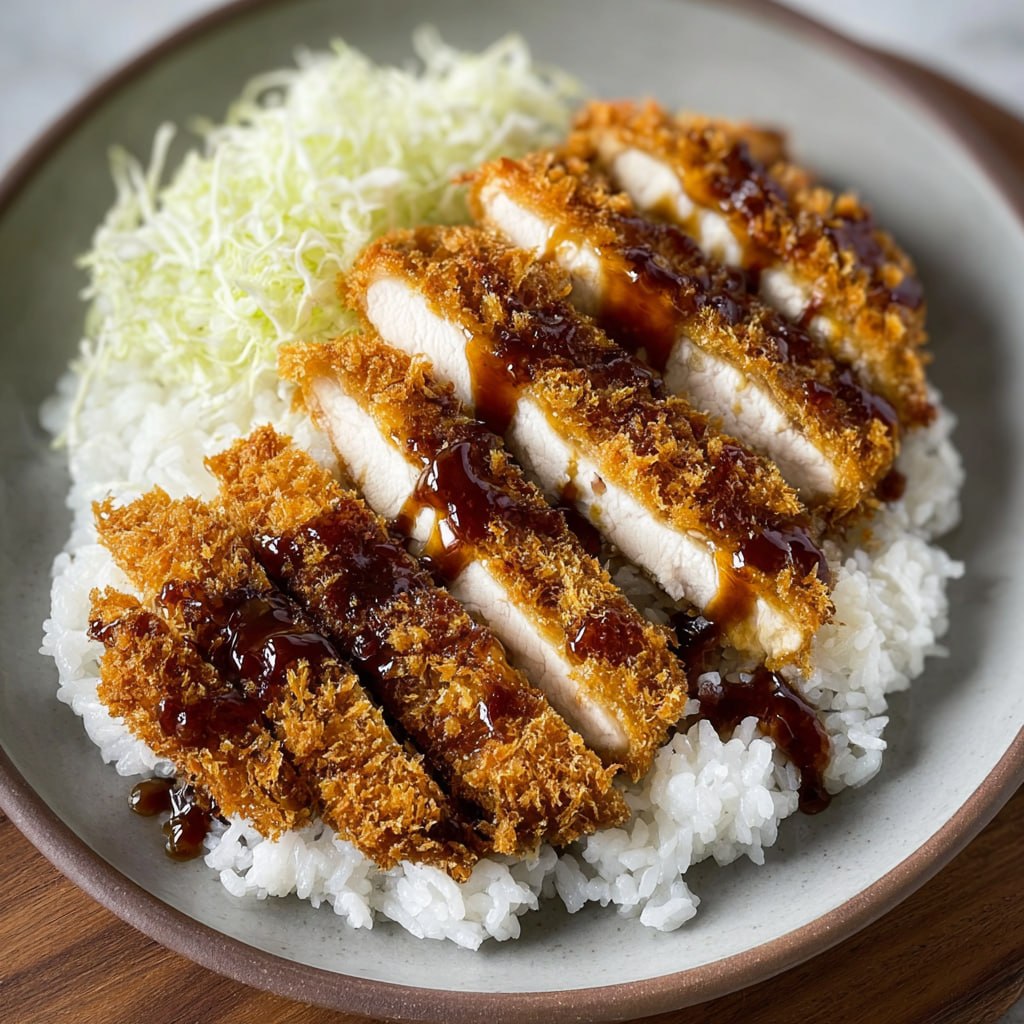
Get all the crunch of chicken katsu without frying — this healthy baked version is lighter, cleaner, and still incredibly crispy.

Introduction
Traditional chicken katsu is deep-fried, and that is part of what makes it delicious. But if you want all the crispy satisfaction of a panko crust without the oil and calories of pan-frying, this healthy baked chicken katsu is your answer. By using a light spray of oil and a very hot oven, you can achieve a genuinely crispy exterior on the panko coating — not quite the shattering crunch of frying, but remarkably close, and significantly lighter.
This version also pairs the katsu with a simplified tonkatsu sauce that cuts the sugar, and serves it with steamed vegetables or a fresh salad instead of white rice alone. The result is a balanced, protein-rich meal that feels indulgent but fits cleanly into a health-conscious lifestyle.
Nutritional Comparison
Traditional pan-fried chicken katsu absorbs a significant amount of oil during frying. A standard serving contains approximately 450–550 calories. This baked version comes in at approximately 320–380 calories per serving — a meaningful reduction without sacrificing the experience.
Additionally, baking eliminates the need for a large amount of neutral oil and uses no butter, making this a naturally dairy-free preparation with a better fat profile than the fried original.
Ingredients
For the chicken:
- 2 large chicken breasts, pounded to ½-inch thickness
- Salt, pepper, and garlic powder
- ¼ cup whole wheat or all-purpose flour
- 2 large eggs, beaten
- 1½ cups panko breadcrumbs
- Avocado oil spray
For lighter tonkatsu sauce:
- 2 tablespoons Worcestershire sauce
- 1 tablespoon ketchup (no added sugar variety)
- 1 tablespoon soy sauce
- 1 teaspoon honey
- ½ teaspoon Dijon mustard
To serve:
- Steamed broccoli, snap peas, or edamame
- Brown rice or cauliflower rice
- Shredded cabbage with rice vinegar
Instructions
- Preheat oven to 425°F (220°C). Place a wire rack on a baking sheet and spray lightly with avocado oil.
- Season chicken with salt, pepper, and garlic powder.
- Set up three dredging dishes: flour, beaten egg, panko.
- Dredge each piece: flour → egg → panko (pressing panko firmly).
- Place breaded chicken on the prepared wire rack.
- Spray the top of the chicken generously with avocado oil spray — cover every inch of the panko surface.
- Bake 18–22 minutes until golden and crispy, flipping at the 10-minute mark and spraying the other side.
- Rest on the rack 3 minutes before slicing.
Air fryer method: Preheat to 400°F (200°C). Cook 10–12 minutes, flipping at 6 minutes. Spray before and after flipping. Even crispier than oven-baked.
Tips for Maximum Crunch
The oil spray is essential. Panko without oil will not brown — it will just turn light beige. A generous spray of avocado oil is what triggers the Maillard reaction and gives you a golden, toasty crust.
Use a wire rack. Baking directly on a sheet pan traps steam underneath and makes the bottom of the katsu soggy. A wire rack allows heat to circulate all around.
Very hot oven. 425°F (220°C) is not optional — you need high heat to crisp the panko before the chicken overcooks. Do not reduce the temperature.
Do not skip the flip. Flipping at the halfway point and re-spraying the underside ensures both sides get golden and crispy.
Serving Suggestions for a Balanced Meal
- Baked katsu + steamed broccoli + brown rice + miso soup = complete, balanced Japanese-inspired meal
- Sliced katsu over a big salad with a sesame-ginger dressing = high-protein grain-free option
- Katsu in lettuce wraps with shredded cabbage, julienned carrots, and hoisin sauce = fresh, light alternative
- Sliced and served over cauliflower rice with roasted bok choy = low-carb version
Frequently Asked Questions
Can I use chicken thighs? Yes — thighs are moister and more forgiving in the oven. Pound to ½-inch thickness and add 3–4 minutes to baking time since thigh meat is denser.
Is whole wheat panko available? Some brands make whole wheat panko, which adds a little extra fiber. Ian’s Natural Foods and Aleia’s both make whole grain versions. Standard panko works perfectly well and is not dramatically different nutritionally.
Can I make this gluten-free? Yes — use gluten-free panko (like Kikkoman GF Panko) and gluten-free flour. The crust is slightly different in texture but still very crispy.
How do I store and reheat baked katsu? Refrigerate in an airtight container for up to 3 days. Reheat in the oven at 375°F (190°C) for 8–10 minutes or in an air fryer at 375°F for 5–6 minutes. Do not microwave — it will make the crust soggy.
Does baked katsu taste as good as fried? It is genuinely very good — crispy, golden, and flavorful. Is it identical to fried? Not quite — the crust is slightly less shatteringly crispy. But for a weeknight health-conscious version, the trade-off is absolutely worth it.