Follow Me On Social Media!

Irish Potato Farls – A Classic Taste of Ireland

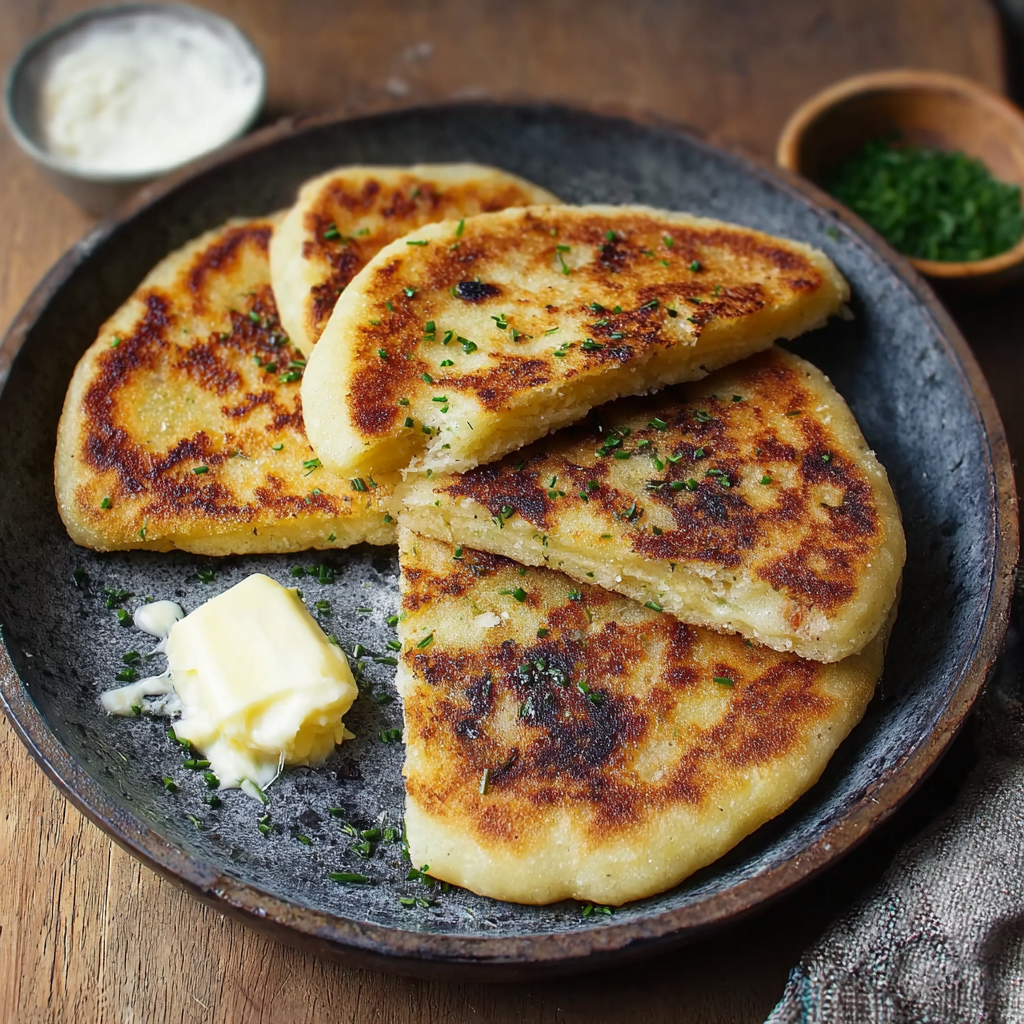
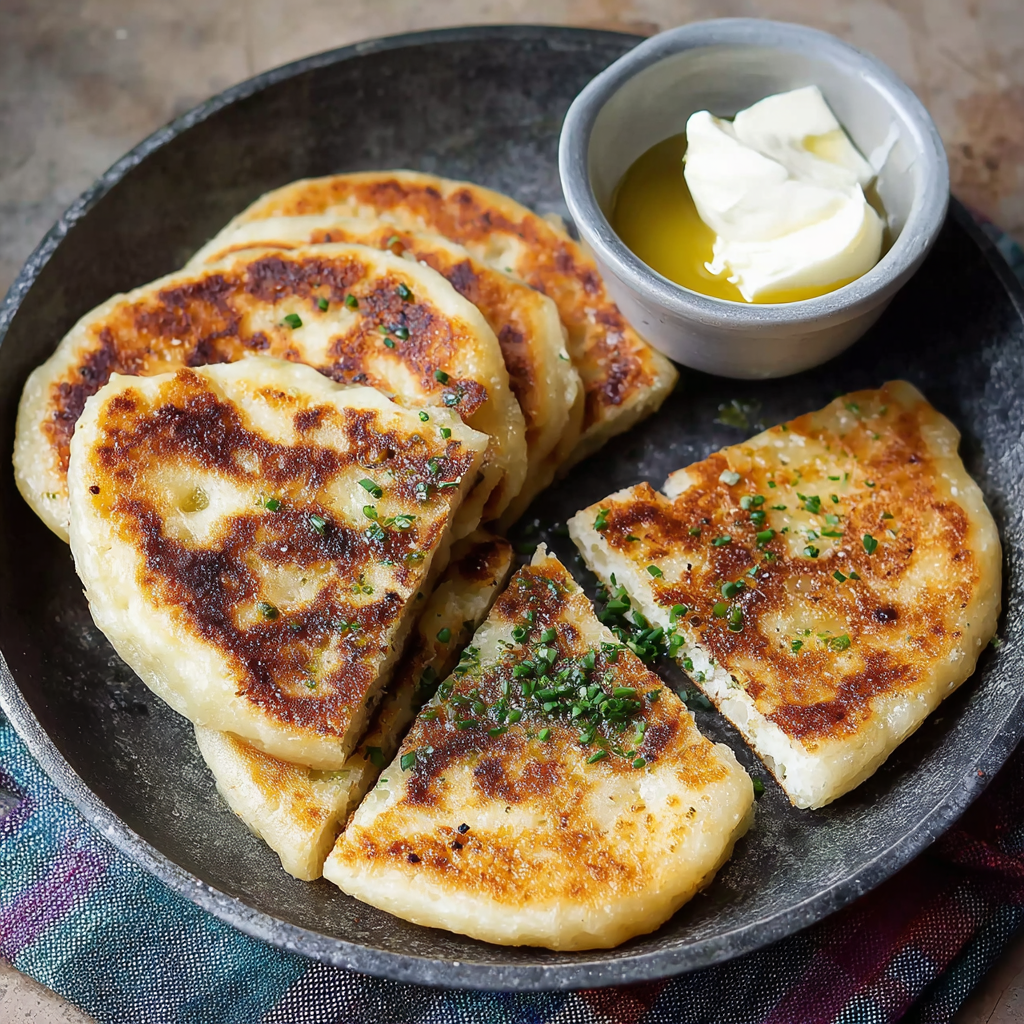
Did you know that potatoes became Ireland’s staple crop by the late 1700s, shaping traditional dishes that are still beloved today? Among them, Irish Potato Farls stand out as a humble yet iconic comfort food. These golden, pan-fried potato breads—crispy on the outside and soft inside—have been a cornerstone of the traditional Irish breakfast for generations.
This guide to Irish Potato Farls – A Classic Taste of Ireland will walk you through a simple, authentic recipe, plus modern variations, nutritional insights, and expert cooking tips. Whether you’re exploring Irish cuisine or simply looking for a creative way to use leftover mashed potatoes, this recipe delivers rustic charm and irresistible flavor.
Introduction: What Makes Irish Potato Farls So Special?
Have you ever wondered why Irish Potato Farls remain a breakfast favorite centuries after their creation? Unlike regular bread, farls use mashed potatoes as the base, creating a tender, slightly chewy texture that’s uniquely satisfying.
The word “farl” comes from the Gaelic term fardel, meaning “four parts,” referencing the traditional method of cutting the dough into quarters. These triangular potato breads are cooked on a griddle rather than baked, making them quick and accessible for home cooks.
In a world filled with artisan breads and pastries, Irish Potato Farls prove that simple ingredients—potatoes, flour, butter, and salt—can create something timeless.
Ingredients List
Authentic Irish Potato Farls rely on minimal pantry staples, but the quality and balance matter.
Core Ingredients
- 2 cups mashed potatoes (preferably starchy varieties like Russet or Maris Piper)
- ½ cup all-purpose flour (plus extra for dusting)
- 1 tbsp melted butter
- ½ tsp salt
- ¼ tsp black pepper (optional)
Optional Add-Ins
- 1 tbsp chopped fresh chives
- ¼ cup shredded sharp cheddar
- 1 tbsp heavy cream (for extra softness)
Substitution Ideas
- Use gluten-free flour blend for gluten-free farls.
- Swap butter with olive oil for dairy-free option.
- Add whole wheat flour for added fiber and nuttiness.
Pro Tip: Cold mashed potatoes work best, especially leftovers from the day before.
Timing
One reason Irish Potato Farls are so popular is their efficiency.
- Prep Time: 15 minutes
- Cook Time: 10 minutes
- Total Time: 25 minutes
Compared to yeast-based bread (which can take 2+ hours), farls are ready in under 30 minutes—making them 75% faster than traditional baked loaves.
Step-by-Step Instructions
Step 1: Prepare the Potato Base
Place mashed potatoes in a mixing bowl. Ensure they’re smooth and free of lumps.
Cold potatoes prevent stickiness and help form a manageable dough.
Step 2: Add Butter and Seasoning
Mix in melted butter, salt, and optional black pepper.
This step enhances flavor and improves texture.
Step 3: Incorporate Flour
Gradually add flour while mixing gently.
Add just enough flour to create a soft, slightly tacky dough—avoid over-flouring, which can make farls dense.
Step 4: Shape the Dough
Turn dough onto a floured surface.
Gently pat into a round about ½-inch thick.
Cut into four equal triangles (traditional farl shape).
Step 5: Cook on a Griddle
Heat a dry skillet or griddle over medium heat.
Cook each farl 3–4 minutes per side until golden brown and slightly crisp.
You’re looking for a golden crust with soft interior.
Step 6: Serve Warm
Serve immediately while warm for best texture and flavor.
Nutritional Information (Per Farl – Approximate)
| Nutrient | Amount |
|---|---|
| Calories | 160 kcal |
| Carbohydrates | 28g |
| Protein | 3g |
| Fat | 4g |
| Fiber | 2g |
| Sodium | 180mg |
Nutritional Highlights
- Potatoes provide potassium and vitamin C.
- Lower fat content compared to many breakfast pastries.
- Naturally vegetarian.
Healthier Alternatives for Irish Potato Farls
Looking to make your farls lighter or more nutrient-dense?
Whole Grain Version
Replace half the flour with whole wheat flour for extra fiber.
Dairy-Free Option
Use plant-based butter or olive oil.
High-Protein Twist
Add Greek yogurt to the dough or serve with eggs for protein balance.
Lower-Carb Option
Mix mashed cauliflower with potatoes to reduce starch content.
Serving Suggestions
Irish Potato Farls shine in both traditional and modern pairings.
Traditional Irish Breakfast
Serve with:
- Fried eggs
- Sausages
- Black pudding
- Grilled tomatoes
Sweet Option
Top with:
- Butter and jam
- Honey drizzle
- Cinnamon sugar
Savory Twist
Use farls as:
- Breakfast sandwich base
- Mini pizza crust
- Side for hearty soups or stews
Hosting tip: Keep cooked farls warm in a low oven (200°F) while finishing the batch.
Common Mistakes to Avoid
1. Using Too Much Flour
Excess flour makes farls dry and tough.
2. Cooking at High Heat
High heat burns exterior before inside warms through.
3. Overworking the Dough
Gentle mixing preserves tenderness.
4. Using Watery Potatoes
Drain well and avoid adding milk-heavy mashed potatoes.
Storing Tips for the Recipe
Refrigeration
Store in airtight container up to 3 days.
Freezing
Freeze with parchment between layers for up to 2 months.
Reheating
Toast in skillet or toaster for crisp texture.
Meal prep tip: Make a double batch and freeze for quick breakfasts.
Conclusion
Irish Potato Farls offer a simple, comforting taste of Ireland using humble ingredients and traditional griddle cooking. Crispy outside, soft inside, and endlessly versatile, they’re perfect for breakfast or as a hearty side. Try them today, leave a comment with your experience, and subscribe for more classic recipes!
FAQs
What does “farl” mean?
It comes from Gaelic, meaning “four parts,” referring to the triangular shape.
Can I use leftover mashed potatoes?
Yes, leftovers are ideal—just ensure they’re not overly creamy.
Are Irish Potato Farls gluten-free?
Traditional versions contain flour, but gluten-free flour works well.
Can I bake instead of fry?
Traditionally they’re griddled, but baking at 375°F for 15 minutes works in a pinch.
Why are my farls sticky?
You may need slightly more flour or colder mashed potatoes.