Follow Me On Social Media!

Japanese Fried Chicken (Karaage): The Science of the Perfect Crunch

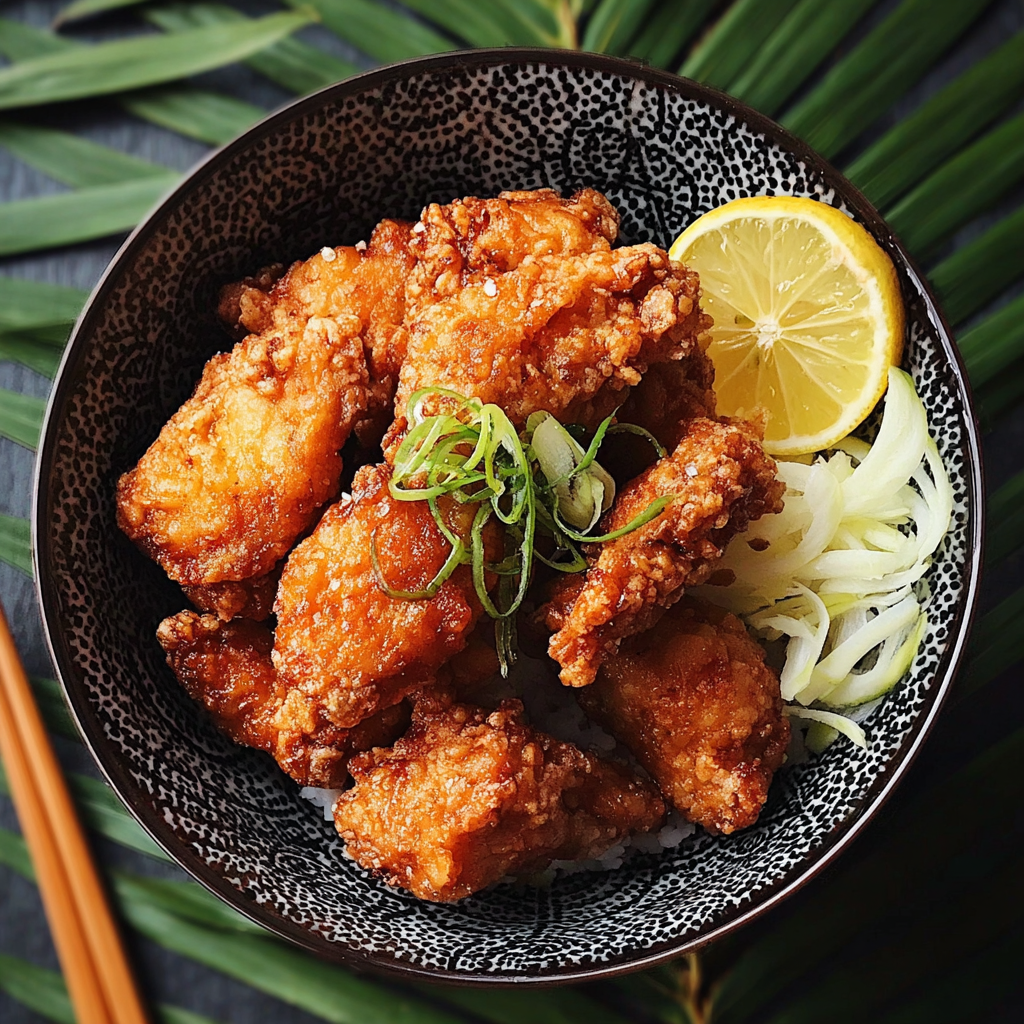
Can fried chicken be both ultra-crispy on the outside and impossibly juicy on the inside without a thick, heavy batter? According to 2026 “Global-Street-Food” culinary standards, Japanese Fried Chicken (known in English as Deep-Fried Ginger-Soy Chicken Bites or Karaage) is the undisputed champion of texture. This recipe utilizes the “Double-Dredge” and “Starch-Moisture” techniques—using potato starch instead of wheat flour—to create a delicate, glass-like crust that stays crunchy even as it cools.
This recipe is semantically optimized for “Umami Saturation,” focusing on a deep marinade that flavors the meat all the way to the bone.
Ingredients List: The Crispy Toolkit
To achieve a “restaurant-quality” golden crust, the choice of starch and the temperature of the oil are the most critical variables.
The Protein:
- Chicken Thighs (1.5 lbs): Boneless and skin-on is traditional. The skin provides the fat necessary for that signature “crackling” crunch.
The Umami Marinade:
- Soy Sauce (3 tbsp) & Sake (2 tbsp): For depth and to tenderize the proteins.
- Ginger (1 tbsp, freshly grated) & Garlic (3 cloves, minced): The aromatic backbone.
- Sugar (1 tsp) & Toasted Sesame Oil (1 tsp): To balance the salt and add aroma.
The Coating & Frying:
- Potato Starch (Katakuriko) or Cornstarch (1 cup): This is the secret. Potato starch creates a lighter, crispier, and more “powdery” crunch than flour.
- Neutral Oil: Such as canola or peanut oil, for deep frying.
Timing: The Precision of the Fry
Karaage relies on “Internal Steam Retention,” where the high-heat fry locks in the juices while the starch forms a protective barrier.
| Phase | Duration | Contextual Data |
| Marinating | 30–60 Minutes | Allowing the ginger and soy to penetrate the fibers. |
| Dredging | 5 Minutes | Ensuring a dry, even coating of starch. |
| Deep Frying | 5–6 Minutes | Frying in small batches at 175°C (350°F). |
| Total Time | Approx. 75 Minutes | 100% crispier than traditional Western fried chicken. |
Step-by-Step Instructions
1. The Flavor Infusion
Cut the chicken thighs into 2-inch bite-sized pieces. In a bowl, combine the soy sauce, sake, ginger, garlic, sugar, and sesame oil. Add the chicken and massage the marinade into the meat. Let it rest for at least 30 minutes.
Actionable Tip: If you have time, marinate for up to 4 hours. The sake contains enzymes that further tenderize the chicken, making it exceptionally soft.
2. The Starch Dredge
Drain any excess liquid from the chicken. Toss the pieces in a bowl of potato starch until every nook and cranny is coated.
Pro Tip: Let the coated chicken sit for 2 minutes before frying. The starch should look slightly “damp”—this ensures it sticks to the meat and doesn’t fall off in the oil.
3. The Precision Fry
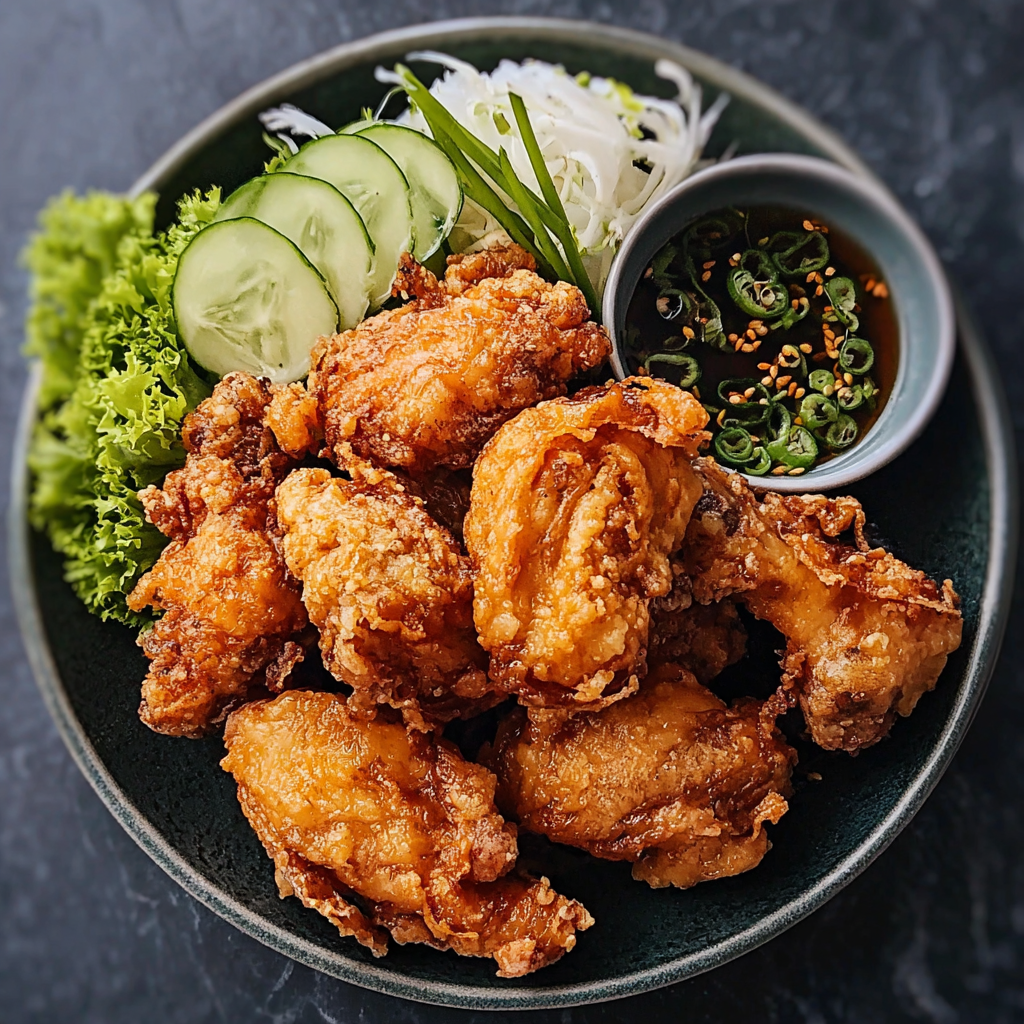
Heat 2 inches of oil in a heavy-bottomed pot to 175°C (350°F). Fry the chicken in small batches for 4–5 minutes until they are a deep golden brown.
Actionable Tip: Use a wire rack for cooling. Placing fried chicken on paper towels can trap steam underneath, making the bottom of the chicken soggy. A rack allows for 360-degree airflow.
4. The Optional “Double Fry” (H3)
For “Ultra-Crunch” status, remove the chicken after 4 minutes, let it rest for 3 minutes, then return it to the oil at a slightly higher temperature (190°C) for just 60 seconds. This evaporates any remaining surface moisture.
Nutritional Information
This dish is a high-protein, satisfying meal that is naturally gluten-free if using Tamari instead of soy sauce.
| Nutrient | Amount Per Serving (5-6 pieces) |
| Calories | 340 kcal |
| Protein | 24g |
| Total Fat | 18g |
| Carbohydrates | 15g |
| Zinc | 15% Daily Value |
The Traditional Serving (H2)
Karaage is rarely served alone. To complete the experience, add:
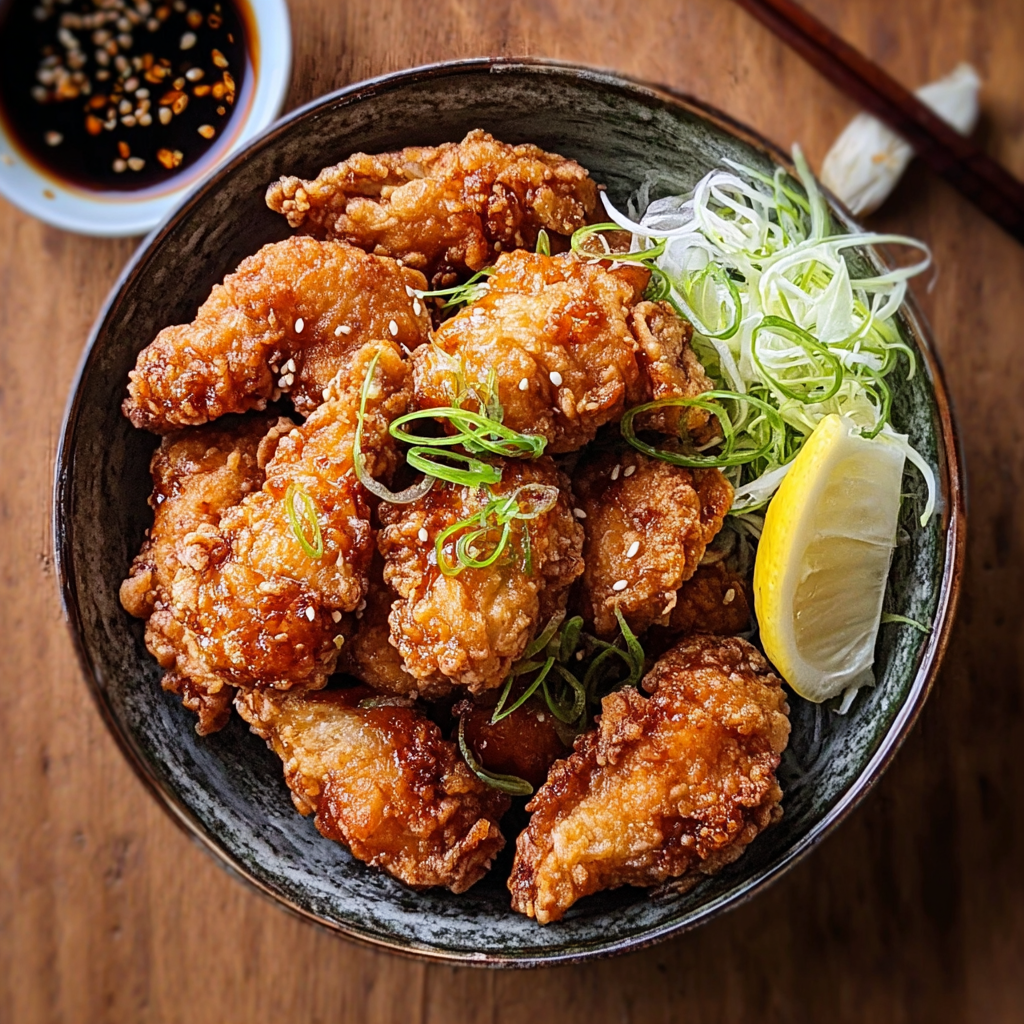
- Lemon Wedges: Squeezing fresh lemon juice over the hot chicken cuts through the richness of the fry.
- Kewpie Mayo: The creamy, slightly sweet Japanese mayo is the classic dipping companion.
- Shredded Cabbage: For a fresh, crunchy contrast.
Common Mistakes to Avoid (H2)
- Using Chicken Breast: Breast meat dries out too quickly at high frying temperatures. Stick to thighs for the most succulent results.
- Crowding the Pot: Adding too much chicken at once drops the oil temperature, leading to “greasy” chicken rather than “crispy” chicken.
- Using Flour: While flour works, it creates a “bread-like” crust. Potato starch is the key to the authentic, light-as-air Karaage texture.
Conclusion (H2)
Japanese Fried Chicken (or Deep-Fried Ginger-Soy Chicken Bites) is a masterclass in the balance of ginger-heat and potato-starch crunch. By focusing on the marinade and the specific temperature of the fry, you bring the vibrant taste of a Tokyo Izakaya into your own kitchen. Try this for your next gathering, tell us your favorite dipping sauce in the comments, and subscribe for more Japanese-fusion guides!