Follow Me On Social Media!

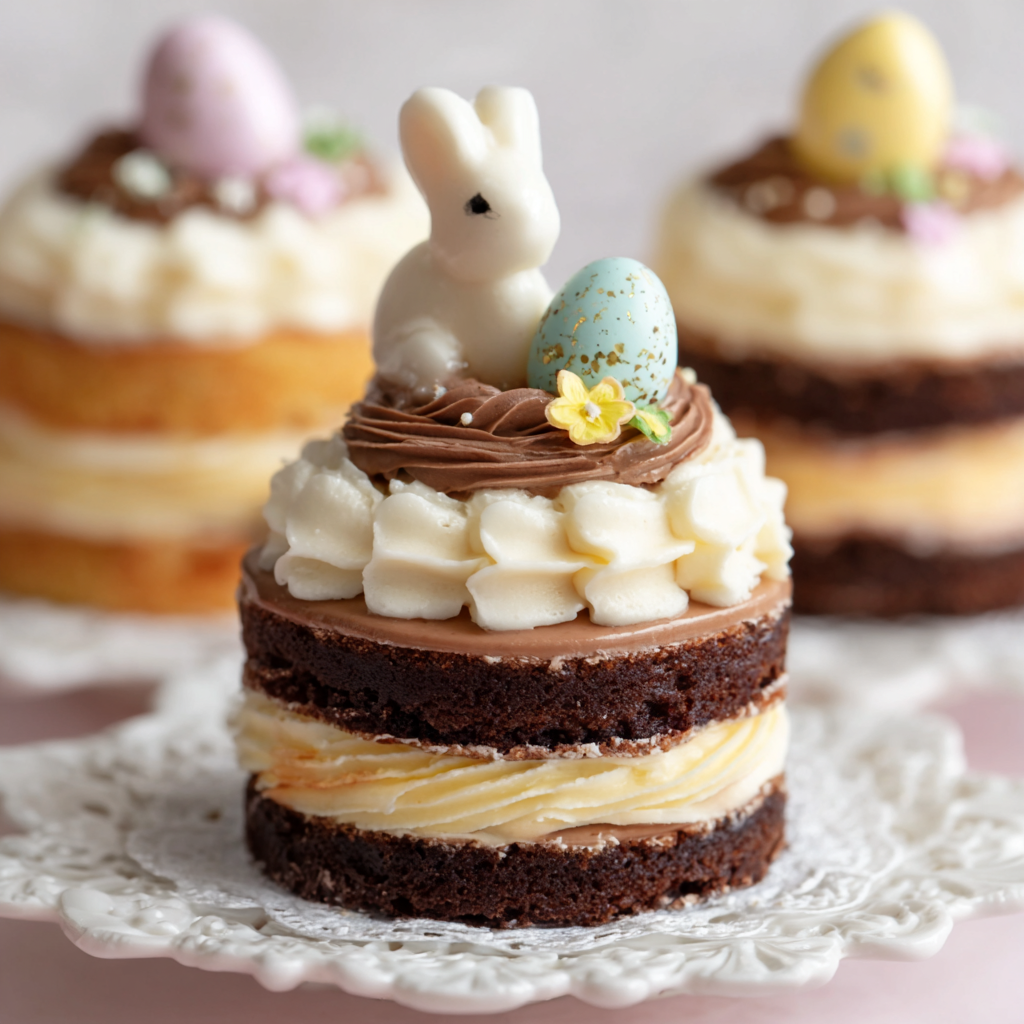
Mini Easter Layer Cakes

Introduction
Are you looking for a show-stopping dessert that’s both festive and easy to make this Easter? Mini cakes are trending in seasonal desserts, and these Mini Easter Layer Cakes combine vibrant colors, sweet flavors, and adorable presentation—all in bite-sized form.
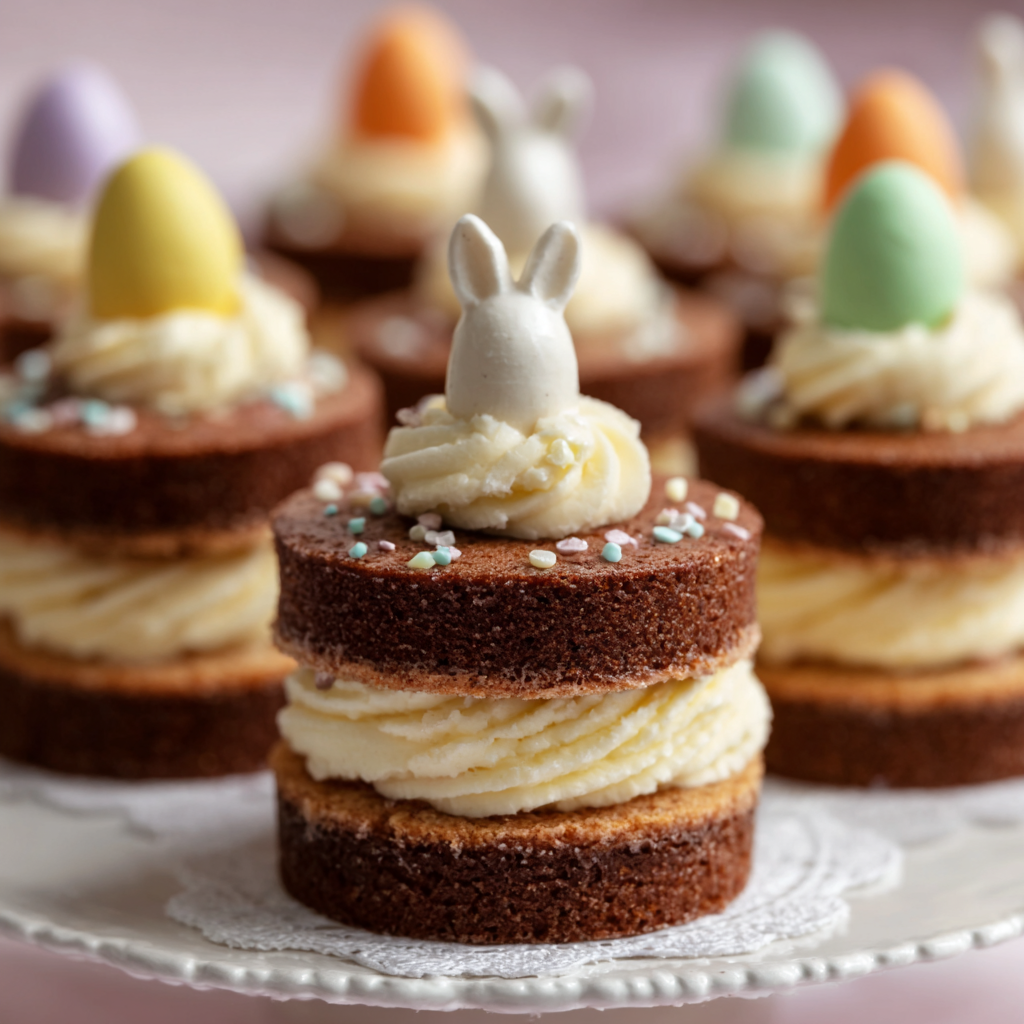
These mini layer cakes feature moist cake layers, creamy frosting, and fun pastel decorations, making them perfect for family gatherings, Easter brunches, or spring celebrations. With this recipe, you’ll learn how to create perfectly portioned, visually stunning cakes that impress without the stress of a large cake.
Whether you’re a seasoned baker or a beginner, these Mini Easter Layer Cakes are designed for ease, flavor, and festive flair.
NLP Keywords used: mini Easter cakes, layered Easter cake, festive spring desserts, small celebration cakes, colorful layer cakes, easy holiday cakes, pastel mini cakes.
Ingredients List
These mini layer cakes are simple, versatile, and customizable.
Cake Ingredients
- 1 ½ cups all-purpose flour
- 1 ½ teaspoons baking powder
- ¼ teaspoon salt
- ½ cup unsalted butter, softened
- 1 cup granulated sugar
- 2 large eggs
- 2 teaspoons vanilla extract
- ½ cup whole milk
- Food coloring (pastel colors of your choice)
Frosting Ingredients
- 1 cup unsalted butter, softened
- 3–4 cups powdered sugar
- 2 teaspoons vanilla extract
- 2–3 tablespoons milk or cream
- Optional: pastel-colored frosting for decoration
Decorations
- Sprinkles in Easter colors
- Mini chocolate eggs
- Edible flowers or candy decorations
Tip: Use simple decorations to keep cakes elegant but festive.
Substitution Ideas
- Use almond milk instead of whole milk for dairy-free version
- Swap butter for vegan butter in both cake and frosting
- Use gluten-free flour blend for gluten-free cakes
Timing
Making these Mini Easter Layer Cakes is quick compared to a full-sized cake.
| Stage | Time |
|---|---|
| Cake Prep | 10 minutes |
| Baking | 15–18 minutes per batch |
| Frosting Prep | 5 minutes |
| Assembling & Decorating | 15 minutes |
| Total Time | 45–55 minutes |
These cakes are about 50% faster to bake than a standard layer cake, making them ideal for last-minute celebrations.
Step-by-Step Instructions
Step 1: Prepare the Cake Batter
- Preheat oven to 350°F (175°C).
- Grease mini cake pans or line with cupcake liners.
- In a bowl, whisk together flour, baking powder, and salt.
- In another bowl, beat butter and sugar until light and fluffy.
- Add eggs one at a time, then vanilla.
- Alternate adding flour mixture and milk until smooth.
- Divide batter into portions and tint each with pastel food coloring.
Step 2: Bake the Mini Cakes
- Pour batter into mini cake pans (about ¼ full per layer).
- Bake 12–15 minutes, or until a toothpick inserted comes out clean.
- Let cakes cool completely before assembling.
Tip: For perfectly even layers, use a kitchen scale to portion the batter.
Step 3: Make the Frosting
- Beat softened butter until creamy.
- Gradually add powdered sugar, 1 cup at a time.
- Mix in vanilla and 2 tablespoons milk. Adjust consistency as needed.
- Tint frosting with pastel colors if desired.
Step 4: Assemble the Layers
- Place one mini cake layer on a serving plate.
- Spread a thin layer of frosting evenly.
- Top with next cake layer and repeat until all layers are stacked.
- Cover entire cake with a final coat of frosting.
Step 5: Decorate
- Add pastel sprinkles, mini chocolate eggs, or edible flowers.
- Use a piping bag for additional decorative frosting designs.
- Chill for 10–15 minutes to set frosting before serving.
Nutritional Information
Approximate values per mini cake (serving size: 1 cake):
| Nutrient | Amount |
|---|---|
| Calories | 250 |
| Carbohydrates | 35 g |
| Protein | 3 g |
| Fat | 12 g |
| Sugar | 25 g |
| Fiber | 1 g |
Nutritional Insights
- While indulgent, mini portions help control calorie intake.
- Using natural food coloring and fresh ingredients keeps the recipe closer to whole-food-based desserts.
- Frosting can be adjusted to reduce sugar while maintaining texture.
Healthier Alternatives for the Recipe
Lower Sugar Option
- Reduce sugar in cake by ¼ cup
- Use powdered erythritol in frosting
Lighter Frosting
- Replace half butter with Greek yogurt
- Use whipped cream cheese frosting for tang and lower calories
Gluten-Free Option
- Use 1:1 gluten-free flour blend in place of all-purpose flour
Serving Suggestions
Individual Treats
Serve mini cakes individually for portion control and charming presentation.
Dessert Table
Combine multiple mini cakes for a vibrant Easter display.
Pair with Drinks
- Hot tea or coffee
- Sparkling lemonade or pastel-colored mocktails
Common Mistakes to Avoid
Overfilling Pans
Overfilled pans cause cakes to spill over. Fill ¾ full for best results.
Frosting Warm Cakes
Warm cakes melt frosting. Ensure cakes are completely cooled.
Uneven Layers
Use a serrated knife to level cake layers if they dome while baking.
Too Much Decoration
Less is more for elegance—avoid overloading with sprinkles or candy.
Storing Tips for the Recipe
Refrigerator
Store fully frosted cakes in an airtight container for 2–3 days.
Freezing
Freeze unfrosted mini cakes for up to 1 month. Frost after thawing.
Assembly Ahead
Bake layers in advance and assemble the day of the event for freshness and stability.
Conclusion
These Mini Easter Layer Cakes are colorful, festive, and perfectly portioned for any celebration. With moist layers, creamy frosting, and playful decorations, they’re a crowd-pleaser for both kids and adults. Try this recipe, leave a comment on our blog, share your Easter creations, and subscribe for more seasonal dessert ideas.
FAQs
How many layers should each mini cake have?
Typically 2–3 layers work best for mini cakes.
Can I use boxed cake mix?
Yes, for convenience. Enhance with natural extracts or colors for a homemade feel.
How do I keep frosting from melting?
Ensure cakes are completely cooled and serve at room temperature or slightly chilled.
Can I make these ahead of time?
Yes, bake layers a day in advance and assemble/frost on the day of serving.
Can I use natural food coloring?
Absolutely. Beet juice, matcha powder, or turmeric provide safe, natural pastel colors.