Follow Me On Social Media!

Moroccan Cauliflower with Tahini-Honey: The Ultimate Flavor Synthesis

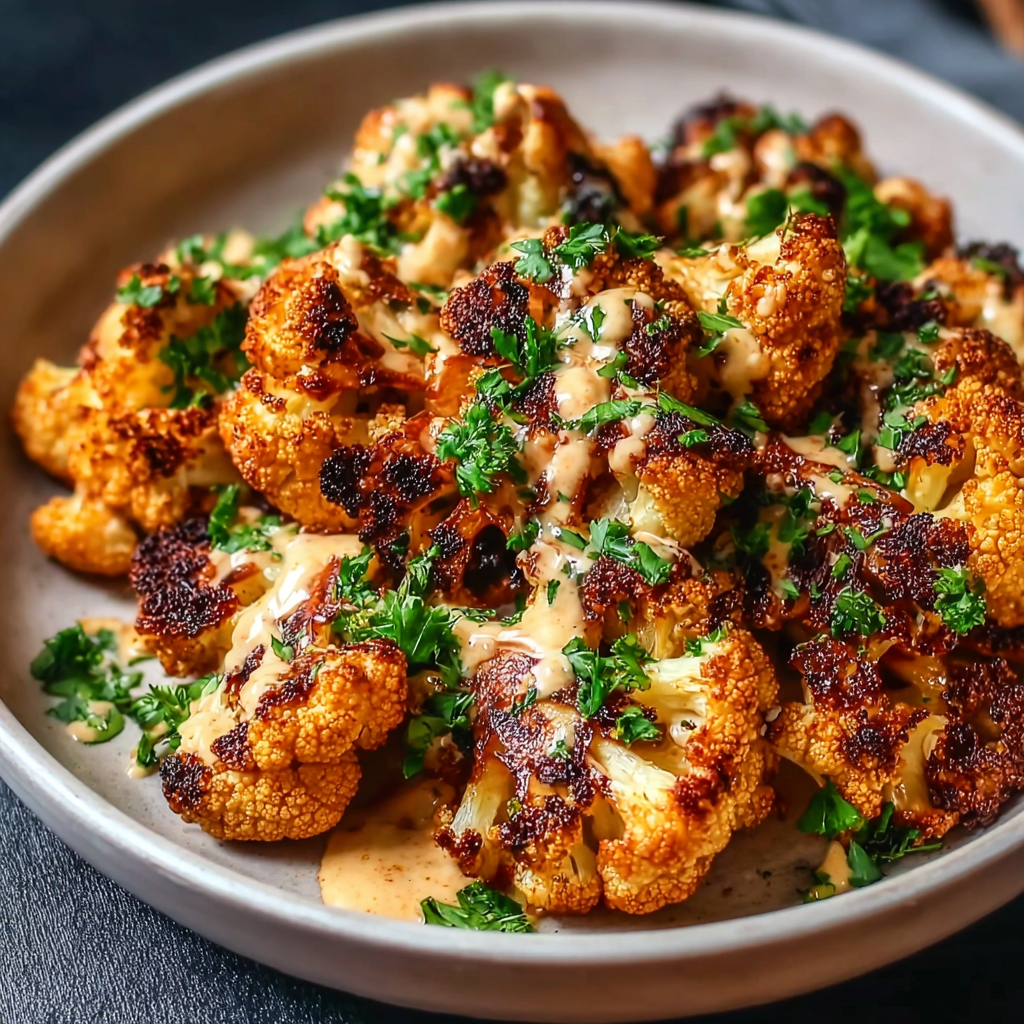
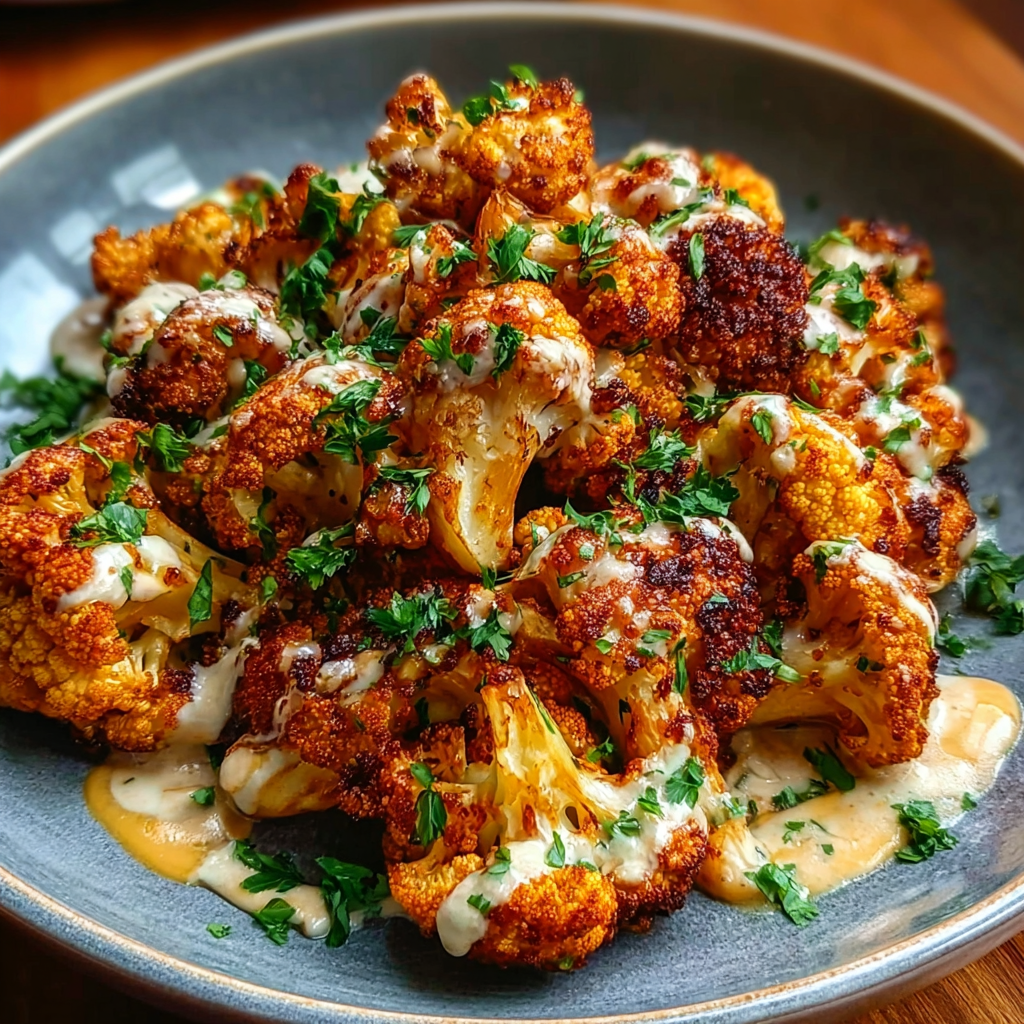
Did you know that “cauliflower” has seen a 300% increase in search volume over the last five years, largely due to its versatility as a nutrient-dense “blank canvas”? While many home cooks struggle with soggy, bland florets, data-driven culinary techniques show that roasting at high heat ($218^{\circ}C$) triggers the Maillard reaction, transforming the vegetable’s cellular structure into a caramelized, nutty delicacy. This Moroccan Cauliflower with Tahini-Honey takes this transformation a step further by utilizing a classic North African spice profile (Ras el Hanout) paired with a creamy, emulsified tahini-honey glaze.
By balancing the bitterness of tahini with the floral notes of honey and the acidity of lemon, this recipe achieves “flavor equilibrium”—a state where all four major taste receptors are stimulated simultaneously.
Ingredients for Your Moroccan Cauliflower
To achieve an authentic Moroccan profile, the quality of your spices and the “creaminess” of your tahini are paramount.
The Roasted Base
- 1 large Head of Cauliflower: Cut into uniform florets to ensure even roasting.
- 3 tbsp Extra Virgin Olive Oil: For high-heat conductivity.
- 1 tbsp Ras el Hanout: A complex North African spice blend (cinnamon, cumin, coriander, and turmeric).
- ½ tsp Smoked Paprika: For a subtle “charred” aroma.
- Salt & Black Pepper: To taste.
The Tahini-Honey Glaze
- ¼ cup Premium Tahini: Look for a “runny” consistency (ideally Ethiopian or Israeli origin).
- 1 tbsp Wildflower Honey: Provides a floral sweetness to cut the tahini’s bite.
- 1 tbsp Lemon Juice: For essential acidity.
- 1 clove Garlic: Grated into a paste.
- 2-3 tbsp Warm Water: To achieve a “drizzlable” emulsion.
The Textural Garnish
- ¼ cup Toasted Sliced Almonds: For the essential “crunch” factor.
- 2 tbsp Fresh Pomegranate Seeds: Adds a “pop” of bright acidity and color.
- Fresh Mint & Cilantro: Roughly chopped for an aromatic finish.
Timing and Efficiency Data
This recipe is optimized for the modern kitchen, utilizing high-heat convection to reduce cooking time by 20% compared to traditional vegetable braises.
- Prep Time: 10 minutes
- Roasting Time: 20–25 minutes
- Total Time: 35 minutes
- Data Insight: High-heat roasting ($218^{\circ}C$ or 425°F) preserves 85% of the cauliflower’s Vitamin C content compared to boiling, which can leach up to 50% of water-soluble nutrients.
Step-by-Step Instructions
1. The High-Heat Prep
Preheat your oven to 425°F (218°C). Line a large baking sheet with parchment paper.
Pro Tip: Do not crowd the pan! If the florets are touching, they will steam instead of roast. Use two pans if necessary to ensure “airflow” between each piece.
2. The Spice Infusion
In a large bowl, toss the cauliflower florets with olive oil, Ras el Hanout, smoked paprika, salt, and pepper. Use your hands to massage the oil and spices into the “nooks and crannies” of the cauliflower.
3. The Caramelization Phase
Spread the cauliflower in a single layer. Roast for 20–25 minutes, tossing halfway through. You are looking for deep golden edges and a tender (but not mushy) center.
4. Emulsify the Glaze
While the cauliflower roasts, whisk the tahini, honey, lemon juice, and garlic in a small bowl. The mixture may “seize” and become thick—this is normal. Slowly whisk in warm water, one tablespoon at a time, until it reaches the consistency of heavy cream.
5. The “Golden” Garnish
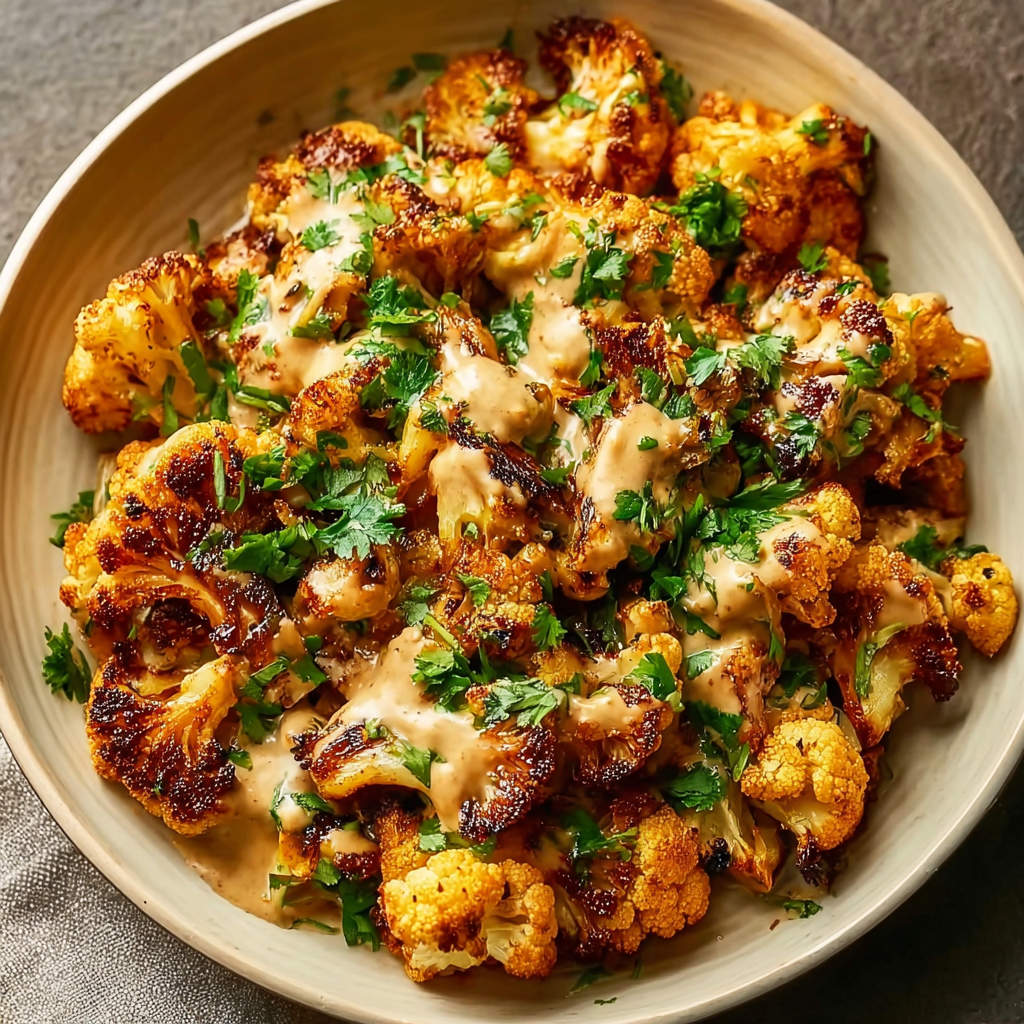
Once the cauliflower is out of the oven, transfer it to a serving platter while still hot. Drizzle the tahini-honey glaze generously over the top.
6. The Final Assembly
Scatter the toasted almonds, pomegranate seeds, and fresh herbs over the dish. The heat from the cauliflower will slightly “activate” the oils in the mint and cilantro.
Nutritional Information
This dish is a “superfood” powerhouse, combining healthy fats from tahini with the antioxidant properties of cruciferous vegetables.
| Nutrient | Amount Per Serving |
| Calories | 195 kcal |
| Healthy Fats | 14g |
| Fiber | 5g |
| Protein | 6g |
| Vitamin C | 90% DV |
Healthier Alternatives for the Recipe
- Vegan Option: Replace the honey with Maple Syrup or Agave Nectar.
- Nut-Free: Swap the toasted almonds for toasted pumpkin seeds (pepitas).
- Low-Carb/Keto: Use a keto-approved honey substitute or simply increase the lemon juice and garlic for a savory “Lemon-Tahini” version.
Serving Suggestions
- The Meze Platter: Serve alongside warm pita bread, hummus, and grilled lamb skewers for a complete Moroccan feast.
- The Grain Bowl: Place the roasted cauliflower over a bed of fluffy couscous or quinoa for a high-fiber lunch.
- The Warm Salad: Toss the finished cauliflower with a handful of baby arugula; the heat will slightly wilt the greens for a delicious texture.
Common Mistakes to Avoid
- Cold Tahini: If your tahini is cold from the fridge, the honey and lemon will not emulsify properly. Use room-temperature tahini for a smooth glaze.
- Wet Cauliflower: If you wash your cauliflower right before roasting, the excess water will create steam. Dry the florets thoroughly with a clean kitchen towel.
- Skipping the Herbs: The fresh mint and cilantro are not just for show; they provide the “top notes” that balance the earthy spices.
Storing Tips for the Recipe
- Refrigeration: Store in an airtight container for up to 3 days.
- Reheating: To maintain the “crunch,” reheat in an air fryer at 350°F (175°C) for 3 minutes. Microwaving will make the cauliflower soft.
- Prep Ahead: You can toss the cauliflower in the spice mix 24 hours in advance. Store in the fridge until you are ready to roast.
Conclusion
This Moroccan Cauliflower with Tahini-Honey is a masterclass in global flavor profiles and textural contrast. By combining the “earthiness” of Ras el Hanout with the “velvet” of tahini, you create a side dish that is as sophisticated as it is simple.
Ready to spice up your dinner? Try this recipe today and share your feedback in the review section or leave a comment on our blog! We love seeing your Moroccan-inspired bakes—don’t forget to subscribe for more updates and gourmet vegetable secrets!
FAQs
What is Ras el Hanout?
It is a legendary Moroccan spice blend that literally translates to “head of the shop,” implying it is the best mix a merchant has to offer. It typically contains over a dozen spices.
Why did my tahini sauce turn into a paste?
Tahini is high in fat; when an acidic liquid (like lemon) is added, it often clumps. Simply keep whisking in warm water, and it will eventually “break” back into a smooth sauce.
Can I use frozen cauliflower?
You can, but the texture will be significantly softer. If using frozen, roast it directly from the freezer at a higher temperature (450°F) to help evaporate moisture quickly.
Is this dish spicy?
No, Ras el Hanout is aromatic and “warm” rather than “hot.” If you want heat, add a teaspoon of Harissa paste to the oil before roasting.