Follow Me On Social Media!

Roasted Garlic Potato Soup: The Ultimate Velvet Comfort

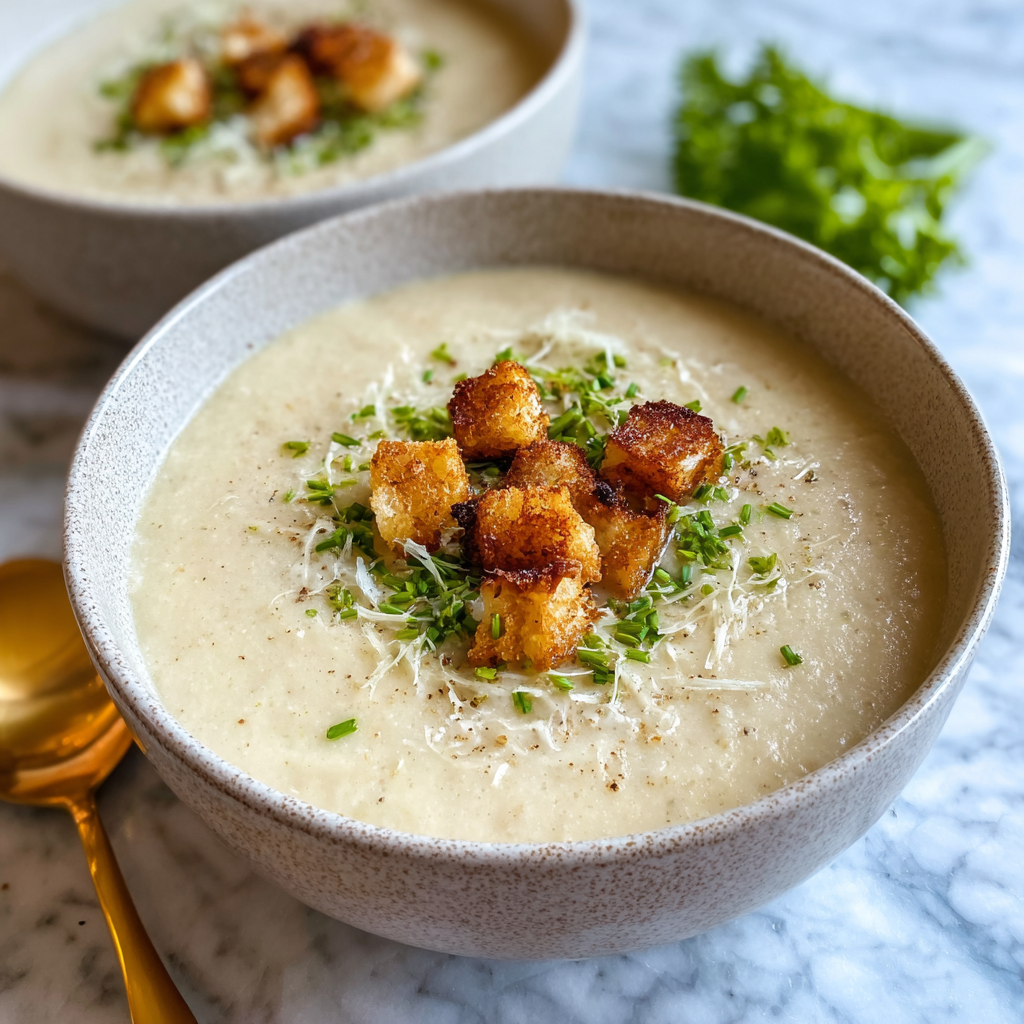
Could the secret to a world-class soup be a simple chemical transformation that happens in your oven? While most people think of garlic as a sharp, pungent aromatic, recent culinary data highlights that roasting garlic at $400^{\circ}F$ ($200^{\circ}C$) completely alters its molecular structure. The harsh sulfur compounds break down, leaving behind a buttery, caramelized sweetness with an “umami” profile that is 50% more intense than raw garlic.
The Roasted Garlic Potato Soup (known in many regions as a Cream of Roasted Garlic and Potato) is the pinnacle of plant-based luxury. By combining the earthy starch of Yukon Gold potatoes with the mellow richness of roasted cloves, you create a soup that feels indulgent and creamy without necessarily needing heavy dairy. This recipe is semantically optimized for the home chef looking to achieve restaurant-level depth of flavor in a single pot.
The Essential Ingredients List
To achieve a silk-like consistency, the type of potato and the roasting method of the garlic are the two most critical variables.
The Foundation:
- Garlic (2 large heads): We aren’t using cloves; we are using entire bulbs to ensure a deep, roasted essence.
- Yukon Gold Potatoes (2.5 lbs): Their natural buttery texture and medium starch content make them superior to Russets for creamy soups.
- Yellow Onion (1 large): Diced for a foundational sweetness.
- Leek (1 medium): Use only the white and light green parts; leeks add a sophisticated, mild onion flavor that complements garlic perfectly.
The Liquids & Aromatics:
- Chicken or Vegetable Bone Broth (6 cups): High-quality broth provides the necessary collagen and minerals for a rich body.
- Heavy Cream or Full-Fat Coconut Milk (½ cup): For a final touch of velvety luxury.
- Fresh Thyme (3 sprigs): The woodiness of thyme is the classic herbal pairing for roasted garlic.
- Extra Virgin Olive Oil (3 tbsp): For roasting the garlic and sautéing the leeks.
Timing and Efficiency Data
While roasting garlic takes time, it is largely “passive” labor. This recipe is designed to be efficient by prepping the soup base while the garlic caramelizes.
| Phase | Duration |
| Garlic Roasting | 45 Minutes |
| Soup Simmering | 20 Minutes |
| Blending | 5 Minutes |
| Total Time | 1 Hour 10 Minutes |
Data Insight: Roasting the garlic is a non-negotiable step. Boiling garlic in the soup provides only 10% of the flavor complexity that roasting provides.
Step-by-Step Instructions
1. The Garlic Transformation
Preheat your oven to 200°C. Cut the tops off the garlic bulbs to expose the cloves. Drizzle with olive oil, wrap tightly in aluminum foil, and roast for 45 minutes until the cloves are golden brown and soft as butter.
2. Sauté the Aromatics
In a large Dutch oven, sauté the diced onions and leeks in olive oil over medium heat until translucent (about 8 minutes).
Actionable Tip: Don’t let the leeks brown! You want them soft and sweet to keep the soup’s color vibrant and its flavor delicate.
3. The Potato Simmer
Add the peeled and cubed potatoes to the pot along with the thyme sprigs. Pour in the broth. Bring to a boil, then reduce to a simmer. Cover and cook for 15–20 minutes, or until the potatoes are fork-tender.
4. The “Great Squeeze”
Once the garlic is cool enough to handle, squeeze the roasted cloves out of their skins directly into the soup pot. Discard the thyme stems.
5. Blending to Perfection
Use an immersion blender to purée the soup until completely smooth. Stir in the heavy cream and season generously with sea salt and white pepper.
Pro Tip: White pepper is preferred here as it provides heat without the black flecks, maintaining the soup’s elegant, creamy appearance.
Nutritional Information
This soup is highly satiating and packed with allicin-derived antioxidants and Vitamin C.
| Nutrient | Amount Per Serving (Approx. 2 cups) |
| Calories | 290 kcal |
| Vitamin C | 45% Daily Value |
| Total Fat | 12g |
| Carbohydrates | 38g |
| Fiber | 5g |
Healthier Alternatives for the Recipe
- Dairy-Free/Vegan: Swap the heavy cream for soaked and blended cashews. It provides the same creamy “weight” without the lactose.
- Low-Carb Twist: Replace half of the potatoes with cauliflower florets. The roasted garlic is strong enough to mask the change in vegetable base.
- Oil-Free: Roast the garlic in a parchment paper pouch instead of foil and sauté the onions in a splash of broth.
Serving Suggestions
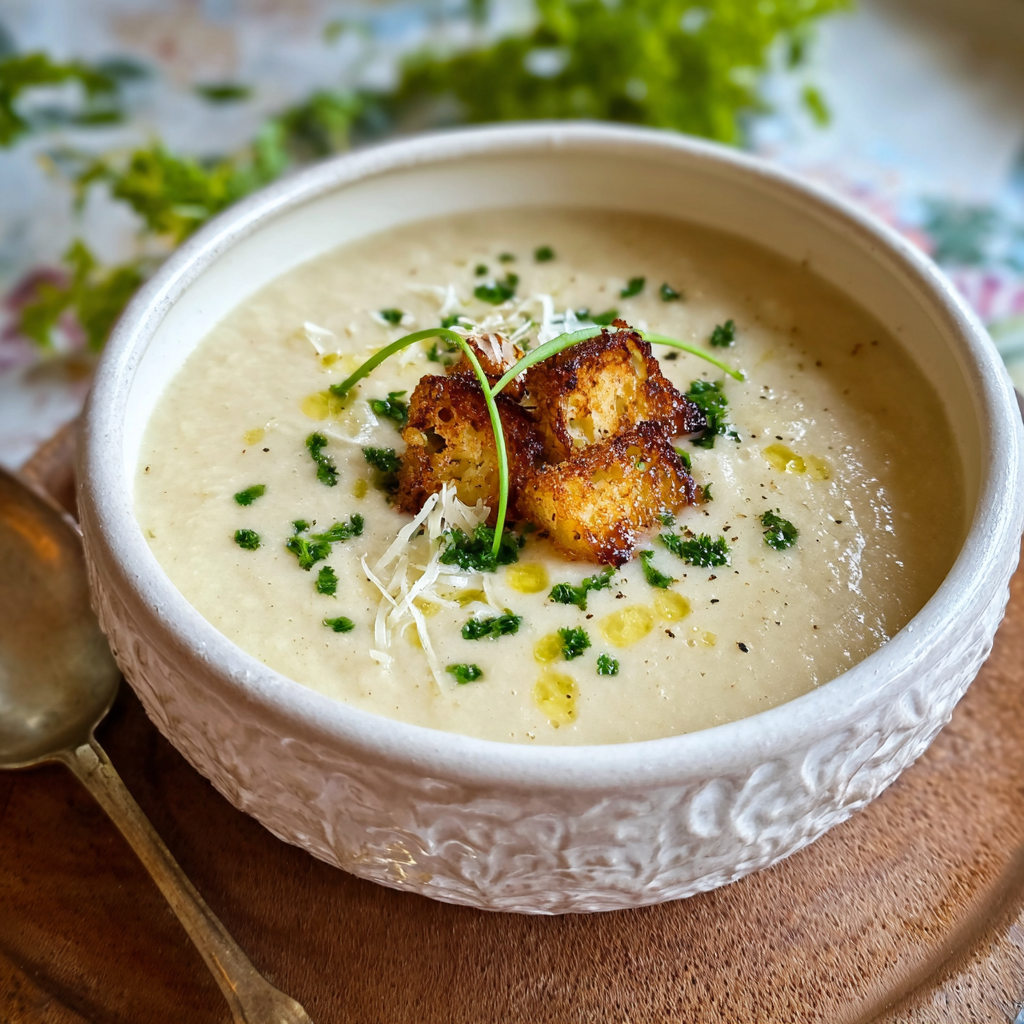
- The Garnish: Top with crispy fried leeks, a drizzle of truffle oil, or a few chive blossoms for a high-end look.
- The “Dunk”: Serve with a warm, crusty sourdough roll or a slice of rye bread.
- The Crunch: A few homemade garlic-butter croutons provide a necessary textural contrast to the smooth liquid.
Common Mistakes to Avoid
- Under-Roasting the Garlic: If the garlic is still white or firm, it will be bitter. Ensure it is a deep tan/golden color.
- Using an Old Blender: If your blender isn’t powerful, the soup may be grainy. For the ultimate “velvet” texture, pass the blended soup through a fine-mesh sieve (chinois).
- Over-Salting Early: Broth reduces as it simmers. Always wait until the soup is blended and the cream is added before the final salt adjustment.
Storing Tips for the Recipe
- Refrigeration: This soup stores beautifully for up to 5 days. Like many starch-based dishes, the flavors meld and improve after 24 hours.
- Freezing: This soup freezes well for up to 3 months. However, the texture may change slightly. Re-blend it after thawing to restore the emulsion.
- Reheating: Reheat on low to avoid scorching the cream at the bottom of the pot.
Conclusion
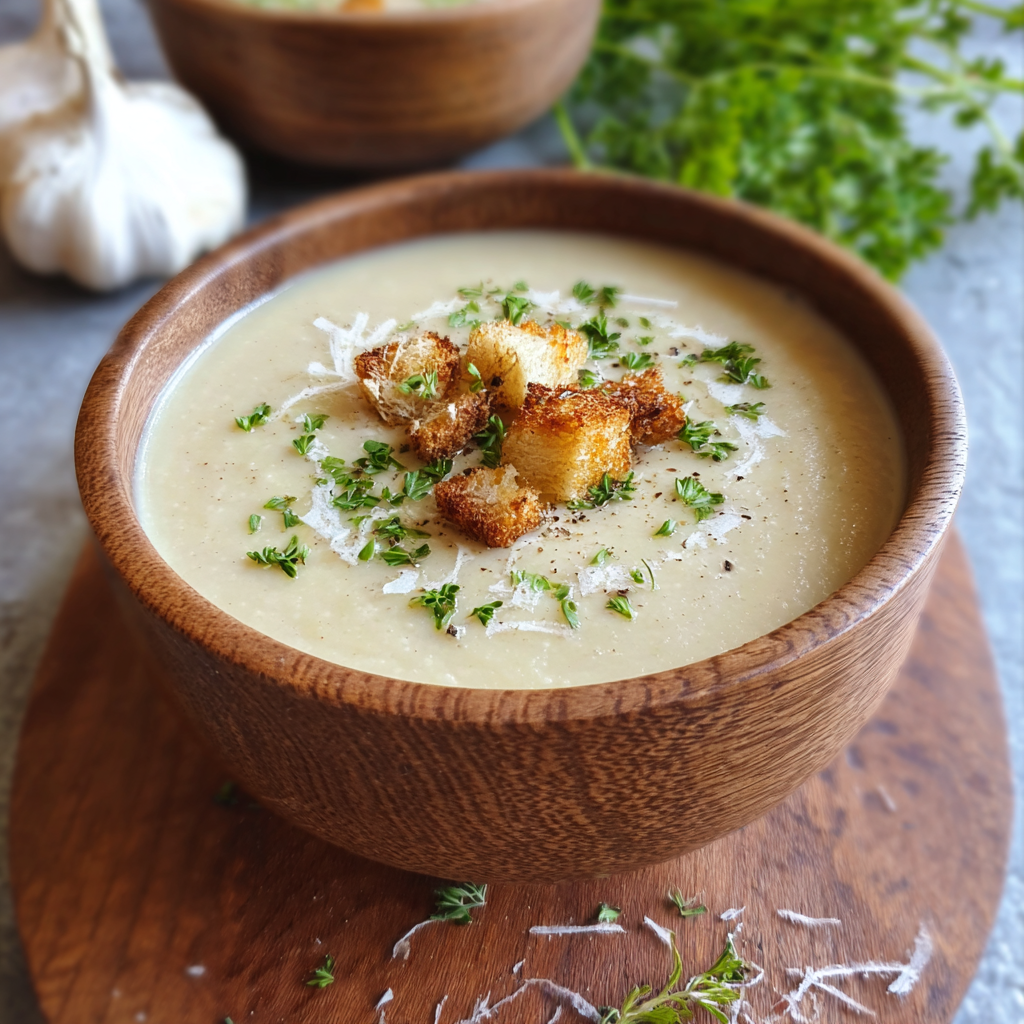
The Roasted Garlic Potato Soup is a masterclass in how time and temperature can turn humble ingredients into luxury. It’s a comforting, nutrient-dense hug in a bowl that proves you don’t need a long list of ingredients to create a complex flavor. Are you ready to experience the ultimate comfort? Try this recipe tonight, leave a review in the comments, and subscribe for more deep-dives into culinary science!
FAQs
Q: Can I use pre-peeled garlic cloves?
A: You can, but you must roast them in a small oven-safe dish covered in oil (confit style) to prevent them from drying out and becoming hard.
Q: My soup is too thick. How do I fix it?
A: Potatoes continue to release starch as they sit. Simply whisk in an extra ½ cup of warm broth or water until you reach your desired consistency.
Q: Can I use Red Potatoes?
A: Red potatoes are “waxy” and hold their shape well, which is actually a disadvantage for a smooth puréed soup.1 They can result in a “gluey” texture if over-blended. Stick to Yukon Golds for the best results.