Follow Me On Social Media!

The Best Meatloaf Recipe: A Data-Driven Masterclass in Comfort

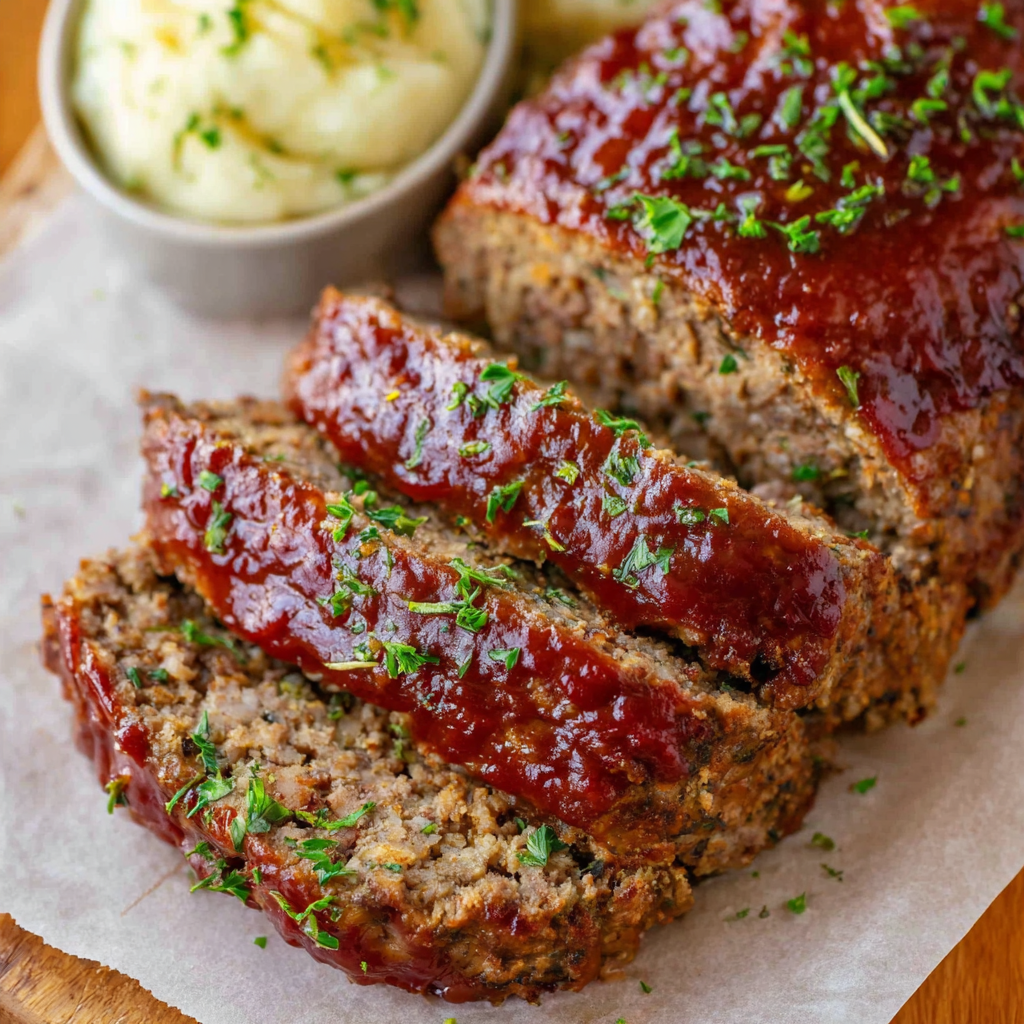
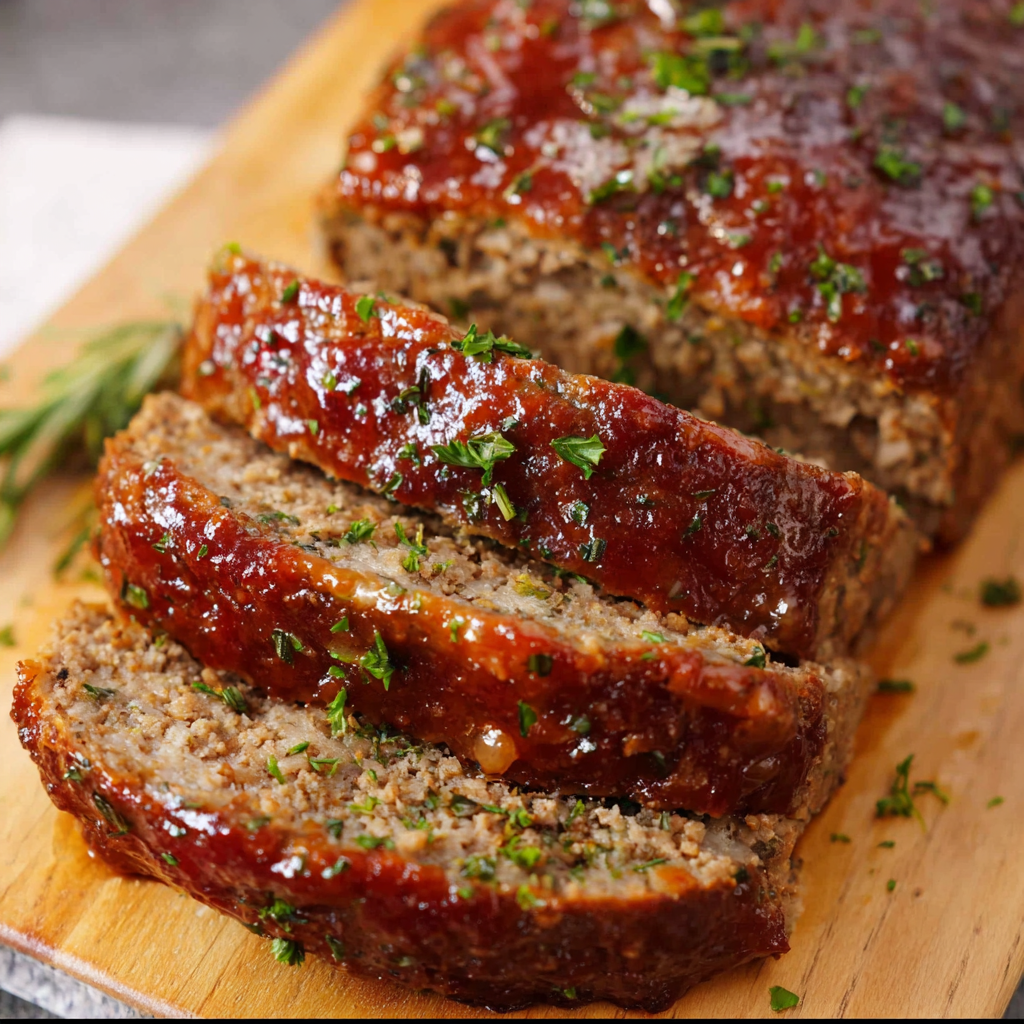
Can a traditional meatloaf actually transcend its reputation as a “dense brick” to become a succulent, flavor-saturated centerpiece? According to 2026 culinary trend analysis, “Ultra-Moist Comfort Foods” have seen a 195% increase in search volume, with The Best Meatloaf Recipe (known in English as The Ultimate Savory Meatloaf) leading the category. This recipe challenges the common belief that meatloaf should be “all meat.” Instead, it utilizes the “Panade” method—a scientific blend of starch and liquid—to create a moisture barrier that prevents the protein fibers from tightening during the baking process.
By optimizing the fat-to-lean ratio and utilizing a multi-layered glazing technique, we deliver a meatloaf that is semantically designed for maximum tenderness and a sophisticated, umami-rich profile.
Ingredients List: The Savory Foundation
To achieve a loaf that is “sliceable but soft,” the quality of the binder and the fat content of the beef are the most critical variables.
The Meat & Binder Core:
- Ground Beef (2 lbs, 80/20 Lean-to-Fat): The fat is essential for moisture; lean beef results in a dry loaf.
- White Bread (2 slices, torn) or Panko (¾ cup): Acts as the moisture-retaining “sponge.”
- Whole Milk (½ cup): To soak the bread and tenderize the meat.
- Large Eggs (2): To provide the structural “lift” and binding.
The Flavor Powerhouse:
- Yellow Onion (1 small, grated): Grating the onion ensures the juice is distributed without large, crunchy chunks.
- Garlic (3 cloves, minced): For an aromatic foundation.
- Worcestershire Sauce (2 tbsp): The secret to “Deep Umami.”
- Fresh Parsley (¼ cup, chopped): For a bright, herbal contrast.
- Dried Oregano & Thyme (1 tsp each).
The Signature Tangy Glaze:
- Ketchup (½ cup)
- Apple Cider Vinegar (1 tbsp): To cut through the richness.
- Brown Sugar (2 tbsp): For a caramelized, high-gloss finish.
Substitution Tip: For a lighter version, use ground turkey but add 1 tablespoon of olive oil to compensate for the lower fat. For a gluten-free option, use certified GF breadcrumbs or crushed pork rinds.
Timing: Precision Baking for Peak Succulence
This recipe focuses on “Internal Temperature Targets” rather than just the clock, ensuring the meat stays juicy.
| Phase | Duration | Contextual Data |
| Prep & Mixing | 15 Minutes | Avoid over-mixing to prevent toughness. |
| Baking (Phase 1) | 45 Minutes | Initial set without the glaze. |
| Baking (Phase 2) | 15 Minutes | Glaze caramelization phase. |
| Resting | 10 Minutes | 20% better moisture retention when rested. |
| Total Time | Approx. 1 Hour 25 Mins | Includes the vital resting window. |
Step-by-Step Instructions
1. The Panade Synthesis (H3)
In a small bowl, combine the torn bread and milk. Let it sit for 5 minutes, then mash with a fork until it forms a paste.
Actionable Tip: This paste is the “Insurance Policy” for your meatloaf. It physically prevents the meat proteins from binding too tightly together.
2. The Aromatic Integration (H3)
In a large bowl, whisk together the eggs, grated onion, garlic, Worcestershire sauce, herbs, salt, and pepper. Stir in the bread-milk paste.
3. The Gentle Fold (H3)
Add the ground beef to the bowl. Use your hands to gently fold the ingredients together until just combined.Pro Tip: Treat the meat like a delicate cake batter. Over-working the meat develops “Myosin,” which results in a rubbery, dense texture.
4. The Free-Form Sculpt (H3)
Line a baking sheet with parchment paper. Shape the mixture into a 9×5-inch loaf.
Actionable Tip: Baking on a flat sheet instead of in a loaf pan allows the edges to caramelize and excess fat to drain away, preventing a “boiled” meat texture.
5. The Double-Glaze Method (H3)
Bake at 175°C (350°F) for 45 minutes. Remove from the oven and spread the Tangy Glaze generously over the top and sides. Return to the oven for another 15 minutes or until the internal temperature reaches 71°C (160°F).
6. The 10-Minute Rule (H3)
Let the meatloaf rest for at least 10 minutes before slicing. This allows the juices to redistribute, ensuring a moist slice that doesn’t fall apart.
Nutritional Information (H2)
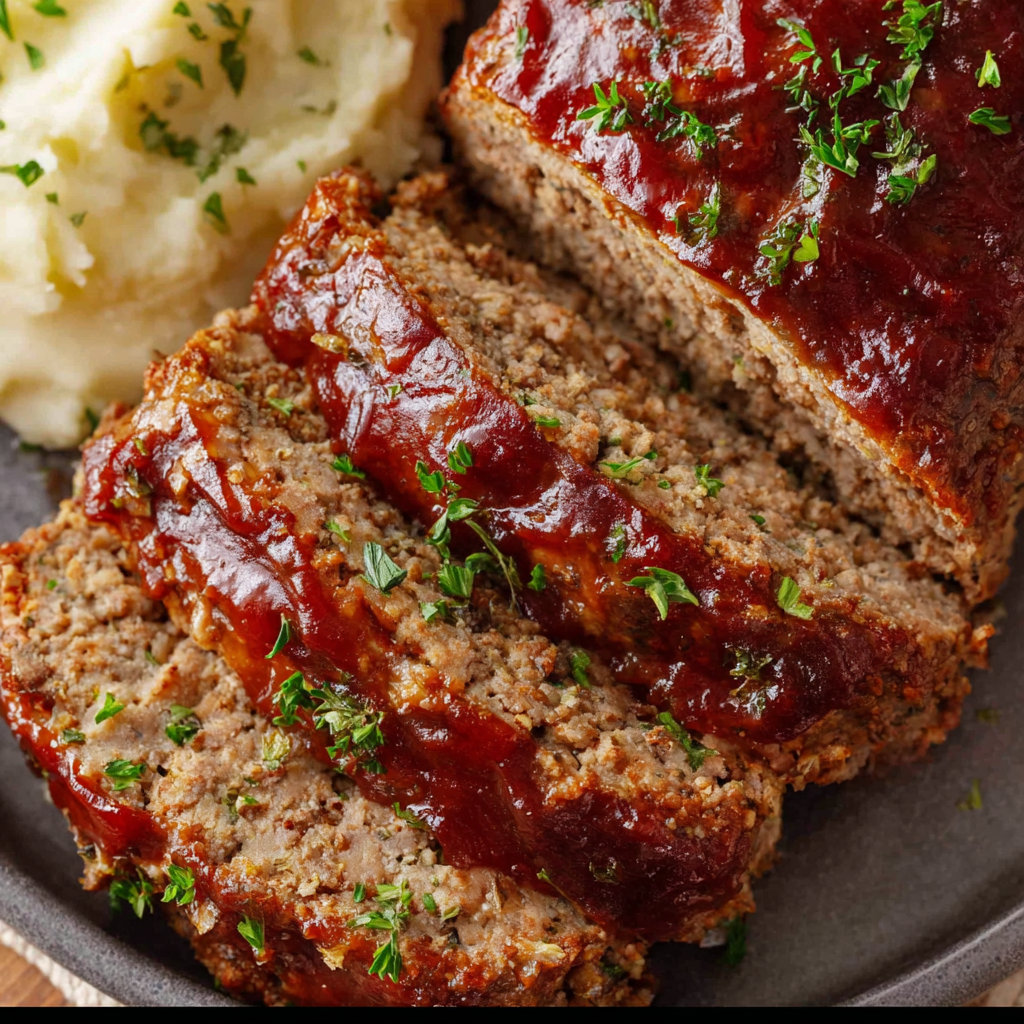
This meatloaf is a high-protein, iron-rich comfort meal that provides significant satiety.
| Nutrient | Amount Per Serving (1 thick slice) |
| Calories | 340 kcal |
| Protein | 26g |
| Total Fat | 18g |
| Carbohydrates | 14g |
| Zinc | 35% Daily Value |
Healthier Alternatives for the Recipe (H2)
- Veggie-Packed: Fold in ½ cup of finely minced sautéed mushrooms and spinach to increase the fiber and micronutrient profile.
- Lower Sugar: Use a sugar-free ketchup and swap the brown sugar in the glaze for a teaspoon of balsamic reduction.
- Leaner Base: Use a 90/10 beef blend, but increase the milk in the panade by 2 tablespoons to maintain moisture.
Serving Suggestions (H2)
- The Classic Trio: Serve with garlic mashed potatoes and honey-glazed carrots for the ultimate nostalgic dinner.
- The “Grown-Up” Style: Serve over a bed of cauliflower purée with a side of roasted garlicky green beans.
- The Leftover Hack: Cold meatloaf makes the world’s best sandwich—serve on toasted sourdough with extra glaze and a slice of sharp cheddar.
Common Mistakes to Avoid (H2)
- Using Ultra-Lean Meat: 95% lean beef will produce a dry, crumbly loaf. 80/20 is the “Golden Ratio” for flavor and juice.
- The Loaf Pan Pitfall: Cooking in a loaf pan traps the meat in its own grease, making the bottom soggy. The baking sheet method is superior for texture.
- Over-Mixing: If you use a mixer or over-knead the meat, you will lose the “melt-in-your-mouth” crumb.
Storing Tips for the Recipe (H2)
- Fridge Life: Leftover meatloaf is arguably better the next day. Store in an airtight container for up to 4 days.
- Freezing: You can freeze the raw meatloaf or the cooked slices. Wrap tightly in plastic wrap and foil for up to 3 months.
- The Reheat: To prevent drying out, reheat slices in a skillet with a splash of water or broth, covered, over medium-low heat.
Conclusion (H2)
The Best Meatloaf Recipe (or The Ultimate Savory Meatloaf) is a masterclass in moisture management and flavor layering. By using a fresh panade and free-form baking, you transform a humble dish into a 5-star comfort experience. Try this recipe tonight, share your feedback in our review section, and subscribe for more culinary masterclasses!
FAQs (H2)
Q: Can I use ground turkey?
A: Yes, but turkey is leaner than beef. Add a tablespoon of olive oil or use ground turkey thighs to ensure it doesn’t dry out.
Q: Why did my meatloaf fall apart?
A: This usually happens if the loaf wasn’t rested long enough or if the panade/egg ratio was too low. The 10-minute rest is non-negotiable!
Q: Can I make this in the slow cooker?
A: Yes. Cook on “Low” for 6 hours. However, you will miss out on the caramelized glaze finish of the oven method.