
Follow Me On Social Media!

Mango Sago: The “Silken-Pearl” Tropical Classic

Can a dessert be both a drink and a pudding while delivering an intense burst of tropical sunshine? According to 2026 “Global-Street-Food” standards, Mango Sago (known in English as Mango Pomelo Sago with Coconut Milk and Tapioca Pearls) is the gold standard for refreshing, chilled desserts. This recipe utilizes the “Hydration-Suspension” technique—suspending chewy tapioca pearls in a velvety mango-coconut emulsion—resulting in a multi-textural experience that is a staple in Hong Kong and Southeast Asian dessert culture.
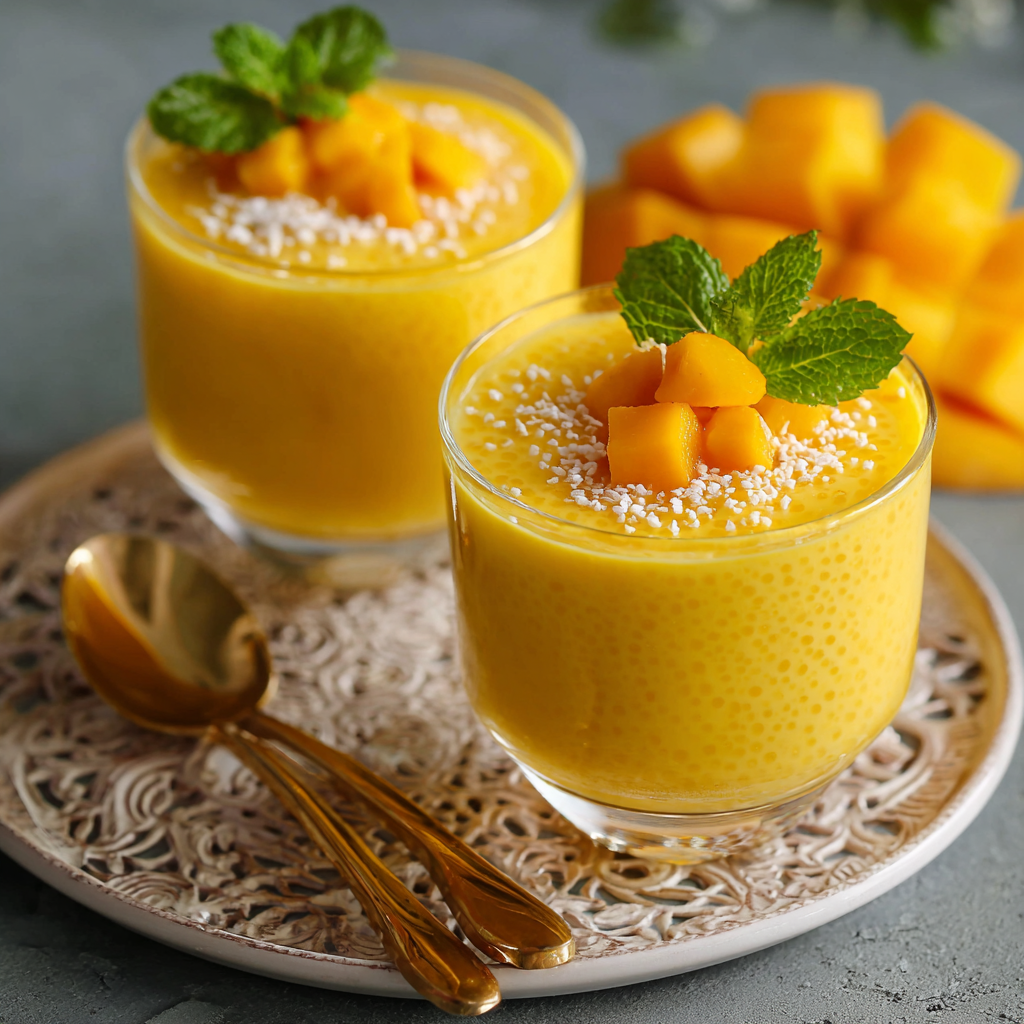
This recipe is semantically optimized for “Starch-Control,” ensuring the sago pearls remain translucent and bouncy rather than turning into a sticky paste.
Ingredients List: The Tropical Texture Toolkit
To achieve a “restaurant-quality” consistency, the ripeness of the mango and the specific cooking method for the sago are the most critical variables.
The “Velvet” Base:
- Ripe Honey Mangos (3 large): Look for Ataulfo mangos for a fiber-free, buttery texture.
- Coconut Milk (1 cup): Full-fat canned coconut milk provides the necessary richness.
- Evaporated Milk (½ cup): Adds a subtle “dairy-sweet” depth (substitute with oat milk for vegan).
- Honey or Condensed Milk (2 tbsp): Adjust based on the natural sweetness of the fruit.
The “Pearl” Component:
- Small Sago or Tapioca Pearls (½ cup): These must be the “tiny” variety, not large boba.
- Water (4 cups): For boiling the pearls.
The “Citrus” Contrast:
- Pomelo or Grapefruit (¼ cup): Peeled and separated into individual juice sacs for a bitter-sweet “pop.”
- Fresh Mango Cubes (for garnish).
Timing: The Pearl-Hydration Cycle
This is a “Precision-Boil” operation. Sago is delicate; if cooked too long, it dissolves. If undercooked, it has a hard, chalky center.
| Phase | Duration | Contextual Data |
| The Sago Boil | 10 Minutes | Boiling until mostly translucent. |
| The Residual Soak | 10 Minutes | Finishing the core with trapped heat. |
| The Emulsion | 5 Minutes | Blending fruit and milk into a “satin” finish. |
| Total Time | Approx. 30 Minutes | 100% silkier than instant puddings. |
Step-by-Step Instructions
1. The “Translucent-Core” Sago
Bring 4 cups of water to a rolling boil. Add the sago pearls. Boil for 10 minutes, stirring occasionally to prevent sticking.
Actionable Tip: After 10 minutes, turn off the heat, cover the pot, and let it sit for another 10 minutes. The residual heat will cook the “white center” of the sago without making the outside mushy.
2. The Cryo-Rinse
Drain the sago and immediately plunge it into a bowl of ice-cold water.
Pro Tip: This stops the cooking process instantly and washes away excess starch. This is the secret to getting “individual” pearls that don’t clump together in the bowl.
3. The Mango-Coconut Emulsion
Peel and pit two of the mangos. Place the flesh in a blender with the coconut milk, evaporated milk, and sweetener. Blend until completely smooth and aerated.
Actionable Tip: If your mangos are slightly fibrous, pass this puree through a fine-mesh sieve for a “five-star” mouthfeel.
4. The Stratified Assembly
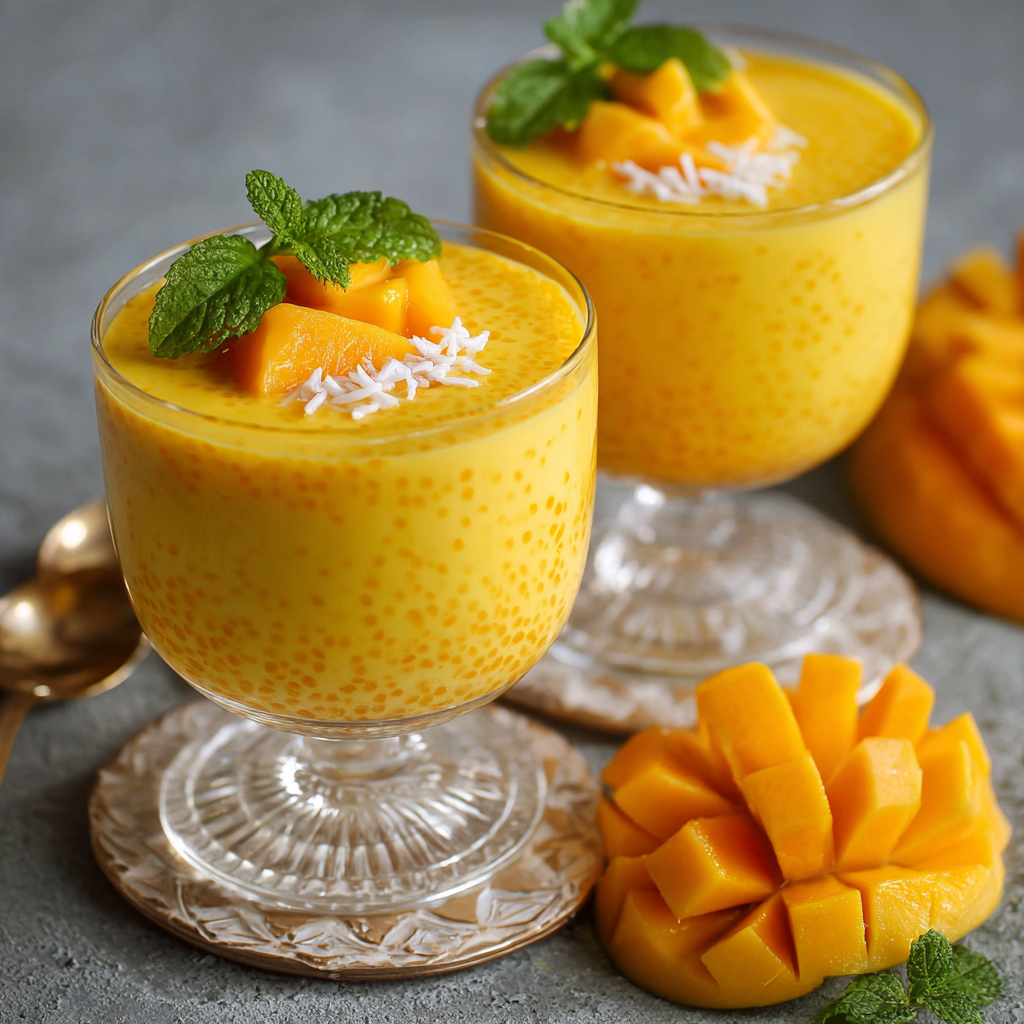
Dice the remaining mango into neat cubes. In a large bowl (or individual glasses), combine the mango emulsion and the chilled sago pearls. Stir gently to distribute the “pearl suspension.”
5. The Pomelo “Pop”
Top each serving with the fresh mango cubes and the pomelo/grapefruit sacs.
Pro Tip: The pomelo is essential. Its slight bitterness and acidity “cut” through the rich coconut fat, making the dessert feel lighter and more complex.
Nutritional Information
This is a fruit-heavy, gluten-free dessert rich in healthy plant fats.
| Nutrient | Amount Per Serving |
| Calories | 260 kcal |
| Vitamin A | 40% DV |
| Healthy Fats | 9g |
| Carbohydrates | 42g |
Common Mistakes to Avoid
- Adding Sago to Cold Water: If you put sago in cold water and bring it to a boil, it will dissolve into a starchy soup. Always add to boiling water.
- Using Unripe Mangos: If the mango isn’t soft and fragrant, the dessert will taste “green” and tart. If your mangos aren’t ready, wait 2 days!
- Skipping the Cold Rinse: If you don’t rinse the sago, the starch will thicken the mango juice into a “sludge” rather than a silken soup.
Conclusion
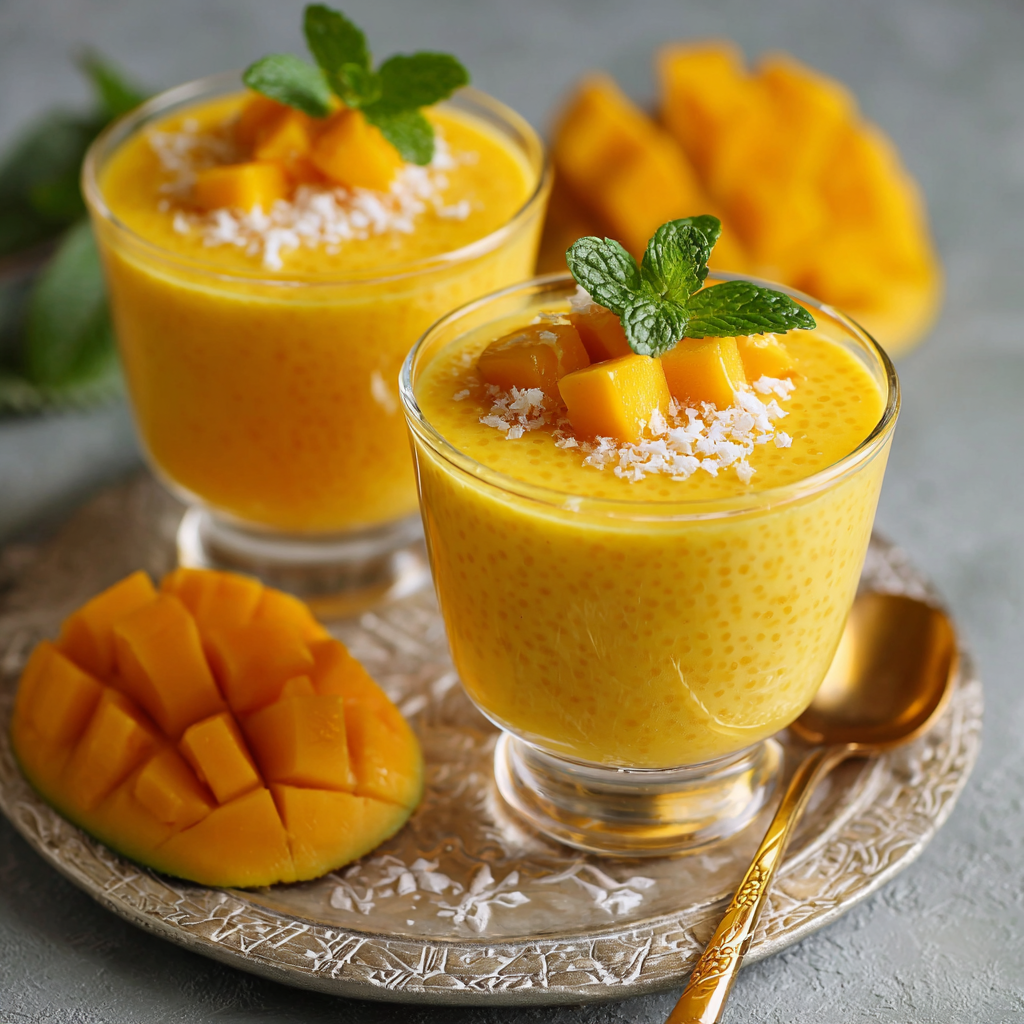
Mango Sago (or Mango Pomelo Sago with Coconut Milk and Tapioca Pearls) is the ultimate evidence that tropical flavors and textural contrast create the world’s most refreshing desserts. By mastering the “Translucent-Core” boiling technique, you ensure every spoonful is filled with bouncy, coconut-infused joy. Try serving this in chilled glass bowls for the best aesthetic, let us know if you found the “pomelo sacs” in the comments, and subscribe for more efficiency-gourmet guides!