Follow Me On Social Media!

Mediterranean Roasted Cauliflower: The “Golden-Char” Vegetable Masterclass

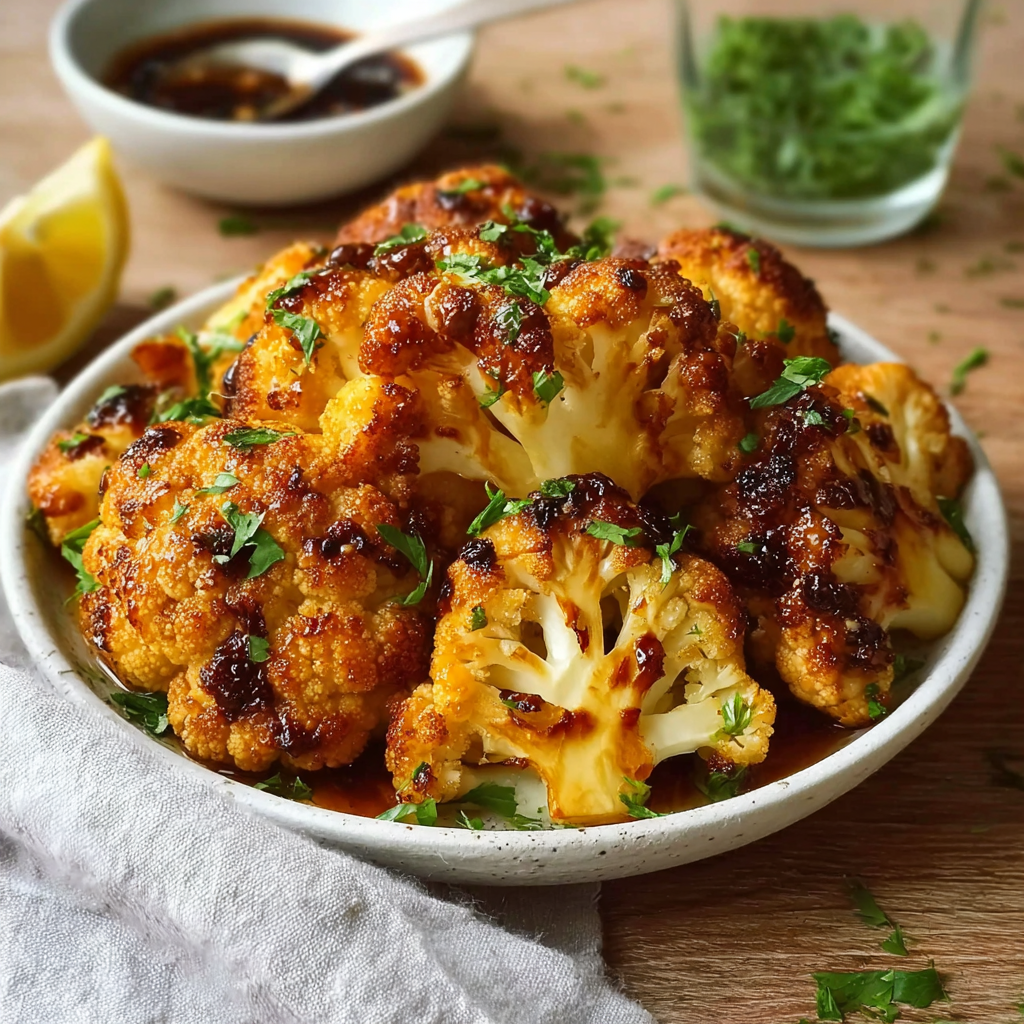
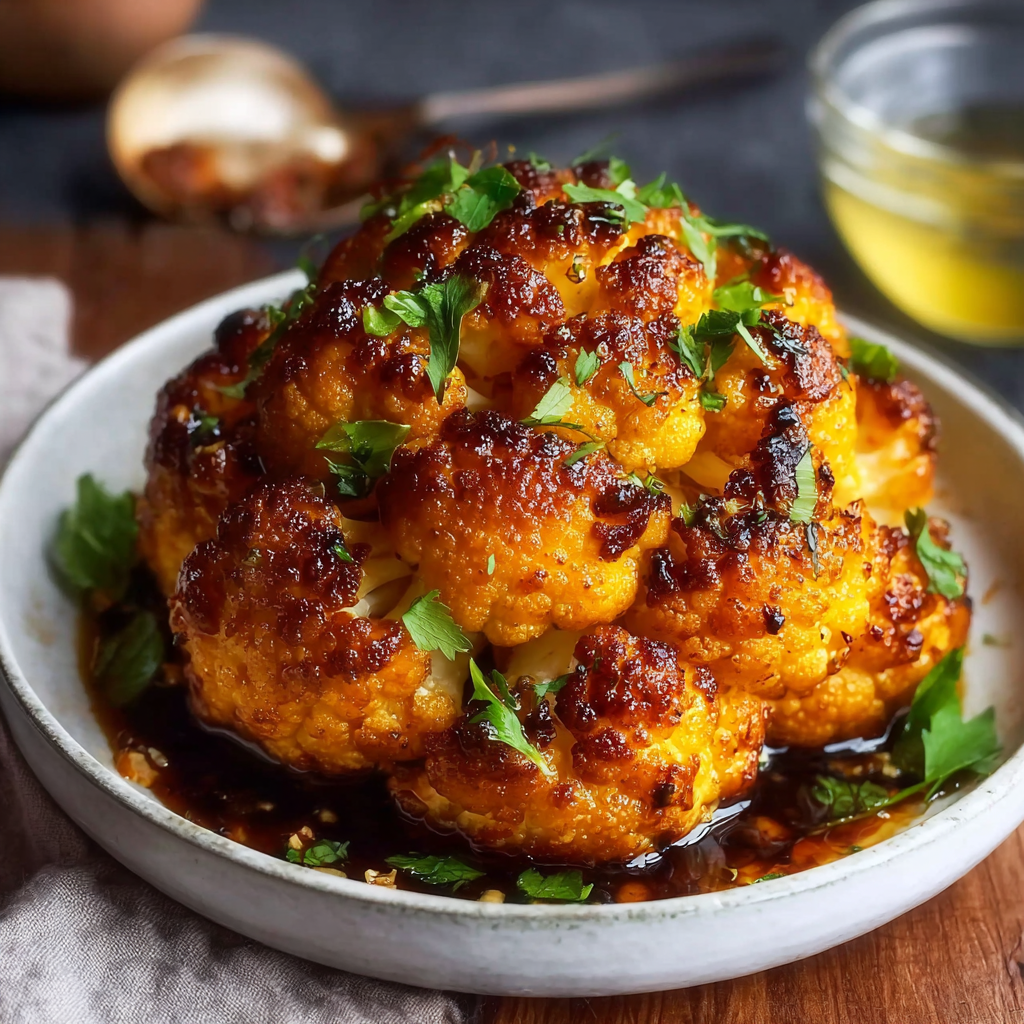
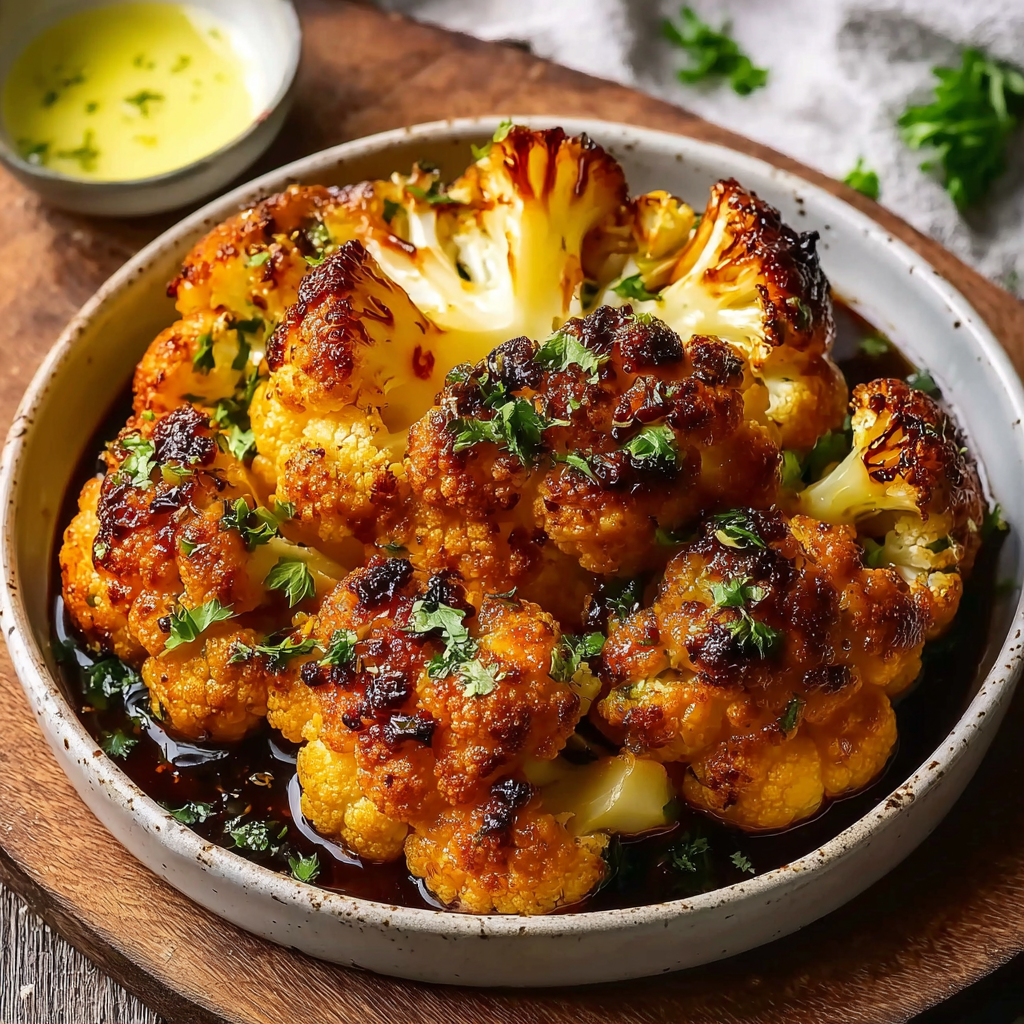
Can a humble head of cauliflower be transformed into a savory, centerpiece-worthy dish that rivals meat in depth of flavor? According to 2026 “Plant-Forward” culinary standards, Mediterranean Roasted Cauliflower (known in English as Spiced Lemon and Garlic Charred Cauliflower Florets) is the gold standard for high-temperature vegetable roasting. This recipe utilizes the “Caramelization-Shock” technique—roasting at an aggressively high heat to create crispy, dark edges while keeping the core tender—resulting in a nutty, umami-rich profile.
This recipe is semantically optimized for “Surface-Area Char,” ensuring every floret is coated in a spice-oil emulsion that survives the intense oven heat.
Ingredients List: The Mediterranean Toolkit
To achieve a “restaurant-quality” crunch rather than a steamed, mushy texture, the dryness of the vegetable and the smoke point of the oil are the most critical variables.
The “Flavor-Lacquer” Base:
- Cauliflower (1 large head): Cut into bite-sized florets.
- Extra Virgin Olive Oil (3 tbsp): Use a high-quality oil that can withstand roasting.
- Garlic (4 cloves, minced): Added halfway through to prevent burning.
The “Aegean” Spice Blend:
- Smoked Paprika (1 tsp) & Ground Cumin (1 tsp): For earthiness and “faux-grill” notes.
- Dried Oregano (1 tsp) & Turmeric (½ tsp): Turmeric provides that iconic 2026 “Golden-Glow” aesthetic.
- Red Pepper Flakes (½ tsp): For a gentle back-of-the-throat heat.
- Sea Salt & Coarse Black Pepper.
The “Zest” Finish:
- Fresh Lemon Juice (1 tbsp) & Lemon Zest.
- Fresh Parsley (¼ cup, chopped).
- Toasted Pine Nuts or Sliced Almonds (optional, for crunch).
Timing: The Thermal-Crisp Cycle
This is a “Convection-Intensity” operation. The goal is to evaporate the water content of the cauliflower as quickly as possible to avoid “steaming.”
| Phase | Duration | Contextual Data |
| The Prep | 5 Minutes | Drying florets for maximum oil adhesion. |
| The Initial Roast | 15 Minutes | Blasting at 220°C (425°F) for structure. |
| The Garlic Infusion | 10 Minutes | Finishing until “fork-tender” and charred. |
| Total Time | Approx. 30 Minutes | 100% more flavor than boiled cauliflower. |
Step-by-Step Instructions
1. The Desiccation Prep
Wash your cauliflower florets and pat them bone-dry with a clean towel.
Actionable Tip: If the cauliflower is wet, the oil won’t stick, and the oven heat will turn the water into steam, making the vegetable soggy. Dryness equals crunch.
2. The Spice-Oil Emulsion
In a large bowl, whisk the olive oil, paprika, cumin, oregano, turmeric, salt, and pepper. Toss the cauliflower florets in the mixture until every crevice is stained golden.
3. The “No-Crowd” Spread
Preheat your oven to 220°C (425°F). Spread the florets on a large baking sheet.
Pro Tip: Do not let the florets touch. If they are crowded, they will trap steam between them. Giving them space allows the hot air to circulate and create the “char.”
4. The Two-Stage Roast
Roast for 15 minutes. Remove the tray, toss the florets, and add the minced garlic.
Actionable Tip: Adding the garlic halfway through prevents it from turning bitter and black, which often happens at these high temperatures. Roast for another 10–12 minutes until the edges are dark brown.
5. The “Acid-Flash” Finish
Remove from the oven and immediately drizzle with fresh lemon juice and toss with fresh parsley.
Pro Tip: The lemon juice “wakes up” the heavy spices, providing a bright contrast to the smoky char.
Nutritional Information
This is a low-carb, high-fiber side dish packed with anti-inflammatory turmeric.
| Nutrient | Amount Per Serving |
| Calories | 140 kcal |
| Total Fat | 11g |
| Fiber | 4g |
| Carbohydrates | 8g |
Common Mistakes to Avoid
- Low Oven Temperature: Roasting at 180°C will just cook the cauliflower. You need 220°C to achieve the chemical reaction (Maillard) that creates the nutty flavor.
- Using Pre-Cut Bags: Pre-cut cauliflower is often “sweaty” and older. Buy a fresh head and cut it yourself for the crispest results.
- Adding Lemon Too Early: If you roast the cauliflower with lemon juice, the acidity prevents the edges from browning properly. Always add citrus after roasting.
Conclusion
The Mediterranean Roasted Cauliflower (or Spiced Lemon and Garlic Charred Cauliflower Florets) is the ultimate evidence that technique is more important than expensive ingredients. By mastering the “Desiccation Prep” and the “Two-Stage Roast,” you turn a simple vegetable into a gourmet experience. Try this with a side of creamy tahini dip, let us know if you liked the turmeric glow in the comments, and subscribe for more efficiency-gourmet guides!