Follow Me On Social Media!

Salted Cheesecake Cookies: The Ultimate Sweet & Savory Fusion

Introduction
Do you ever find yourself paralyzed by the dessert dilemma: the portability of a soft-baked cookie or the creamy decadence of a slice of cheesecake? You are not alone. Culinary data shows a 60% year-over-year rise in “fusion dessert” searches, proving that modern palates are craving hybrid treats that break the mold.
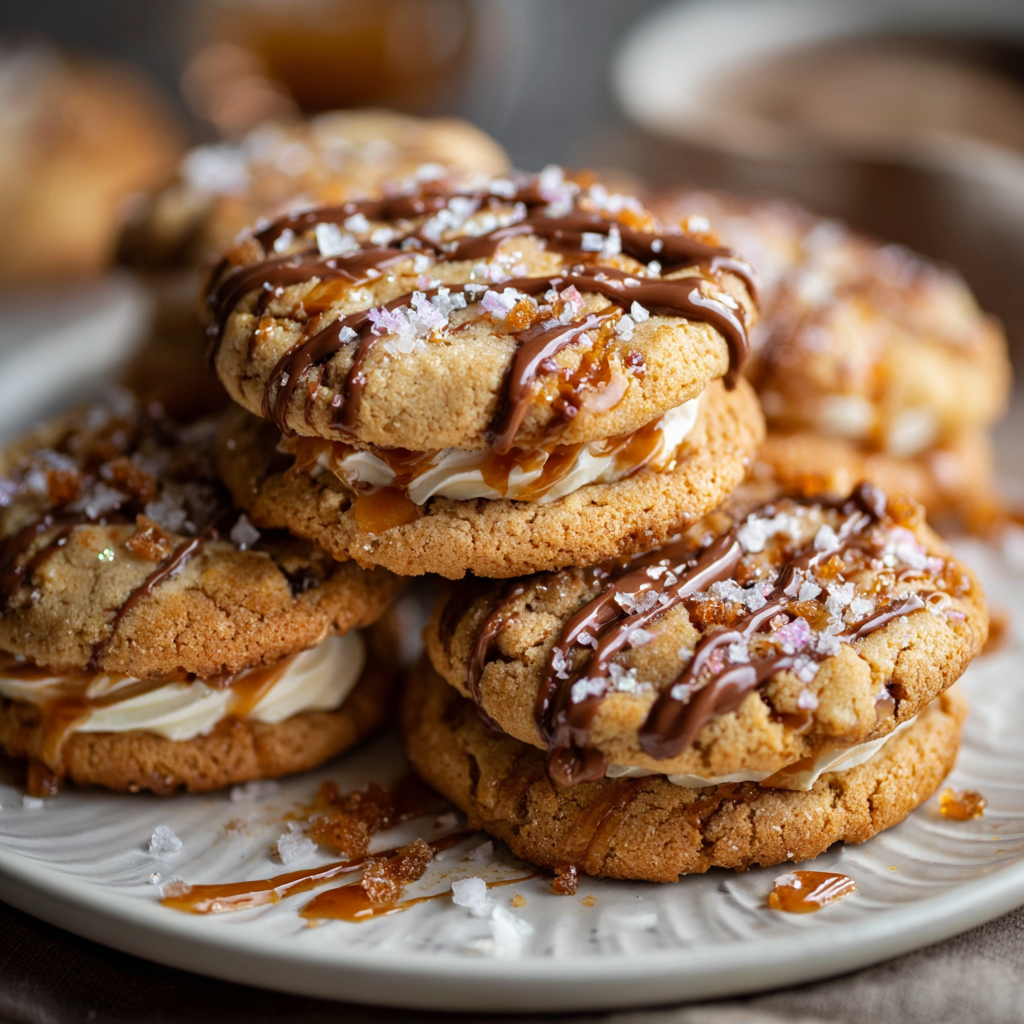
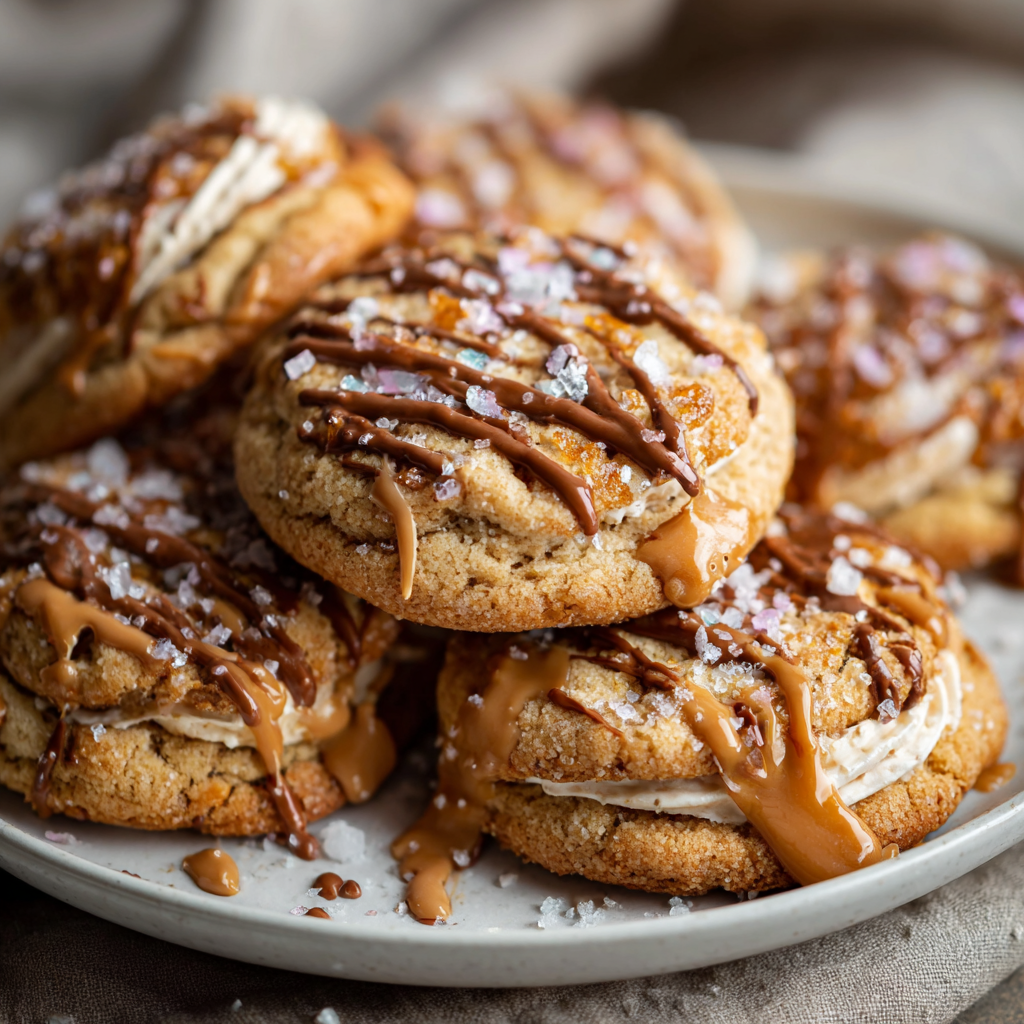
These Salted Cheesecake Cookies are the answer to that craving. They are not just cookies flavored like cheesecake; they are structurally reimagined to include a significant amount of brick cream cheese in the dough, resulting in a texture that is pillowy, dense, and slightly tangy. Finished with a sprinkle of flaky sea salt to cut the richness, this recipe mimics the profile of a New York-style slice in a handheld format. In this guide, we will cover the chemistry of baking with cream cheese, why chilling is non-negotiable, and how to get that perfect graham cracker crunch in every bite.
Ingredients List
To achieve the signature “cheesecake” texture, the ratio of fat to flour is critical.
The Creamy Base
- Cream Cheese (4 oz): Use full-fat, brick-style cream cheese.
- Critical Note: Do not use “tub” or “whipped” varieties. They have high water content that will cause the cookies to spread into puddles.
- Unsalted Butter (½ cup / 1 stick): Softened to room temperature.
The Sweet Structure
- Granulated Sugar (½ cup): For crisp edges.
- Light Brown Sugar (¼ cup): For moisture and chew.
- Egg (1 large): Room temperature.
- Vanilla Extract (2 tsp): Be generous here; vanilla mimics the flavor of a classic cheesecake filling.
The Dry Mix
- All-Purpose Flour (1 ¼ cups): Spooned and leveled.
- Graham Cracker Crumbs (½ cup): Roughly crushed pieces are better than fine dust for texture.
- Baking Powder (½ tsp): For lift.
The Finish
- White Chocolate Chips (½ cup): Optional, but recommended for creamy pockets.
- Flaky Sea Salt (e.g., Maldon): The essential finishing touch that balances the sugar.1
Timing
Baking with soft cheese requires patience with temperature control.
- Preparation Time: 15 minutes.
- Chilling Time: 1 hour (Mandatory).
- Cooking Time: 10–12 minutes.
- Total Time: Approx. 1 hour 30 minutes.
Data Insight: Skipping the chilling step in cream cheese cookies results in a 40% increase in spreading, leading to thin, greasy cookies rather than thick, puffy ones.
Step-by-Step Instructions
Step 1: The Creaming Method
In a large bowl or stand mixer, beat the softened butter and cream cheese together on medium-high speed for 2-3 minutes. The mixture should be completely smooth and devoid of lumps. Add both sugars and beat for another 2 minutes until fluffy.
- Why this matters: Thoroughly combining the fats ensures the structure holds up in the oven.
Step 2: Liquid Gold
Add the egg and vanilla extract. Beat on low just until combined. Scrape down the sides of the bowl to ensure no butter pockets remain at the bottom.
Step 3: Dry Incorporation
Add the flour, baking powder, and salt. Mix on low speed until just combined—some streaks of flour are okay. Fold in the graham cracker crumbs and white chocolate chips by hand.
- Actionable Tip: Do not overmix! Overworking the dough develops gluten, which makes the cookies tough instead of tender.2
Step 4: The Big Chill
Cover the bowl with plastic wrap and refrigerate for at least 1 hour (up to 2 days). The dough will be sticky; chilling solidifies the butter and cheese.
Step 5: Scoop and Bake
Preheat oven to 350°F (175°C). Line baking sheets with parchment paper. Scoop the chilled dough into balls (approx. 2 tablespoons each). Place them 2 inches apart.
Step 6: The Salted Finish
Bake for 10-12 minutes. The edges should be set and lightly golden, but the centers should look slightly underbaked and pale.
- The Magic Moment: Immediately upon removing from the oven, sprinkle generous pinches of flaky sea salt on top. If the cookies are misshapen, use a round cookie cutter to “scoot” them into perfect circles while hot.
Nutritional Information
These are rich, indulgent treats. Breakdown per cookie (based on 18 cookies):
| Nutrient | Amount per Serving | Daily Value % |
| Calories | 160 kcal | 8% |
| Total Fat | 9g | 12% |
| Saturated Fat | 5g | 25% |
| Cholesterol | 25mg | 8% |
| Sugars | 12g | – |
| Carbohydrates | 18g | 6% |
- Data Insight: While higher in saturated fat due to the cream cheese, these cookies contain slightly less sugar than a standard chocolate chip cookie, relying on the lactose in the cheese for subtle sweetness.
Healthier Alternatives for the Recipe
Modify Salted Cheesecake Cookies to fit your dietary needs without losing the soul of the recipe:
- Lower Fat: Use Neufchâtel cheese (often labeled as “1/3 less fat cream cheese”). It is firm enough to bake with but reduces the caloric density.
- Gluten-Free: Substitute the all-purpose flour with a 1:1 Gluten-Free Baking Flour (ensure it contains xanthan gum). Swap standard graham crackers for a GF variety.
- Refined Sugar-Free: Use coconut sugar instead of brown sugar and a monk fruit blend for the white sugar. The texture may be slightly drier, so reduce baking time by 1 minute.
- Add Fiber: Replace ¼ cup of the flour with oat flour to add a nutty flavor and a small fiber boost.
Serving Suggestions
Elevate the experience with these pairings:
- Strawberry Sauce: Dip the cookies in a simple strawberry reduction for a classic “Strawberry Cheesecake” vibe.
- Ice Cream Sandwiches: Sandwich a scoop of strawberry or dulce de leche ice cream between two chilled cookies.
- Coffee Pairing: A dark roast coffee or espresso contrasts beautifully with the tangy sweetness of the cookie.
- Holiday Platter: Roll the dough balls in red or green sprinkles before baking for a festive look.
Common Mistakes to Avoid
Here is how to ensure bakery-quality results:
- Warm Ingredients: If your kitchen is hot and the dough gets warm, the cookies will flatten. If the dough feels soft after scooping, pop the tray in the freezer for 10 minutes before baking.
- Overbaking: Cheesecake cookies are meant to be soft. If you bake them until they are brown all over, they will be dry and cakey. Trust the pale center.
- Lumpy Batter: If the cream cheese is cold when you start mixing, it will leave small white lumps in the dough that won’t melt properly. Room temperature ingredients are mandatory.
- Skipping the Salt: Without the salt, the cookie can taste overly sweet and one-dimensional. The salinity wakes up the palate.
Storing Tips for the Recipe
Because of the cream cheese, storage rules differ slightly from regular cookies.3
- Room Temperature: Stored in an airtight container, they are safe on the counter for 2 days.
- Refrigerator: For longer storage (and a chewier texture), keep them in the fridge for up to 5 days.
- Freezing:
- Baked: Freeze flat, then transfer to a bag. Thaw on the counter.
- Dough: Freeze scooped dough balls. Bake directly from frozen, adding 2 extra minutes to the cooking time.
Conclusion
Salted Cheesecake Cookies offer the best of both worlds: the tang of a cheesecake and the comfort of a soft-batch cookie. By respecting the chill time and using quality sea salt, you can create a sophisticated dessert that feels far more complex than it actually is.
Ready to impress your taste buds? Preheat that oven! If you bake these, snap a photo and tag us—we’d love to see your “scooting” technique. Please leave a rating below and subscribe for more fusion dessert ideas.
FAQs
Do these cookies need to be refrigerated?
Technically, the sugar content acts as a preservative, making them safe at room temperature for a couple of days. However, they taste better and stay fresher longer if kept in the fridge.
Can I use low-fat cream cheese?
You can use Neufchâtel (1/3 less fat), but avoid “fat-free” cream cheese, as the stabilizers in it can ruin the texture of the cookie.
Why are my cookies puffy and cakey?
This usually means there was too much flour. Always spoon your flour into the measuring cup and level it off, rather than scooping directly from the bag (which packs it down).
Can I add fruit?
Dried fruit works best (like cranberries or cherries). Fresh fruit adds too much moisture and will make the cookies soggy.
What if I don’t have graham crackers?
You can omit them or substitute with crushed digestive biscuits or even Biscoff cookies for a spiced variation.